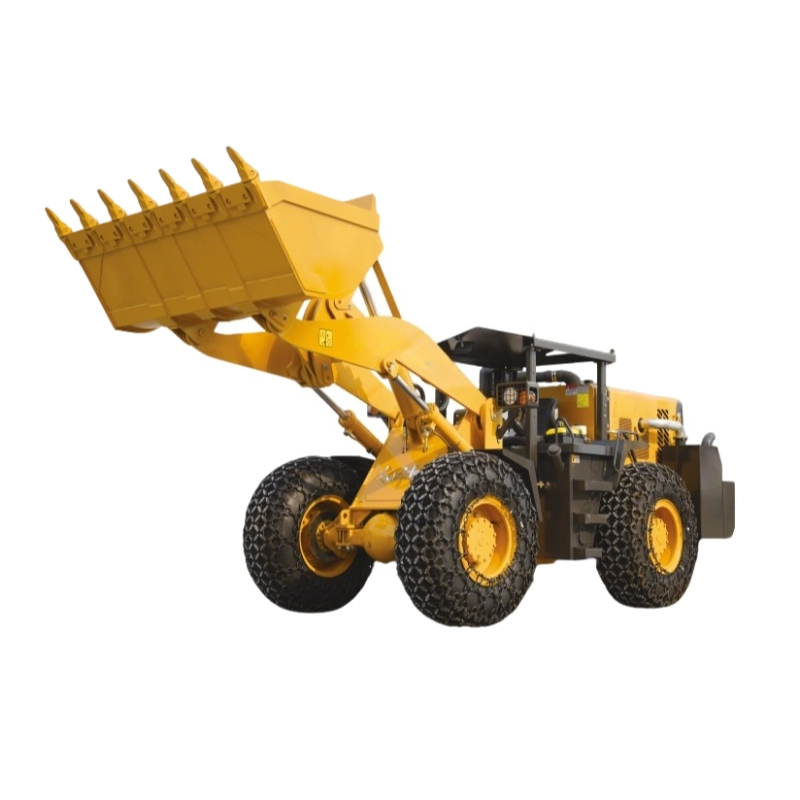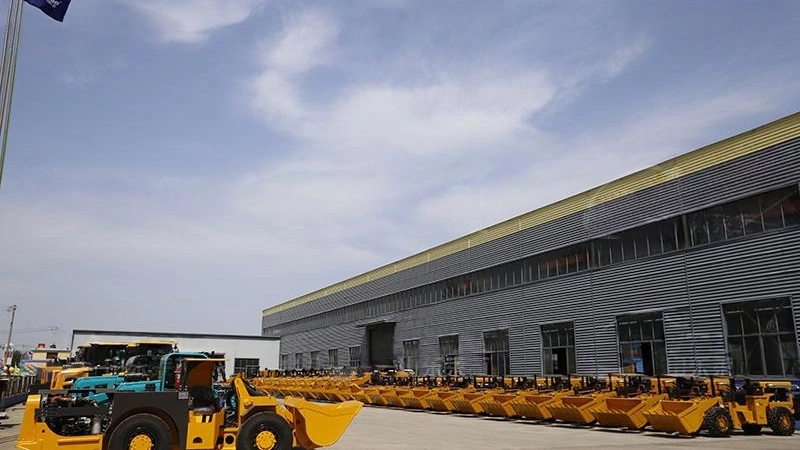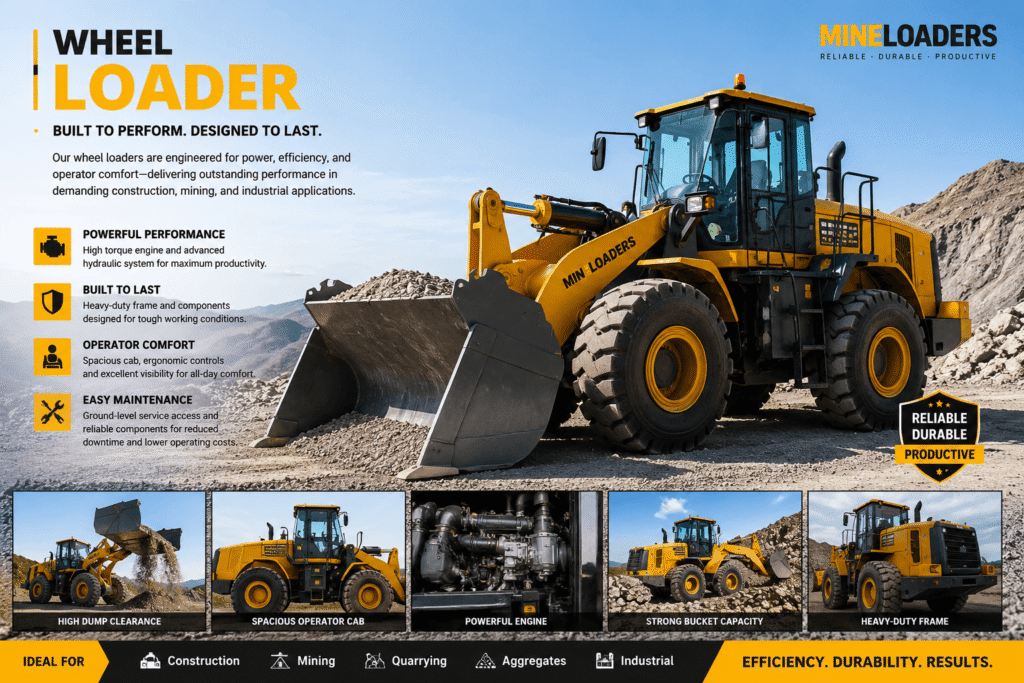
If you are looking for a wheel loader for sale, start by matching the machine to the work it will actually perform. Material type, duty cycle, site conditions, attachments, and after-sales support can all affect the right configuration.
This guide covers the main points to check before requesting a quotation or placing an order, helping buyers compare wheel loaders based on practical requirements rather than price or headline specifications alone.
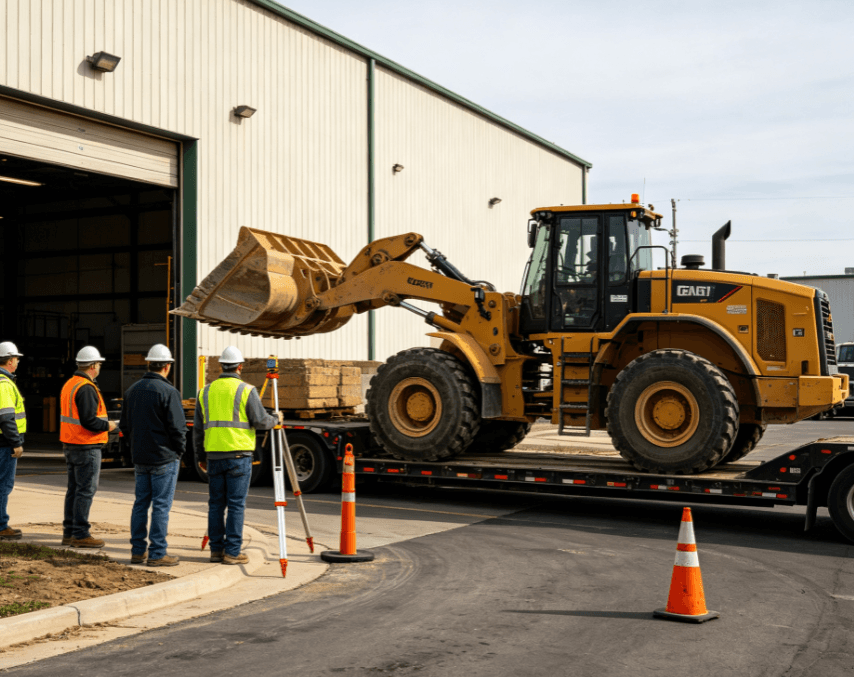
Wheel Loader for Sale: Key Checks Before Ordering
Before buying, focus on three areas: application fit, operating cost, and site requirements. A machine that looks suitable on paper may not perform well if its capacity, dimensions, or configuration do not match the working environment.
1. Match the Machine to the Application and Duty Cycle
Start with the jobs the loader will perform most often, such as truck loading, stockpile management, aggregate handling, or general construction work. Then consider operating hours and workload.
Considerations
- Material type: Density and abrasiveness affect bucket and tyre selection.
- Load size: Match bucket capacity and rated payload to the material being handled.
- Cycle time: Consider loading height, travel distance, and required production rate.
- Site conditions: Ramps, uneven ground, stockpile height, and working space can affect machine selection.
- Operating hours: Heavy multi-shift use requires different durability and maintenance considerations than occasional use.
Avoid choosing a loader based only on bucket volume. The complete machine configuration should match the material, application, and expected workload.
2. Site and Transport Constraints
Check the site before selecting a machine. Gate widths, road access, overhead clearances, bridge limits, and turning areas can restrict the loader’s size and configuration.
For delivery, confirm the machine’s operating weight, transport dimensions, and trailer requirements with the supplier and transport contractor.
Ground Conditions and Stability
Rocky, muddy, soft, or uneven surfaces can affect tyre selection and machine performance. Provide suppliers with information about the main ground conditions and any seasonal changes before finalizing the configuration.
3. Powertrain and Emissions Requirements
Diesel wheel loaders remain common in construction and mining, while electric or hybrid models may be suitable for applications with the required charging infrastructure.
When comparing powertrains, consider:
- Fuel or electricity availability
- Local emissions requirements
- Expected operating hours
- Charging infrastructure
- Maintenance requirements
- Ventilation requirements for enclosed areas
For confined environments, diesel equipment may require additional ventilation and exposure controls. Site-specific safety and regulatory requirements should be confirmed before operation [1][2].
4. Attachments and Versatility
If the loader will handle different jobs, identify the required attachments before requesting a quotation.
Common options include:
- General-purpose buckets
- Heavy-duty or rock buckets
- Forks
- Grapples
- Snow attachments
Check the mounting system, hydraulic flow, lifting capacity, and quick-coupler compatibility. Confirming these details before purchase can help avoid costly modifications later.

Decision and Comparison Table
| Decision factor | What to document | Buyer question |
|---|---|---|
| Application | Material, load size, operating hours | Can the loader handle the expected workload? |
| Site constraints | Access, clearance, ground conditions | Can it operate safely and efficiently on site? |
| Powertrain | Fuel, emissions, infrastructure | Is the powertrain suitable for the location? |
| Attachments | Attachment type and hydraulic requirements | Are the required attachments compatible? |
| Service & parts | Dealer coverage, parts, maintenance | Can the supplier support the machine after delivery? |
| Transport | Weight, dimensions, trailer requirements | Can the machine be delivered without additional restrictions? |
5. Service, Spare Parts and Vendor Support
Purchase price is only one part of the buying decision. Poor parts availability or slow technical support can create expensive downtime.
Before choosing a supplier, ask about:
- Maintenance intervals
- Spare parts availability
- Warranty coverage
- Local dealer or service support
- Technician availability
- Parts lead times
- Technical documentation
For international buyers, confirm how warranty claims, spare parts orders, and technical support will be handled after delivery.
6. Wheel Loader Price and Total Cost of Ownership
The price of a wheel loader for sale varies according to machine size, operating weight, engine power, bucket capacity, configuration, condition, attachments, and brand.
Instead of comparing purchase prices alone, consider:
- Fuel or energy consumption
- Scheduled maintenance
- Tyres and wear parts
- Spare parts
- Warranty
- Shipping and delivery
- Expected service life and resale value
When requesting quotations, ask suppliers to price the same basic configuration. This makes it easier to compare machines on a like-for-like basis.
7. New vs. Used Wheel Loaders
Both new and used machines can be suitable depending on budget and application.
| Factor | New | Used |
|---|---|---|
| Initial cost | Usually higher | Usually lower |
| Warranty | Typically available | Depends on seller |
| Condition | More predictable | Requires inspection |
| Configuration | More options | Limited to available machines |
| Maintenance history | Minimal or none | Should be verified |
For a used wheel loader, request operating hours, maintenance records, previous application details, inspection reports, and information about major component replacements.
8. What to Ask a Wheel Loader Supplier
Before comparing quotations, ask suppliers to provide the same core information.
Useful RFQ questions include:
- What are the operating weight and rated payload?
- What bucket capacities are available?
- What engine and emissions standard does the machine use?
- Which attachments are compatible?
- What warranty is included?
- What spare parts are available?
- What is the expected lead time?
- What technical documents are supplied?
- What after-sales support is available?
- What are the shipping dimensions and weight?
For export orders, also confirm shipping terms and documentation required by the destination market.
RFQ / Site-Confirmation Checklist
| Item to confirm | Buyer action |
|---|---|
| Operating environment | Provide material type, site conditions, and duty cycle |
| Access and transport | Provide road, gate, clearance, and trailer restrictions |
| Machine specification | Confirm weight, payload, bucket capacity, and dimensions |
| Attachments | List required attachments and hydraulic specifications |
| Service | Confirm warranty, parts availability, and technical support |
| Regulations | Identify applicable emissions, import, and safety requirements |
| Delivery | Confirm lead time, shipping terms, and required documents |
FAQs
How should I size the loader bucket?
Bucket size should be based on material density, target payload, truck or hopper dimensions, and required cycle time. Do not select a bucket based only on nominal volume.
What role does tyre selection play?
Tyres affect traction, fuel consumption, stability, and wear. Rocky, abrasive, muddy, and paved surfaces may require different tyre specifications.
Can I run a diesel wheel loader in a confined area?
Diesel equipment in enclosed or poorly ventilated areas can create additional exhaust exposure concerns. Confirm ventilation and applicable safety requirements before operation [1][2].
Should I buy a new or used wheel loader?
A used loader can reduce the initial purchase cost, but its operating history and condition should be checked carefully. A new loader may offer warranty coverage and more configuration options.
What should an RFQ include?
Request machine dimensions, operating weight, rated capacity, bucket specifications, attachments, maintenance requirements, warranty terms, lead time, and spare parts information.
Scope Note
Final specifications, dimensions, capacity, price, lead time, and site suitability should be confirmed through a formal RFQ and supplier or OEM review. This guide is intended to help buyers prepare a more complete enquiry and compare suitable options.
If you are comparing equipment for construction or mining applications, review the supplier’s construction and mining equipment range for available equipment and contact the supplier for application-specific specifications, pricing, and delivery information.