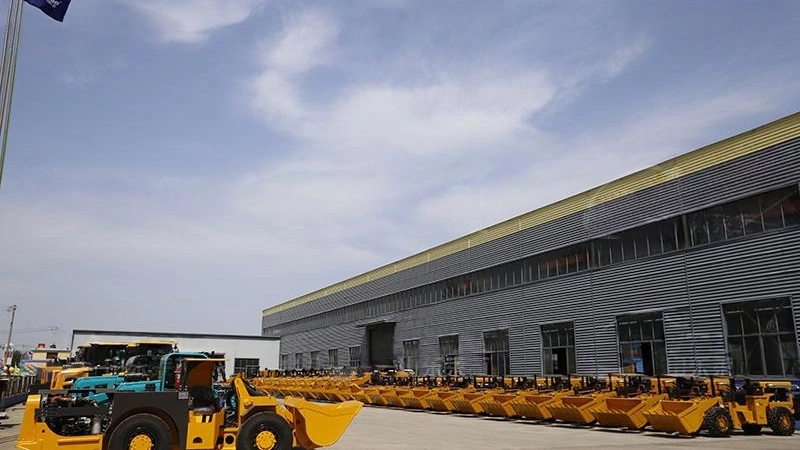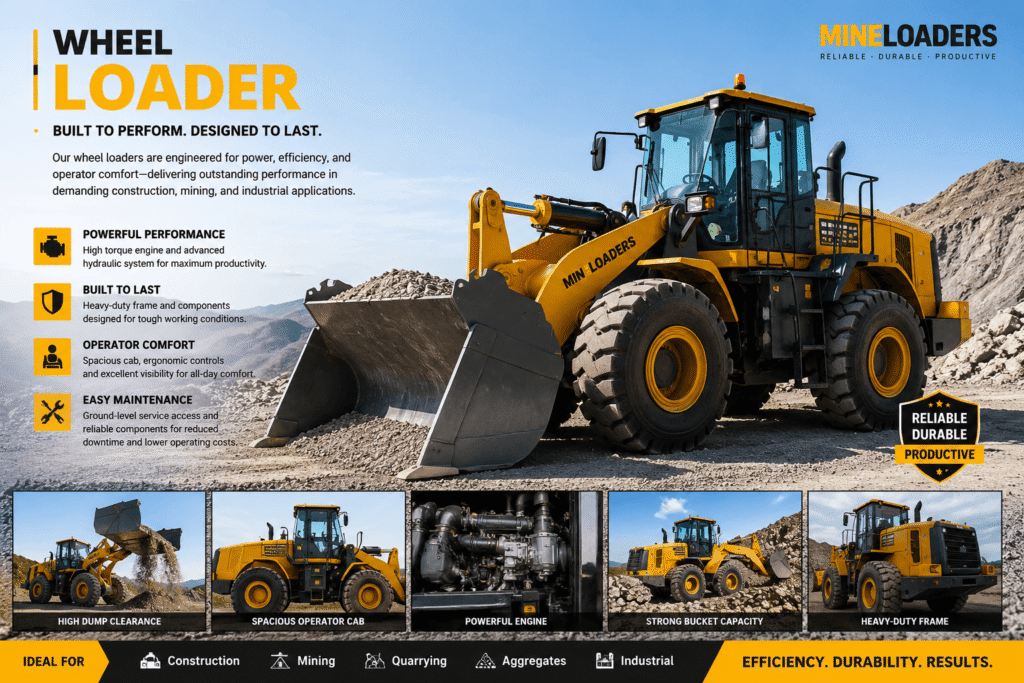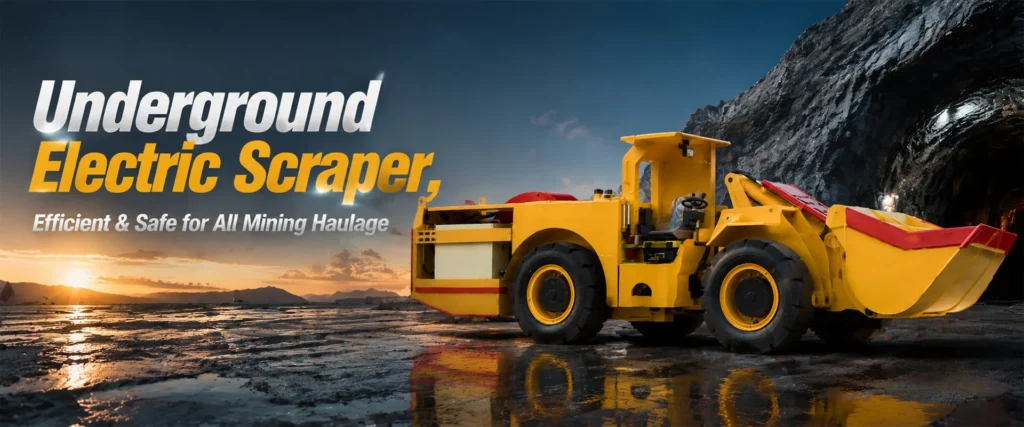
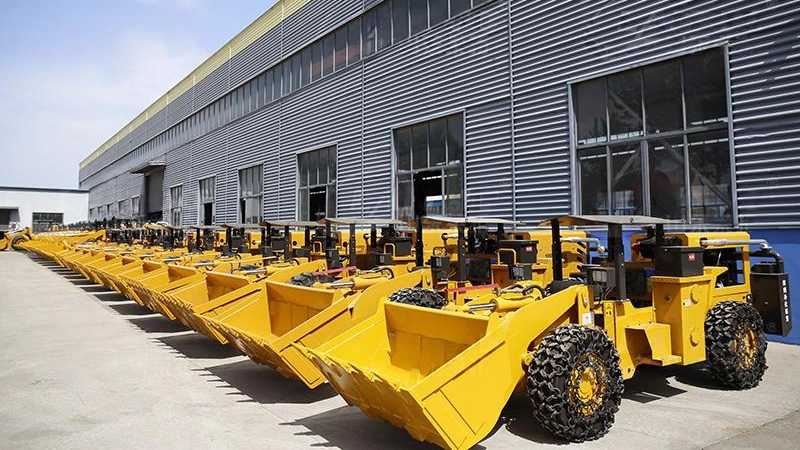
A wheel loader is a heavy equipment machine used primarily to move, lift, and load materials such as soil, gravel, sand, or debris. Unlike excavators that use a digging arm, a wheel loader utilizes a front-mounted bucket connected to a hydraulic lifting structure. It is a four-wheeled vehicle designed for high-volume material handling and mobility across varied terrains.
At Mineloaders, we categorize these machines as the “workhorses” of the job site. They bridge the gap between static lifting and high-speed transport. Whether you are clearing a construction site or managing a mining operation, understanding how these machines function is essential for operational efficiency.
What Are the Core Components of a Wheel Loader?
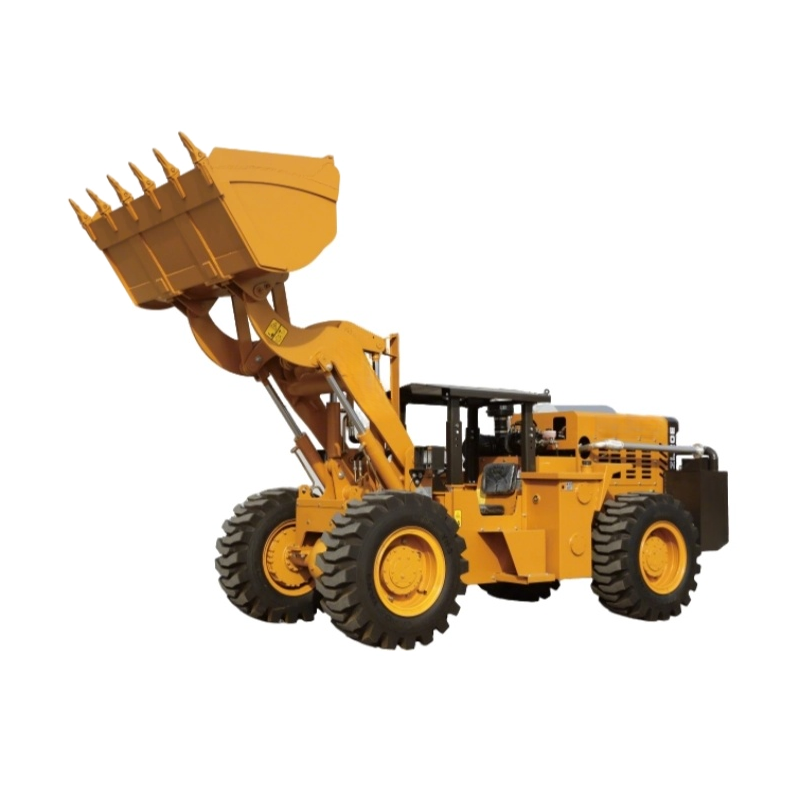
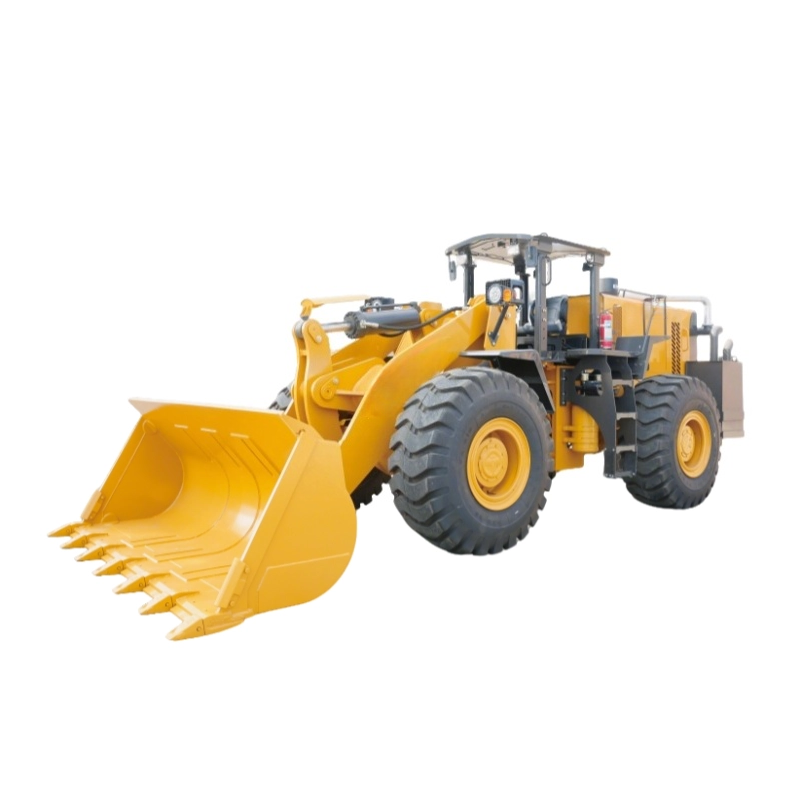
To understand a wheel loader, you must look at its engineering architecture. Most modern loaders utilize an articulated steering system. This means there is a hinge between the front and rear axles, allowing the machine to pivot.
The primary systems include:
- The Engine and Drivetrain: Usually a high-torque diesel engine that powers both the wheels and the hydraulic pumps.
- The Lift Arm (Boom): A set of heavy-duty steel arms that raise and lower the bucket.
- The Hydraulic System: The “muscle” of the machine that provides the force required to break through compacted material.
- The Cab: The operator’s station, which in our designs, focuses on 360-degree visibility and ergonomic control layouts.
- The Attachment (Bucket): While the bucket is standard, it can be swapped for forks, grapples, or snow blades.
Our engineering team prioritizes the “breakout force.” This is the amount of upward pressure the bucket can apply. It determines how effectively the machine can scoop heavy or stubborn materials.
How Does a Wheel Loader Operate?
The operation of a wheel loader is defined by three main movements: traveling, scooping, and dumping. The operator drives the machine into a pile of material with the bucket lowered. Using the hydraulic lift cylinders, the operator tilts the bucket back to secure the load.
Stability is a critical factor during operation. As a manufacturer, we calculate the “static tipping load.” This represents the weight at which the rear wheels would lift off the ground while the loader is fully articulated.
- Approaching the Pile: The loader moves forward in a low gear to maximize torque.
- Crowding: The bucket is pushed into the material while simultaneously being tilted upward.
- Transporting: The load is carried at a low height to maintain a low center of gravity.
- Discharging: The arms raise the bucket over a truck or hopper, and the hydraulic cylinders tilt the bucket forward to dump.
Wheel Loader vs. Track Loader: Which Is Better?
Choosing between wheels and tracks is one of the first decisions a project manager must make. The choice depends entirely on the ground conditions and the required speed of the operation.
| Feature | Wheel Loader | Track Loader |
| Surface Suitability | Hard ground, asphalt, gravel | Soft soil, mud, steep slopes |
| Speed | High (up to 40 km/h) | Low (usually under 15 km/h) |
| Maneuverability | High (articulated steering) | Moderate (skid or pivot) |
| Maintenance Cost | Lower (tires are simpler) | Higher (undercarriage wear) |
| Ground Pressure | High (concentrated on tires) | Low (distributed across tracks) |
In our experience, wheel loaders are the superior choice for paved sites or long-distance material transfer. They do not damage finished surfaces like steel tracks do.
What Are the Primary Applications for Wheel Loaders?
Wheel loaders are versatile because they can handle diverse bulk materials. Their utility extends far beyond simple construction.
In the construction sector, they are used for backfilling trenches and moving heavy pipes. In agricultural settings, they handle large volumes of feed or manure. However, their most demanding role is in the mining and quarrying industry.
- Stockpiling: Moving material from a processing plant to a storage area.
- Truck Loading: Efficiently filling heavy dump trucks to keep transport cycles moving.
- Waste Management: Sorting and moving heavy refuse in recycling centers.
- Snow Removal: Using specialized large-capacity buckets to clear parking lots and roads.
At Mineloaders, we offer a diverse range of wheel loaders specifically built for these high-intensity environments. From compact models for tight urban spaces to heavy-duty loaders for industrial mining, the hydraulic performance remains our core focus.
Why Is Articulated Steering Important?
Most beginners ask why wheel loaders don’t steer like a standard car. Car-style steering (Ackermann steering) is less effective for heavy loads. Articulated steering allows the front and rear sections of the machine to move independently.
This design offers a much tighter turning radius. It also ensures that the front bucket follows the exact path of the tires. When you steer an articulated loader, the bucket moves laterally even if the machine is not moving forward. This is invaluable when trying to line up a dump with a truck hopper in confined spaces.
How to Determine the Correct Loader Size?
Selecting the wrong size can lead to fuel waste or structural failure. We recommend evaluating your needs based on the “bucket capacity” and “rated operating capacity” (ROC).
- Compact Loaders: Ideal for landscaping and small residential projects. They usually handle 1–2 tons.
- Medium Loaders: The industry standard for construction sites. These typically handle 3–7 tons of material.
- Large Loaders: Heavy-duty machines used in quarries and large-scale mining operations, often exceeding 10 tons of capacity.
We always advise our clients to look at the density of the material they are moving. Moving a cubic meter of feathers is very different from moving a cubic meter of wet granite. Always leave a safety margin to prevent overloading the hydraulic systems.
FAQ
Q1: What is the difference between a front loader and a wheel loader?
A1: These terms are often used interchangeably. Both refer to the same machine. Some regions prefer “front-end loader,” while the industry standard remains “wheel loader.”
Q2: Can a wheel loader be used for digging?
A2: While they can scrape and perform light excavation, they are not designed for deep digging. An excavator is better for digging below ground level, whereas a wheel loader is designed for material above the surface.
Q3: How often do wheel loader tires need to be replaced?
A3: This depends on the surface. On sharp rock in a mine, tires may last 2,000 hours. On smooth soil, they can last 5,000 hours or more. Proper inflation is key to longevity.
Q4: Is a license required to operate a wheel loader?
A4: Most jurisdictions require a heavy equipment operator certification rather than a standard driver’s license. Safety training regarding load stability and site awareness is mandatory in most commercial environments.
Reference Sources
- ISO 6165:2022 – Earth-moving machinery — Basic types — Identification and vocabulary
https://www.iso.org/standard/74730.html - Association of Equipment Manufacturers (AEM) – Safety Materials and Industry Safety Programs
https://www.aem.org/safety-product-leadership/safety-materials - OSHA 29 CFR 1926.602 – Material Handling and Earthmoving Equipment Safety Requirements
https://www.osha.gov/laws-regs/regulations/standardnumber/1926/1926.602 - SAE J1040 – Performance Criteria for Rollover Protective Structures (ROPS) for Construction, Earthmoving, Forestry, and Mining Machines
https://saemobilus.sae.org/standards/j1040_200305-performance-criteria-rollover-protective-structures-rops-construction-earthmoving-forestry-mining-machines