In the high-stakes environment of modern construction, material handling is the silent engine of the project timeline. Whether it is a massive infrastructure development or a confined urban renovation, the speed at which materials move dictates the pace of every subsequent trade. The wheel loader serves as the primary logistical link in this chain.
Wheel loader productivity is not merely about moving earth; it is a calculated measure of tons per hour, fuel efficiency, and the reduction of machine downtime. For project managers and fleet owners, understanding the technical nuances of these machines is the key to unlocking significant operational throughput.
The Mechanics of Momentum: How Wheel Loader Productivity Impacts Timelines
At its core, a wheel loader increases productivity by minimizing the time between the stockpile and the transport vessel. This efficiency is driven by three primary technical factors: breakout force, tipping load, and hydraulic cycle times.
Breakout force determines how effectively the bucket can penetrate a pile of compacted aggregate. A higher breakout force allows the operator to fill the bucket in a single pass without excessive tire spinning, which preserves both fuel and rubber. Once the bucket is full, the machine’s tipping load—the weight at which the rear wheels lift—defines the safe limit of material handling.
Cycle times—the duration it takes to lift, dump, and return the bucket to the digging position—are the ultimate metric. Modern loaders utilize load-sensing hydraulics that prioritize power where it is needed most, whether in the steering or the lift arms, ensuring that no energy is wasted during the transition phases of a movement.
Optimizing Throughput with Advanced Hydraulic Systems
The evolution of hydraulic technology has been a primary driver in wheel loader productivity. Older systems often suffered from “hydraulic lag,” where the machine’s lifting power would diminish when the operator attempted to steer simultaneously.
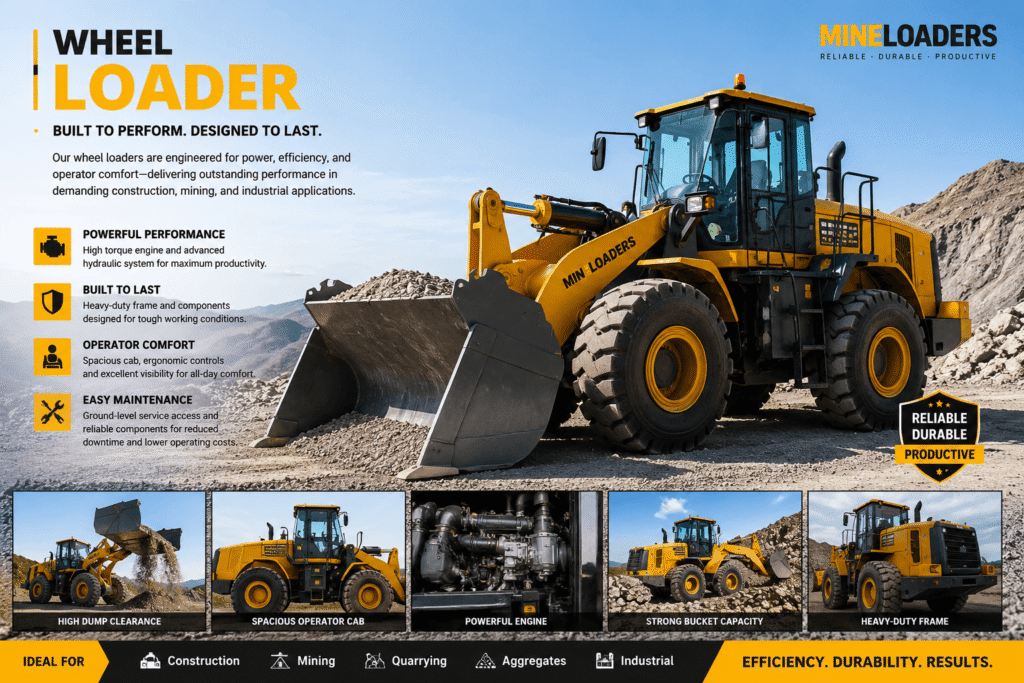
Today’s premium wheel loaders, including those engineered for high-intensity environments like the models found at Mini Loaders, feature closed-center hydraulic systems. These systems provide:
- Proportional Flow Control: This allows for simultaneous multi-functionality, meaning an operator can raise the lift arms while tilting the bucket and maneuvering the machine without losing speed.
- Reduced Heat Generation: By only pumping fluid when needed, the system remains cool, extending the life of seals and components, thereby reducing the productivity-killing impact of unplanned maintenance.
- Enhanced Precision: Fine-tuned controls allow for “inching,” which is critical when loading high-sided trucks or navigating tight debris zones.
Strategic Sizing: Matching Machine Capacity to Site Requirements
Productivity is often lost when a machine is either underpowered for the task or too large for the environment. A massive 30-ton loader is highly productive in a quarry but becomes a bottleneck in a residential development due to its wide turning radius and high fuel consumption during idling.
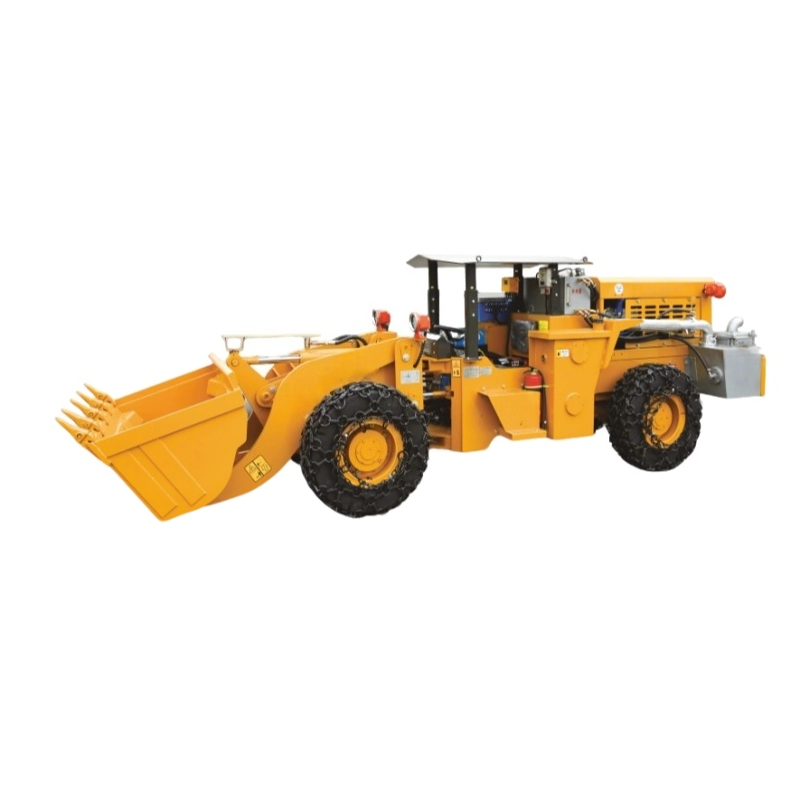
For many contractors, the move toward “right-sizing” has led to the adoption of compact and mid-sized wheel loaders. These machines offer a balance of high maneuverability and surprising lift capacities.
| Feature | Impact on Productivity | Benefit for Site Management |
| Quick Coupler Systems | Switches attachments in under 30 seconds. | Eliminates the need for multiple specialized machines. |
| Telematics Integration | Monitors idle time and fuel burn. | Identifies operator habits that slow down cycle times. |
| High-Flow Hydraulics | Powers heavy-duty attachments like snow blowers. | Extends the machine’s utility across all four seasons. |
| Auto-Leveling Buckets | Maintains bucket angle during lift. | Reduces material spillage and rework. |
Attachment Versatility: The Productivity Multiplier
A wheel loader’s utility is no longer limited to the standard bucket. The integration of the hydraulic quick-coupler has transformed these machines into multi-tool carriers. When a single machine can switch from a pallet fork to a grapple or a sweeper in seconds, the overall site efficiency increases exponentially.
In urban construction, where space is a premium, the ability to use one machine for loading aggregate, moving palletized bricks, and cleaning the road surface at the end of the shift reduces the total number of engines running on-site. This consolidation of tasks directly impacts the “productive hours” per gallon of fuel consumed.
The Role of Operator Ergonomics and Telematics
Expert engineers understand that a machine is only as productive as its operator. Fatigue is a significant factor in declining productivity during the final hours of a shift. Modern wheel loaders combat this through:
- Low-Effort Joysticks: Replacing heavy levers with electronic-over-hydraulic (EOH) controls reduces physical strain.
- Increased Visibility: Large glass surfaces and camera systems allow operators to work faster with higher confidence, knowing their path is clear.
- Ride Control Systems: This technology acts as a shock absorber for the lift arms, preventing the machine from “loping” when traveling over rough terrain with a full load, which keeps more material in the bucket and less on the ground.
Furthermore, telematics systems now allow fleet managers to track “tons moved per gallon.” By analyzing this data, project managers can identify bottlenecks—such as a loader waiting too long for a truck—and adjust the site layout to ensure the machine stays in motion.
Engineering for Longevity: Reducing Maintenance Downtime
No machine is productive when it is in the shop. High-level wheel loader designs focus on ground-level serviceability. When daily checks (oil, coolant, hydraulic fluid) can be performed in under five minutes from the ground, they are more likely to be done correctly.
Strategic engineering features such as reversible cooling fans—which blow out dust and debris from the radiator—prevent overheating in high-debris environments like demolition or waste handling. These “smart” features ensure that the wheel loader productivity remains consistent even in the harshest conditions.
For organizations looking to optimize their fleet, selecting a loader that matches the specific density of the material being moved is essential. Whether it is the lightweight agility required for landscaping or the rugged breakout force needed for site preparation, the right wheel loader is the foundation of a profitable construction project.
FAQ
How do cycle times specifically affect wheel loader productivity?
Cycle times are the heartbeat of the operation. If a loader can shave just 3 seconds off a 30-second cycle (load, travel, dump, return), it increases total throughput by 10% over the course of a day. Over a week, this adds up to hours of gained production.
What is the difference between “Standard” and “High-Lift” configurations?
Standard lift is optimized for breakout force and stability, ideal for moving heavy piles. High-lift configurations extend the reach of the arms, allowing the loader to fill high-sided trucks or hoppers that a standard machine could not reach, which is critical for specific material handling workflows.
Does tire selection impact productivity?
Yes. For example, using L3 rock tires on a muddy site will lead to excessive slippage and lost power. Matching the tire tread to the ground condition ensures maximum traction, which translates directly into faster pile penetration and higher bucket fill factors.
Why is “Static Tipping Load” a crucial technical spec?
Static tipping load tells you the maximum weight the loader can handle before becoming unstable. For maximum productivity, operators usually aim for a “rated operating capacity” of 50% of the full-turn tipping load to ensure speed can be maintained safely without the risk of tipping.
Reference Sources
- Association of Equipment Manufacturers (AEM): Trends in Earthmoving Equipment Efficiency
- ISO 14397-1:2007: Earth-moving machinery — Loaders and backhoe loaders — Part 1: Calculation of rated operating capacity
- SAE International: Technical papers on Hydraulic System Optimization in Heavy Machinery