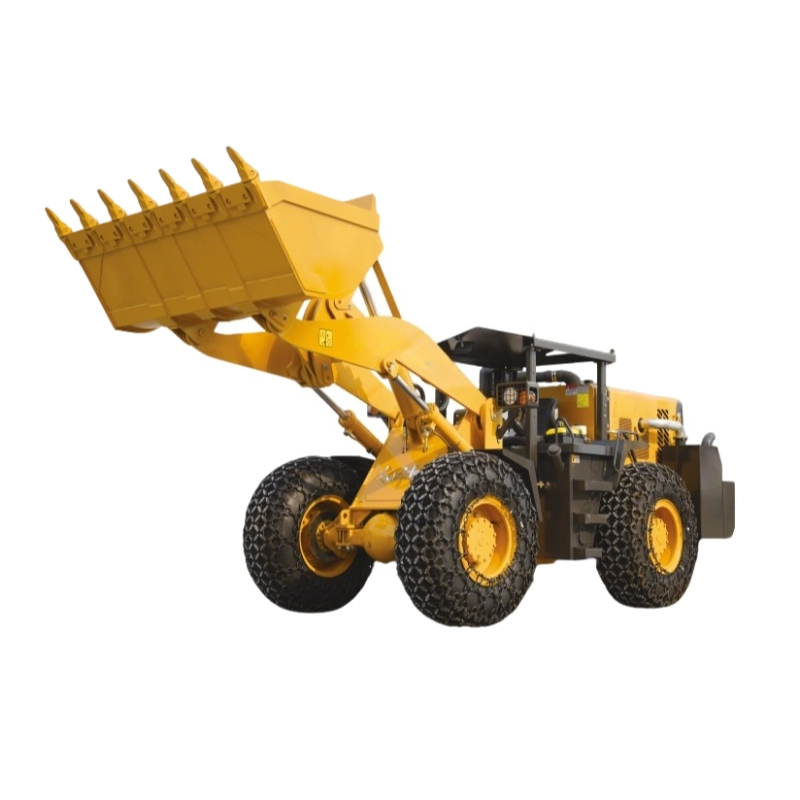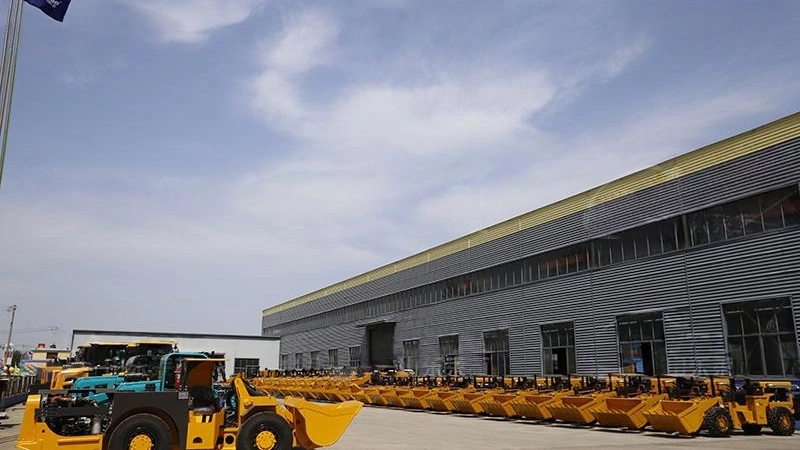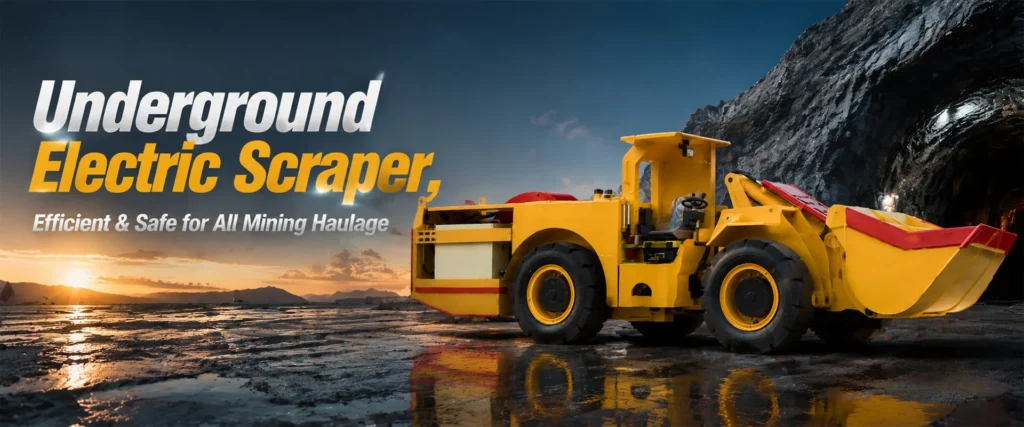
Wheel loaders serve as the primary movers in construction, mining, and agricultural sectors. These versatile machines are engineered to scoop, lift, and transport bulk materials across challenging terrains. Understanding the specific configurations of this equipment is essential for project managers and engineers.
The performance of a wheel loader depends on its structural design and hydraulic capabilities. These machines utilize a front-mounted bucket connected to a lift arm assembly. By changing the chassis size or the power source, manufacturers adapt the machine for different operational environments.
As a specialized manufacturer in this sector, we at Mineloaders focus on balancing structural integrity with hydraulic efficiency. Whether you are moving aggregate in a quarry or handling logistics in a warehouse, the machine type dictates your cycle times. Selecting the wrong class of loader can lead to excessive fuel consumption or structural failure.
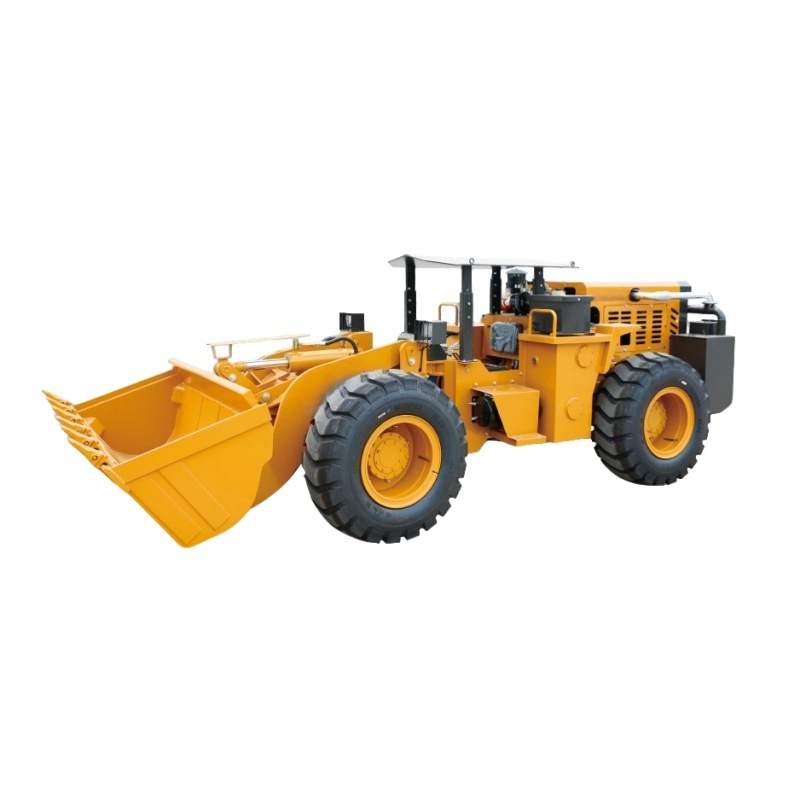
What Are the Main Size Classifications for Wheel Loaders?
Wheel loaders are primarily categorized by their horsepower, bucket capacity, and operating weight. These metrics determine the machine’s “breakout force,” which is the power required to lift a load from a pile.
Compact wheel loaders are designed for maneuverability in confined spaces. These machines typically offer under 80 horsepower and are ideal for landscaping or small-scale construction. Their light footprint prevents damage to finished surfaces like pavement or turf.
Medium wheel loaders represent the industry’s “workhorse” segment. They balance power and agility, often used in road construction and material yards. These machines handle high-volume lifting while remaining mobile enough for urban job sites.
Large wheel loaders are heavy-duty machines built for the most demanding environments. You will find these in large-scale mining operations and massive infrastructure projects. They feature reinforced frames and high-capacity hydraulic systems to handle massive tonnages.
| Loader Type | Operating Weight (Tons) | Typical Horsepower | Primary Application |
| Compact | 1 – 8 Tons | 20 – 80 hp | Landscaping, Small Sites |
| Medium | 10 – 25 Tons | 100 – 250 hp | Roadwork, Material Handling |
| Large | 30 – 100+ Tons | 300 – 1000+ hp | Mining, Heavy Extraction |
How Does Steering Design Influence Loader Utility?
The steering mechanism of a wheel loader defines its turning radius and stability. Most modern machines utilize one of three primary steering configurations.
Articulated steering is the most common design in the industry. The machine features a pivot point between the front and rear axles. This allows the front and back halves to move independently, providing a tight turning radius. This design is highly efficient for loading trucks in narrow aisles.
Rigid frame loaders, though less common today, offer a solid chassis. They rely on rear-wheel or all-wheel steering systems. These machines provide excellent stability on uneven slopes but require more space to maneuver.
Skid steer loaders represent a specialized branch of small loaders. These use differential steering, where wheels on one side lock or move in reverse to rotate the machine. They are incredibly agile but can cause significant surface wear during tight turns.
What Are the Advantages of Electric vs. Diesel Loaders?
The power source is becoming a critical factor in wheel loader classification. Traditional diesel engines offer high torque and long operational hours in remote areas. They remain the standard for heavy extraction where charging infrastructure is absent.
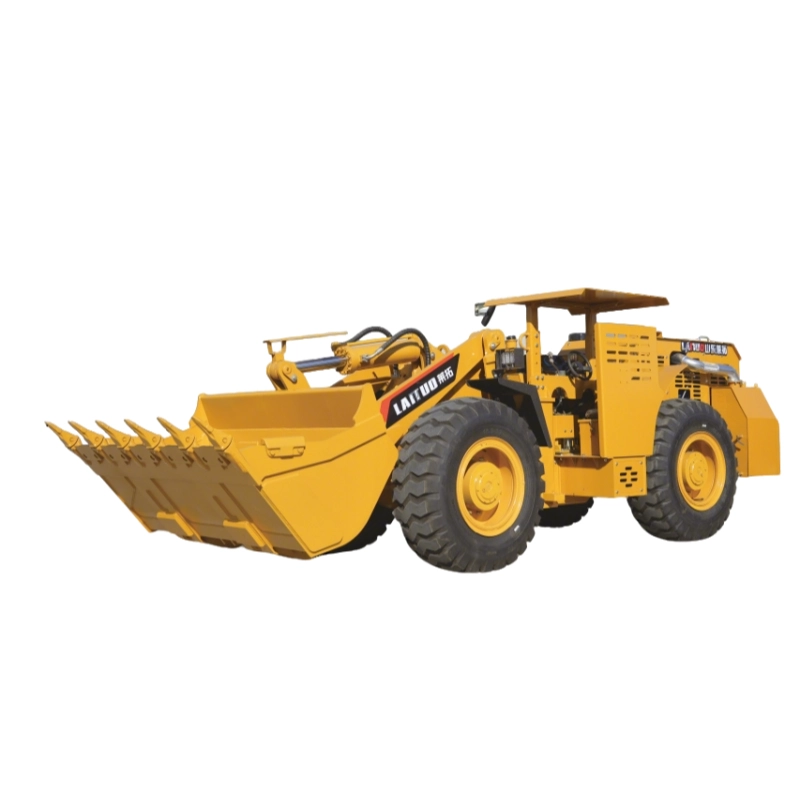
Electric wheel loaders are transforming indoor and urban operations. At Mineloaders, we have prioritized the development of electric systems to meet modern emissions standards. These machines eliminate exhaust fumes, making them perfect for tunnel work, underground mining, and food processing facilities.
- Noise Reduction: Electric motors operate significantly quieter than diesel counterparts.
- Lower Maintenance: Electric drivelines have fewer moving parts, reducing long-term repair costs.
- Instant Torque: Electric loaders provide immediate power to the wheels for faster acceleration.
- Sustainability: Using electric machines helps companies meet carbon reduction targets.
We integrate advanced battery management systems in our loaders to ensure they match the duty cycles of traditional equipment. This transition allows our clients to operate in noise-sensitive environments without sacrificing lifting capacity.
Why Do Specialized Loaders Exist for Mining and Forestry?
Standard wheel loaders may struggle in extreme environments like deep mines or timber yards. Specialized variations are engineered to withstand specific stressors like falling debris or corrosive materials.
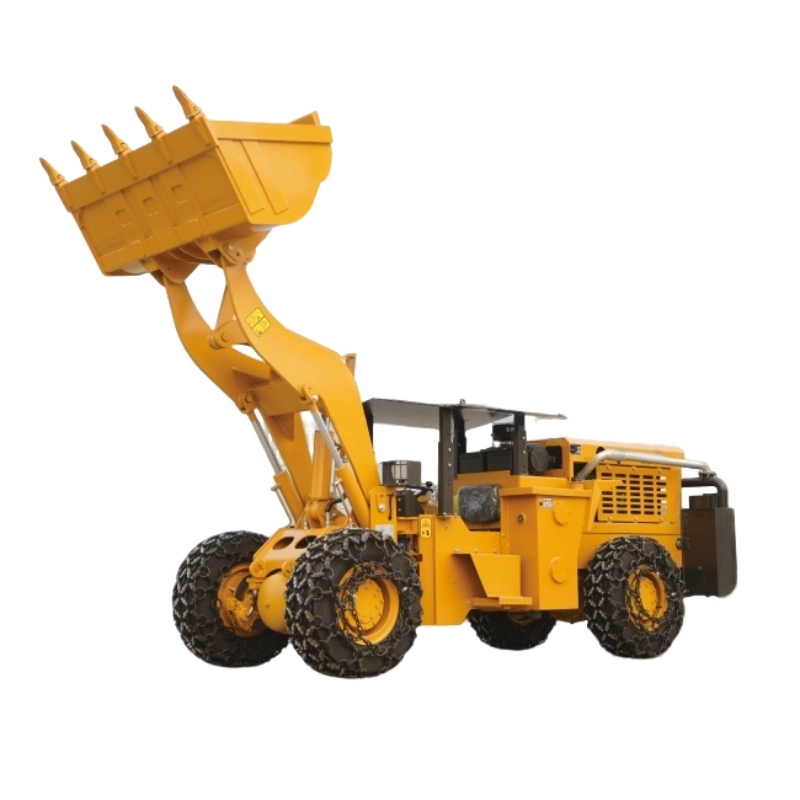
Mining loaders feature armored cabs and reinforced bucket edges. These machines are often “low-profile” to fit into narrow mine shafts. We design our mining-ready loaders with heavy-duty cooling systems to handle the high ambient temperatures found underground.
Log loaders are variations equipped with specialized grapples instead of standard buckets. These are essential for the forestry industry to sort and transport heavy timber. The hydraulic systems are tuned for precision to prevent damage to the wood.
Waste handling loaders are built with solid tires and enhanced air filtration. In landfill environments, standard pneumatic tires are easily punctured. These loaders also feature underside guarding to prevent debris from tangling in the drivetrain.
Selecting the Right Wheel Loader Configuration?
Choosing the right type of loader requires a detailed analysis of your site’s constraints and material density. You must calculate the static tipping load to ensure the machine remains stable during peak lifts.
The first step is evaluating your daily production targets. If you need to move 500 tons of gravel per day, a medium-sized loader is necessary. However, if you are working inside a warehouse with weight limits on the floor, a compact electric model is the only viable choice.
At Mineloaders, we recommend looking at the “attachment versatility” of the machine. A wheel loader that supports quick-couplers can switch between buckets, forks, and snow plows. This increases the machine’s utilization rate across different seasons or project phases.
- Evaluate Ground Conditions: Use tracked loaders for soft mud and wheeled loaders for hard surfaces.
- Assess Height Requirements: Ensure the hinge-pin height is sufficient to clear the sideboards of your transport trucks.
- Review Operator Visibility: Choose machines with panoramic cab designs to enhance safety on busy sites.
- Check Regulatory Compliance: Some urban zones now mandate zero-emission machinery for public works.
FAQ
Q1: What is the difference between a wheel loader and a backhoe?
A1: A wheel loader is primarily designed for high-capacity front-end loading and transport. A backhoe is a multi-purpose machine with a loader bucket on the front and a digging arm (hoe) on the rear.
Q2: How do I determine the right bucket size for my loader?
A2: Bucket size is determined by the density of the material you are moving. Heavier materials like rock require smaller buckets to avoid exceeding the machine’s tipping load, while lighter materials like mulch allow for larger buckets.
Q3: Can electric wheel loaders work in the rain or wet conditions?
A3: Yes, industrial electric loaders are designed with high IP (Ingress Protection) ratings for their electrical components. We engineer our loaders to operate reliably in outdoor environments and wet conditions similar to diesel models.
Q4: What is “Breakout Force” and why does it matter?
A4: Breakout force is the maximum upward force the loader can apply using the bucket hydraulic cylinders. It is critical for “digging” into hard-packed piles or heavy clay where the machine must overcome resistance.
Q5: How often do wheel loader tires need to be replaced?
A5: Tire life depends on the surface and the operator’s skill. On sharp rock, tires may last 2,000 hours, whereas, on smooth concrete, they can last over 4,000 hours. Proper inflation and avoiding wheel spin are key to longevity.
Reference Sources
- ISO 7131:2023 – Earth-moving machinery — Loaders — Terminology and commercial specifications
https://www.iso.org/standard/81258.html - Association of Equipment Manufacturers (AEM) – Wheel Loader Safety and Technical Trends
https://www.aem.org/ - Occupational Safety and Health Administration (OSHA) – Construction Equipment Safety Guidance
https://www.osha.gov/etools/construction/ - SAE J1057 – Identification Terminology of Earthmoving Machines
https://saemobilus.sae.org/standards/j1057_199905-identification-terminology-earthmoving-machines