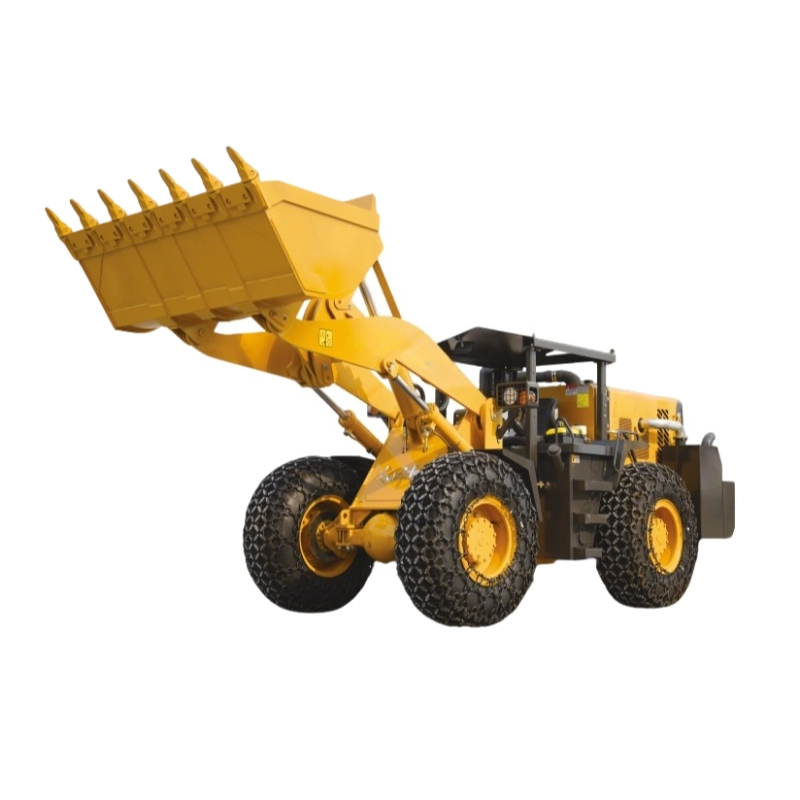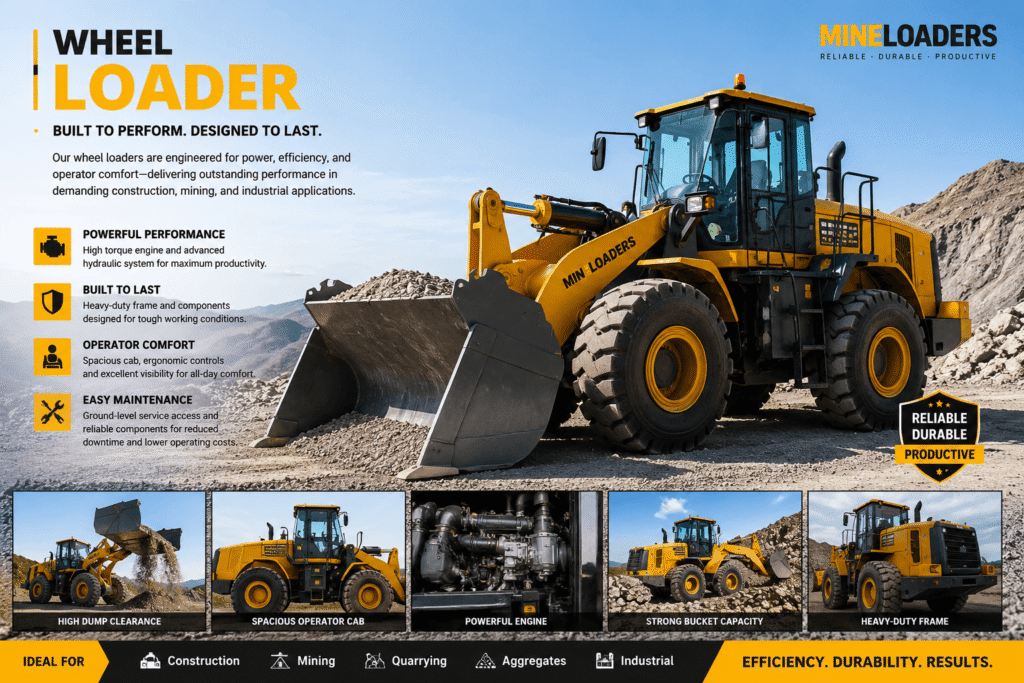
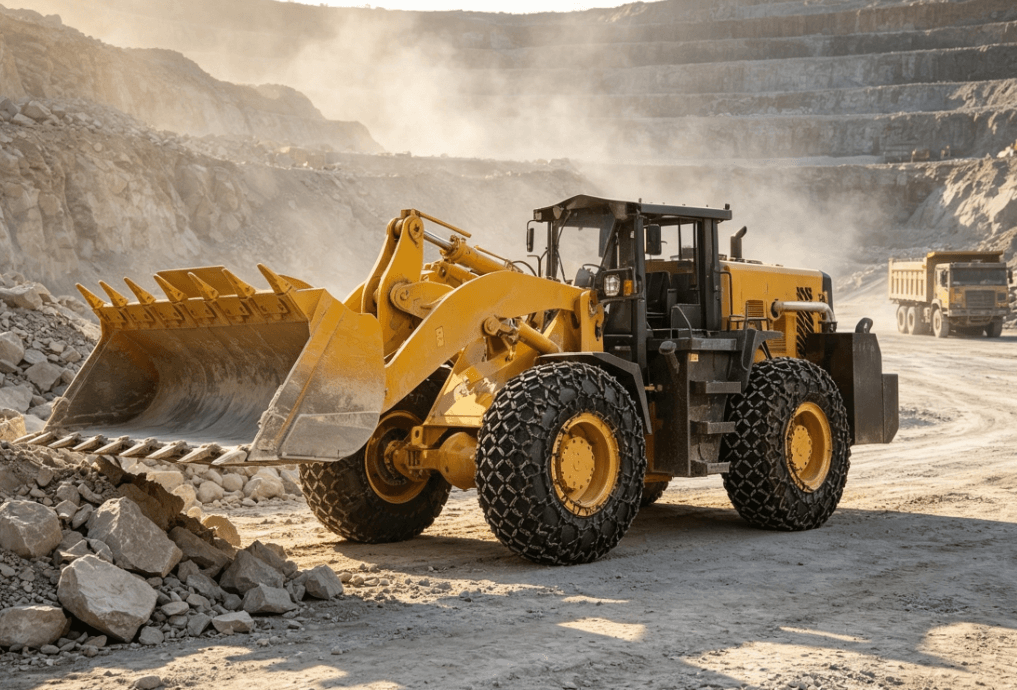
In the world of heavy equipment, the articulated wheel loader stands as a cornerstone of modern material handling. Unlike rigid-frame vehicles, these machines are engineered around a central pivot point that allows the front and rear chassis to move independently. This structural choice is not merely a design preference; it is a fundamental engineering solution to the challenges of maneuverability, stability, and operational efficiency in confined or high-stress environments.
Whether operating in a sprawling construction site or the restricted confines of an underground mine, the articulated loader provides a level of versatility that fixed-frame alternatives cannot match. Understanding the technical nuances of these machines is essential for fleet managers, project engineers, and equipment operators seeking to optimize their workflow.
The Mechanics of Articulation: How It Works
The defining characteristic of an articulated wheel loader is the articulation joint located between the front and rear axles. This joint serves as the machine’s primary steering mechanism. When the operator turns the steering wheel, hydraulic cylinders actuate the pivot, causing the entire front half of the machine to angle away from the rear half.
This design differs significantly from traditional automotive steering, where only the wheels turn. In an articulated system, the wheels remain parallel to the frame sections they are attached to. This allows the machine to “bend” into a turn, providing a much tighter turning radius and ensuring that the rear wheels follow the exact path of the front wheels—a critical advantage when navigating narrow passages or avoiding obstacles on a busy job site.
Key Engineering Features of Articulated Loaders
The performance of an articulated loader is the result of several integrated mechanical systems working in unison. Beyond the basic pivot, high-performance models, such as those found in professional loader categories, incorporate specific technical features designed for durability.
1. Central Oscillation Joint
Many modern articulated loaders feature an oscillation joint in addition to the pivot. This allows the front and rear frames to twist independently relative to each other. In practical terms, this ensures that all four wheels maintain contact with the ground even when traversing uneven or rocky terrain. This constant contact is vital for maintaining traction and preventing the machine from tipping during heavy lifts.
2. Hydrostatic and Powershift Transmissions
Depending on the size and application, these loaders typically utilize hydrostatic or powershift transmissions. Hydrostatic systems offer smooth, infinitely variable speed control, which is ideal for precise loading and “inching” movements. Powershift transmissions are often preferred in larger machines where high-speed travel and heavy-duty pushing power are required.
3. Optimized Load Distribution
The placement of the engine and hydraulic components in the rear frame acts as a natural counterweight to the bucket load in the front. This balance is calculated to maximize the “tipping load”—the maximum weight the loader can lift before the rear wheels lose contact with the ground.
Primary Advantages in Industrial Applications
The adoption of articulated loaders across mining, construction, and agriculture is driven by several tangible operational benefits.
| Feature | Operational Advantage |
| Tight Turning Radius | Enhanced maneuverability in confined spaces and shorter cycle times. |
| Path Tracking | Rear wheels follow front wheels exactly, reducing tire scrub and obstacle collisions. |
| High Ground Clearance | The pivot design often allows for higher clearance, essential for rough terrain. |
| Reduced Tire Wear | Because the wheels do not “scrub” against the ground during turns, tire lifespan is significantly extended. |
Superior Maneuverability
In industries like underground mining, space is the primary constraint. An articulated loader can navigate 90-degree turns in tunnels that would be impassable for a rigid-frame vehicle of the same capacity. This maneuverability translates directly into faster cycle times, as operators spend less time repositioning the machine for a load.
Stability and Safety
The ability of the chassis to oscillate means the machine remains stable on inclines and broken ground. For the operator, this results in a smoother ride and more predictable machine behavior. From a safety perspective, the reduced risk of tipping is a critical factor in high-stakes environments where heavy loads are handled at height.
Fuel and Maintenance Efficiency
Articulated steering is inherently more efficient than skid-steering (common in smaller loaders) or multi-point steering. Because the machine moves with the turn rather than fighting against the ground’s friction, there is less strain on the drivetrain and tires. Over the lifecycle of the machine, this results in lower fuel consumption and reduced maintenance overhead for the hydraulic and mechanical systems.
Application Logic: Where Articulated Loaders Excel
While versatile, articulated loaders are specifically optimized for “load and carry” operations. Their design logic favors scenarios where a machine must frequently transition between picking up material and transporting it a short distance to a hopper, truck, or stockpile.
- Underground Mining: Specialized low-profile articulated loaders (LHDs) are the backbone of underground ore extraction. Their ability to articulate allows them to work within the specific geometry of mine drifts.
- Infrastructure Construction: In road building or urban development, the ability to operate within a single lane of traffic without sacrificing lifting capacity makes these machines indispensable.
- Waste Management and Recycling: The tight quarters of transfer stations require machines that can pivot quickly between sorting piles and loading bays.
Choosing the Right Configuration
Selecting an articulated loader involves more than just looking at horsepower. Professionals must evaluate the “Static Tipping Load” (both straight and at full turn) to ensure the machine can handle the intended materials safely. Furthermore, the hydraulic flow rate determines the speed at which the arms and bucket operate, which directly impacts the number of tons moved per hour.
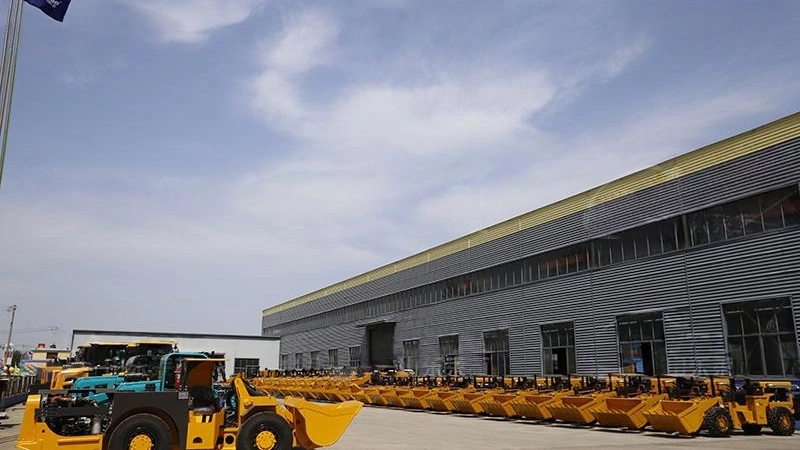
For those operating in extreme environments, such as high-altitude mines or high-heat industrial plants, specialized cooling systems and reinforced pivot pins become necessary specifications. As seen in specialized mining loader fleets, the integration of heavy-duty axles and reinforced frames ensures that the advantages of articulation are not compromised by the stresses of the job.
FAQ
What is the difference between an articulated loader and a skid steer?
A skid steer turns by locking one side of the wheels and powering the other, which causes the tires to “skid” across the ground. An articulated loader uses a central pivot to bend the frame. Articulated loaders generally have higher lifting capacities, better fuel efficiency, and cause significantly less surface damage than skid steers.
Does articulation affect the lifting capacity?
Yes. An articulated loader is usually most stable when it is in a straight line. The “tipping load at full turn” is always lower than the straight tipping load. Operators must be trained to understand these limits to prevent side-tipping during maneuvers.
Are articulated wheel loaders suitable for soft ground?
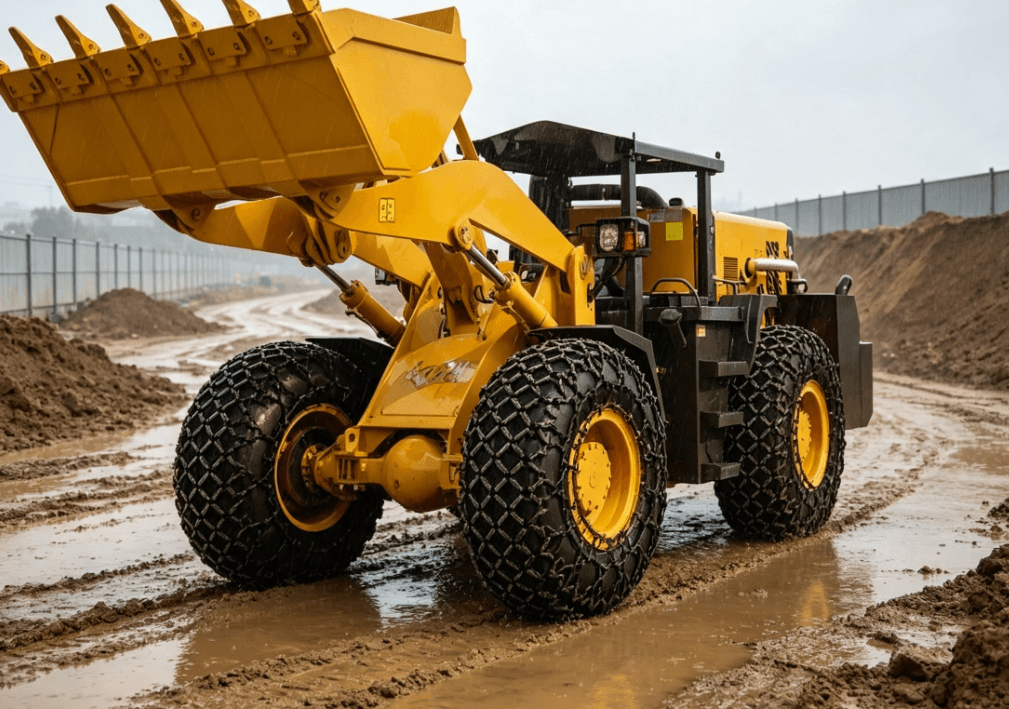
Because the rear wheels follow the path of the front wheels (path tracking), they only create two ruts instead of four. Combined with large flotation tires and an oscillating joint that keeps all wheels on the ground, articulated loaders perform exceptionally well on soft or muddy terrain compared to rigid-frame vehicles.
How often does the articulation joint require maintenance?
The pivot pins and bearings are high-wear items. They require regular greasing—often daily or via an automated lubrication system—and should be inspected for play or “slop” during every scheduled maintenance interval to ensure steering precision and safety.
Reference Sources
- ISO 14397-1:2007 – Earth-moving machinery — Loaders and backhoe loaders — Part 1: Methods of determining rated operating load.
- SAE J1092 – Component Nomenclature—Industrial Tractors (Wheel).
- Mining Engineering Handbook (SME) – Standards for underground loading and hauling equipment.