Modern mining operations have transitioned from labor-intensive sites to highly engineered environments where efficiency and safety are dictated by the sophistication of the machinery. Understanding the primary tools used in extraction and processing is critical for project managers, site engineers, and procurement specialists looking to optimize throughput.
The diversity of geological formations requires a specialized mining equipment list tailored to specific extraction methods—primarily surface (open-pit) and underground mining. Each category demands unique engineering specifications, from massive breakout forces in excavators to the compact, high-torque performance of underground loaders.
Primary Machinery for Surface Mining Operations
Surface mining accounts for the majority of global mineral production. Because these operations are exposed to the elements and involve moving vast quantities of overburden (waste rock), the equipment is characterized by its immense scale and durability.
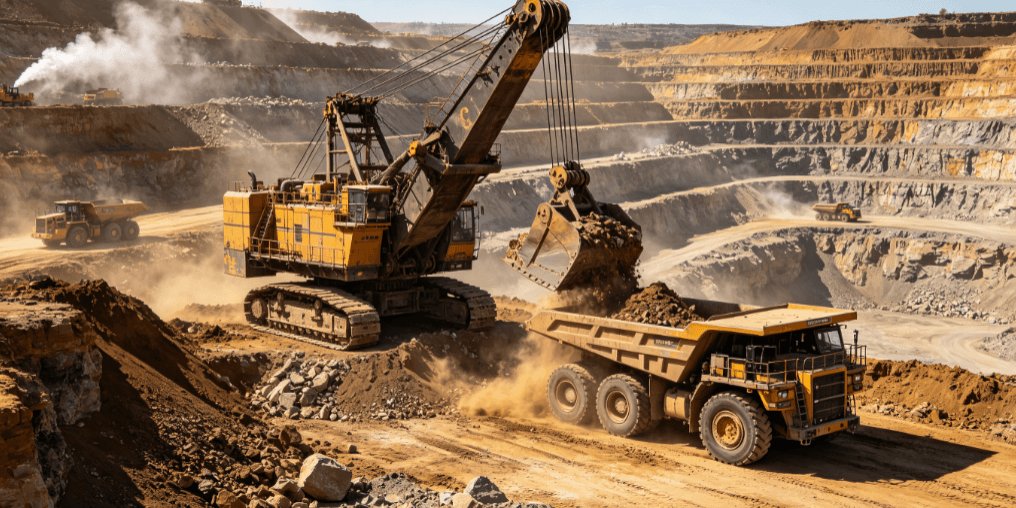
1. Electric Rope Shovels and Hydraulic Excavators
The cornerstone of any surface mining equipment list, these machines are the primary movers of material.
- Hydraulic Excavators: Preferred for their versatility and mobility. They utilize advanced hydraulic circuits to provide the digging force necessary to penetrate hard rock.
- Electric Rope Shovels: These are the giants of the industry, designed for high-volume loading. They offer lower operating costs over long lifecycles compared to hydraulic counterparts but are less mobile.
2. Ultra-Class Haul Trucks
Once material is excavated, it must be transported to crushers or waste piles. Modern haul trucks, such as those from Caterpillar or Komatsu, can carry payloads exceeding 400 tons. These vehicles rely on diesel-electric powertrains or high-horsepower mechanical drives to navigate steep haul roads.
3. Blast Hole Drills
Before excavation can occur, the rock must be fractured. Blast hole drills create precise patterns in the benches, which are then filled with explosives. Modern drills feature automated leveling and high-precision GPS to ensure blast consistency, which directly impacts the efficiency of the downstream crushing process.
Essential Equipment for Underground Mining
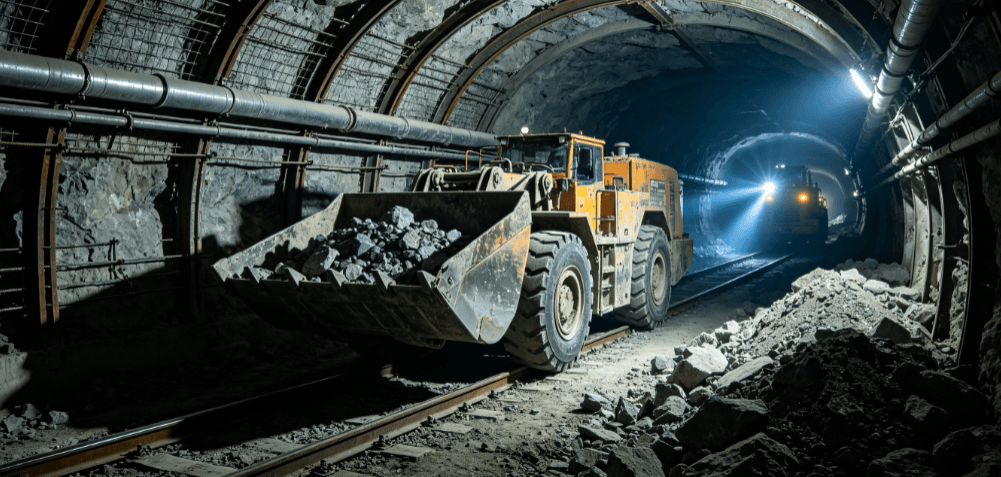
Underground mining presents challenges regarding space constraints, ventilation, and structural integrity. The equipment here is “low profile” but exceptionally powerful.
1. Continuous Miners
In “soft rock” mining (such as coal or salt), continuous miners eliminate the need for blasting. These machines feature a large rotating drum equipped with tungsten carbide teeth that scrapes ore directly from the seam onto a conveyor system.
2. Load-Haul-Dump (LHD) Loaders
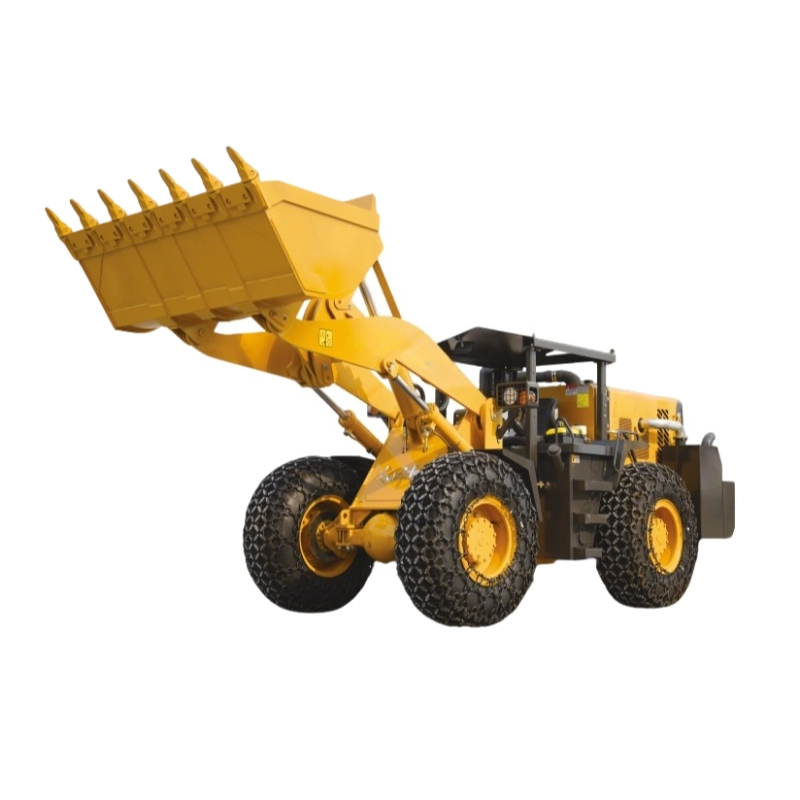
LHDs are the underground equivalent of front-end loaders but are designed with a much lower center of gravity and articulated steering to navigate tight tunnels. They are critical for “mucking”—the process of removing blasted rock from the face.
3. Roof Bolters
Safety in underground environments depends on ground control. Roof bolters are specialized rigs that drill into the ceiling of a mine and insert steel bolts to reinforce the rock strata, preventing collapses.
Comparison: Surface vs. Underground Equipment Requirements
| Feature | Surface Mining Equipment | Underground Mining Equipment |
| Primary Goal | Massive scale and volume | Precision and maneuverability |
| Power Source | Diesel or Electric (tethered) | Diesel (with scrubbers) or Battery Electric (BEV) |
| Maintenance Priority | Undercarriage and bucket wear | Hydraulics and emission systems |
| Operator Environment | High-visibility cabs | Reinforced FOPS/ROPS structures |
Support and Ancillary Mining Equipment
No mining equipment list is complete without the auxiliary machinery that keeps the site operational. These units often perform the “unseen” tasks that prevent costly downtime.
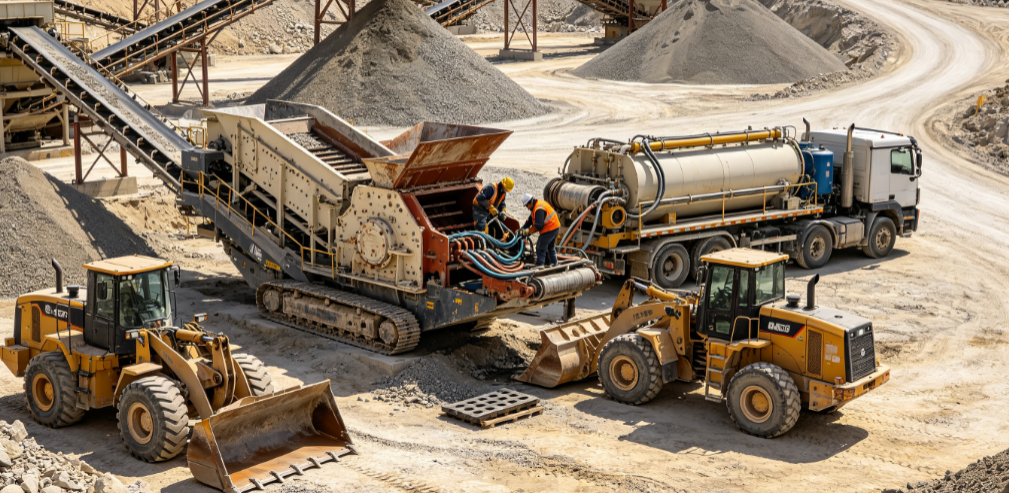
- Crushers and Feeders: Stationary or mobile units that break down large boulders into manageable sizes for conveyor transport or processing plants.
- Motor Graders: Essential for maintaining haul roads. Smooth roads reduce tire wear on haul trucks, which is one of the highest operating expenses in a mine.
- Dewatering Pumps: Mines often intercept groundwater. High-head pumps are required to keep the pit or shafts dry to prevent equipment damage and safety hazards.
- Service Trucks: Mobile units equipped with cranes, lubrication systems, and welding gear to perform field repairs.
The Role of High-Performance Components in Mining
In modern mining, the reliability of a machine is only as good as its smallest critical component. High-pressure hydraulic systems, for instance, are the “nervous system” of excavators and LHDs. Components must withstand extreme thermal cycling, abrasive dust, and high-vibration environments.
For many operations, sourcing OEM-quality parts is the primary strategy for mitigating “Unscheduled Downtime.” Whether it is high-grade hydraulic cylinders or specialized wear parts for buckets and crushers, the integration of precision-engineered components ensures that the heavy machinery on your list operates at peak TBO (Time Between Overhaul). Professionals often look toward comprehensive industrial hubs like SIE Source to identify specialized components that meet the rigorous ISO and safety standards required for heavy-duty mining environments.
Technology Integration: The “Digital” Mining List
The modern mining equipment list now includes a significant software and sensor component:
- Autonomous Haulage Systems (AHS): Trucks that operate without drivers, guided by LIDAR and GPS.
- Telematics: Real-time monitoring of engine health, fuel consumption, and hydraulic pressure to enable predictive maintenance.
- Payload Monitoring: Sensors on loaders that ensure trucks are not underfilled (losing efficiency) or overfilled (stressing the frame and tires).
FAQ
Q1: What is the most expensive piece of equipment on a mining equipment list?
Typically, the Electric Rope Shovel or the Ultra-Class Haul Truck represents the highest capital expenditure. A single large haul truck can cost between $3 million and $5 million, while draglines used in massive surface mines can cost over $50 million.
Q2: Why is the industry moving toward Battery Electric Vehicles (BEVs) in underground mining?
Underground ventilation is incredibly expensive. Traditional diesel engines produce heat and particulates that require massive airflow to clear. BEVs produce zero emissions and significantly less heat, drastically reducing ventilation costs and improving miner health.
Q3: How often does mining equipment require major overhauls?
This depends on the “Duty Cycle.” For example, a haul truck engine may require a major overhaul every 20,000 to 25,000 hours. However, high-wear components like bucket teeth or hydraulic seals may need replacement every few hundred hours depending on the abrasiveness of the rock.
Q4: What are “Wear Parts” in a mining context?
Wear parts are components designed to be sacrificed to protect the main machine. This includes liners for crushers, teeth for excavator buckets, and cutting edges for graders. Regular replacement of these parts is essential to maintain structural integrity.
Reference Sources
- Society for Mining, Metallurgy & Exploration (SME): Mining Engineering Handbook. A primary source for technical specifications on extraction machinery.
- ISO 20474: International standard for “Earth-moving machinery – Safety,” which governs the design and operation of mining equipment.
- Caterpillar & Komatsu Technical Documentation: Official OEM specifications for breakout force, payload capacities, and engine displacement.
- International Council on Mining and Metals (ICMM): Reports on the implementation of autonomous and electric equipment in global operations.