When preparing to buy or specify earthmoving equipment, understanding the practical distinction between a wheel loader manufacturer vs supplier helps procurement teams set expectations for customization, lead time, service access and RFQ content. This article focuses on buyer decisions, what to ask during RFQ and site confirmation, and how responsibilities commonly fall to each party.
wheel loader manufacturer vs supplier: basic roles and buyer implications
At a high level, manufacturers design, assemble and validate equipment, while suppliers distribute, integrate logistics and often provide local sales and aftersales services. For buyers, the important differences are how each role affects direct access to technical information, aftermarket parts, warranty handling, and responsibility for modifications or factory-fit options.
Key functional differences
The list below summarizes typical capabilities and where a buyer should focus due diligence.
Manufacturer responsibilities (typical)
- Product design, factory testing, and issuing official OEM documentation (drawings, manuals, type approvals where applicable).
- Defining standard configurations and factory options; producing replacement parts and type-specific components.
- Providing technical support for major repairs, root-cause analysis, and warranty determinations.
Supplier responsibilities (typical)
- Quoting, logistics, local sales support, first-line service, and parts stocking for common consumables.
- Coordinating shipment, customs clearance, and local delivery to site; may offer installation or commissioning services through partners.
- Acting as the buyer’s local contact for routine maintenance scheduling and spare parts procurement.
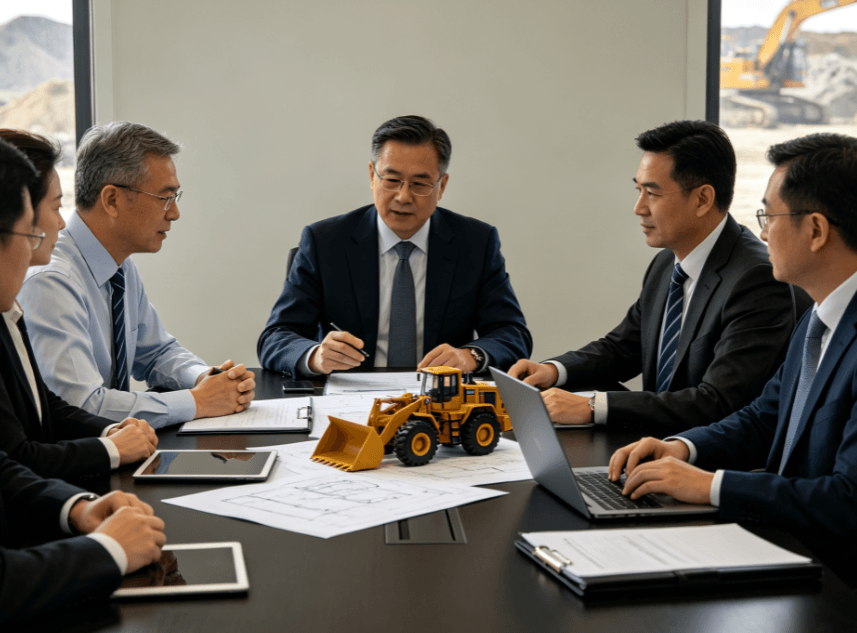
Decision/comparison table
| Topic | Manufacturer (OEM) | Supplier / Dealer |
|---|---|---|
| Design authority | Controls design, factory options and type documentation. | Can request or specify options through OEM; limited authority to change factory design. |
| Customization | Can approve factory-installed custom packages or certified modifications. | May coordinate aftermarket conversions or local fitment with OEM approval. |
| Warranty and major repairs | Determines warranty scope and oversees major warranty repairs. | Acts as local contact for warranty claims, initial diagnostics and return coordination. |
| Parts availability | Produces OEM parts and long-lead or model-specific components. | Stocks common wear parts and orders OEM parts; lead time varies by part and location. |
| Local support | Provides technical escalation and specialized service teams when required. | Provides day-to-day service, spare parts, and field technicians for routine work. |
| Commercial negotiation | May set factory order terms; larger OEMs handle direct buyer agreements for bulk or project orders. | Often handles price negotiation, financing options, and local contract terms. |
How the distinction affects procurement and RFQs
Buyers should write RFQs that make clear which responsibilities are expected from the supplier and which require OEM confirmation. For example, warranty scope, availability of specific factory options, certified modifications, and lead time for OEM parts typically need OEM confirmation. Routine spare parts, local service levels and delivery logistics generally fall to the supplier.
RFQ and site-confirmation checklist
Use the checklist below to assign confirmation responsibilities. Items marked “RFQ/OEM/mine confirmation” mean the buyer should expect a documented response before awarding a contract.
| Check | Details | Who confirms |
|---|---|---|
| Duty cycle and operating hours | Daily cycles, load profile and expected annual hours to size machine and service plan. | Mine / Buyer (site) + Supplier input; OEM confirmation for factory-rated duty. |
| Site access and transport limits | Gate width, ramp slope, bridge capacities, or narrow access points that affect machine size. | Mine / Buyer (site) confirmation; Supplier to advise transport options. |
| Ground and terrain conditions | Rock type, bench slope, ground bearing and need for tyre or undercarriage choices. | Mine / Buyer gather; OEM/Supplier advise on compatible configurations. |
| Payload and matching to fleet | Required bucket size, cycle time, and compatibility with dump points or trucks. | Mine/Buyer define; Supplier to coordinate with OEM for certified options. |
| Power source and emissions | Diesel, electric or hybrid preferences and regional emissions requirements. | Buyer define; OEM confirmation for engine options and emissions documentation. |
| Service access and spare parts stocking | Local parts availability, stocking levels and planned service intervals. | Supplier for local stocking; OEM for long-lead or model-specific spares. |
| Warranty and claim process | Defined claim steps, authorized repair locations and escalation path. | Supplier handles initial claims; OEM confirms warranty scope and approvals. |
| Certification and documentation | Required manuals, safety decals, conformity documents and CE/type approvals if applicable. | OEM issues official documentation; Supplier supplies copies to buyer on request. |
Risk management and safety considerations
For powered haulage and loader operation, buyers should expect both supplier and OEM to contribute to risk controls. General guidance on powered haulage safety and risk-based maintenance planning can inform RFQ requirements and service contracts [1]. Mine operators and buyers should also consider occupational health research when assessing diesel-powered equipment and ventilation needs, particularly for enclosed or underground operations [2].
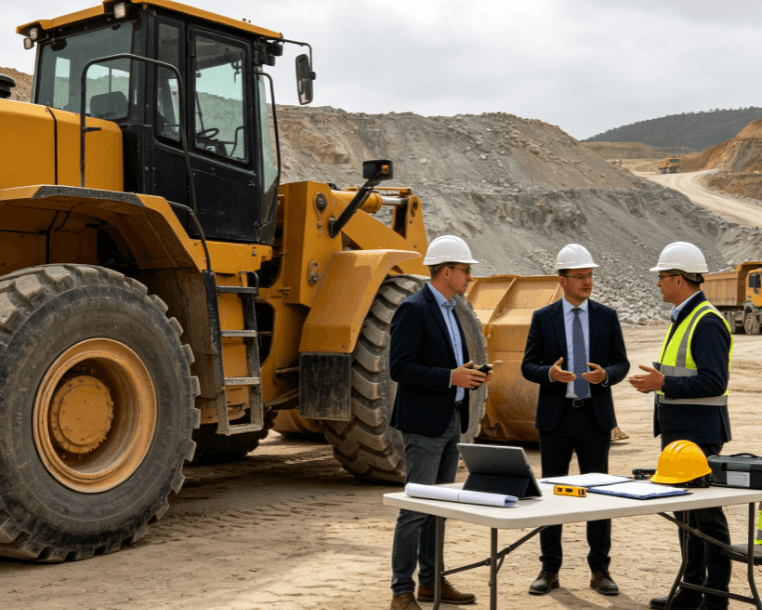
Practical procurement tips
- Be explicit in the RFQ about which party will provide which documents (e.g., OEM technical drawings, maintenance schedules, parts lists).
- Request lead-time ranges for both stocked items from the supplier and factory-ordered parts from the OEM.
- Ask suppliers to confirm whether they are an authorized dealer or independent distributor and to provide escalation contacts at the OEM.
- Include clear acceptance and commissioning criteria in contracts so site teams know when a machine is ready for operations.
Can a supplier act as a manufacturer for certain services?
Some suppliers perform local modifications, assembly or integration work under license or with OEM approval. When that happens, the supplier should provide documented evidence of authorization and the OEM’s acceptance of any impact on warranty or certification. Buyers should require written confirmation during RFQ or contract negotiations.
Which option is better for custom configurations?
If the requirement is for factory-integrated custom features or certified changes that affect type approval, working directly with the OEM (or an OEM-authorized pathway) is usually necessary. Suppliers can often coordinate the process and provide local fitment for non-critical add-ons, but OEM sign-off will commonly be needed for anything that affects safety, emissions or original certification.
How should warranty and spare-part commitments be specified?
Specify warranty start and claim procedures in the RFQ and request written confirmation of spares lead times. Ask the supplier to list which parts they stock locally and which require OEM ordering. If long-term availability of model-specific parts is critical, request OEM confirmation as part of procurement due diligence.
What goes into a site confirmation visit?
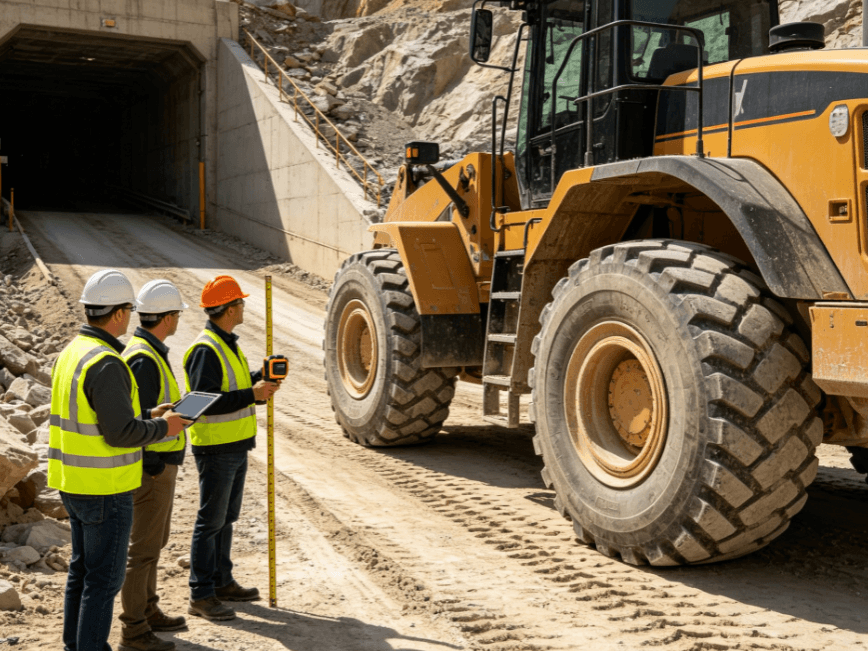
A site visit should verify access, turning radii, ramp gradients, load/unload points and the environment where the machine will operate. It should also confirm fuel and service facilities, planned maintenance intervals, and parts storage options. Document findings and obtain written recommendations from the supplier or OEM where configuration limits may apply.
How do I ensure emergency support and escalation?
Define emergency response times and escalation paths in the service agreement. Suppliers should provide first-response capability; OEMs should be named as escalation contacts for major component failures or warranty disputes. Include contact details and SLAs in contractual documents.
For practical examples of product listings and local inventory, the supplier’s product page lists Mining Truck items and Mining Loader items by label and model. Consult that page for an overview of the supplier’s available equipment types and to identify which items you may wish to include in an RFQ: construction and mining equipment range.
Scope note: final configuration, dimensions, capacity, documentation, price, lead time and site fit require RFQ/OEM/mine confirmation. Buyers should treat the details above as procurement guidance, not a substitute for formal OEM documentation and site-specific acceptance testing.
For a product-page starting point, review the construction and mining equipment range and request application-specific confirmation.
When comparing options, use wheel loader manufacturer vs supplier as a checklist topic rather than a promise of a particular machine outcome. Record the operating conditions, material, route restrictions, maintenance resources, and safety controls that the supplier or OEM must confirm in writing.
Additional buyer checks before final selection
Before comparing quotations, document the normal and peak duty cycle, material condition, available working envelope, haul or travel route, operator interface, planned inspection process, and service access. Ask each respondent to state the assumptions used for its recommendation and to identify any attachments, optional systems, or operating limits that could change the final configuration. This makes it easier to compare proposals on a like-for-like basis and to plan a practical commissioning review.
Procurement teams should also separate facts that are published by a supplier from items that require project-specific validation. Request drawings, operating documentation, maintenance requirements, and the applicable safety or regulatory information for the intended jurisdiction. If the machine will work alongside other mobile equipment, include traffic management, visibility, communication, and training considerations in the site review. These checks support a more complete RFQ without implying that a generic article can replace an engineering assessment or the mine’s own safety process.
References
- MSHA, Powered Haulage Safety (accessed 19 August 2026)
- CDC/NIOSH, Mining Program (accessed 19 August 2026)
- Komatsu, Wheel Loaders (accessed 19 August 2026)