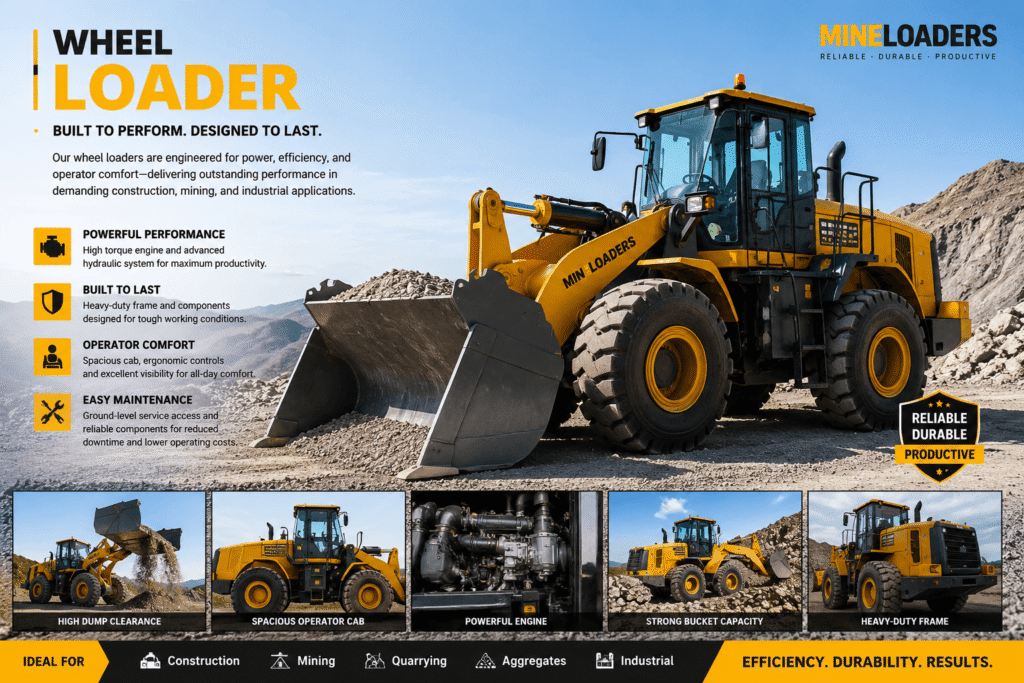
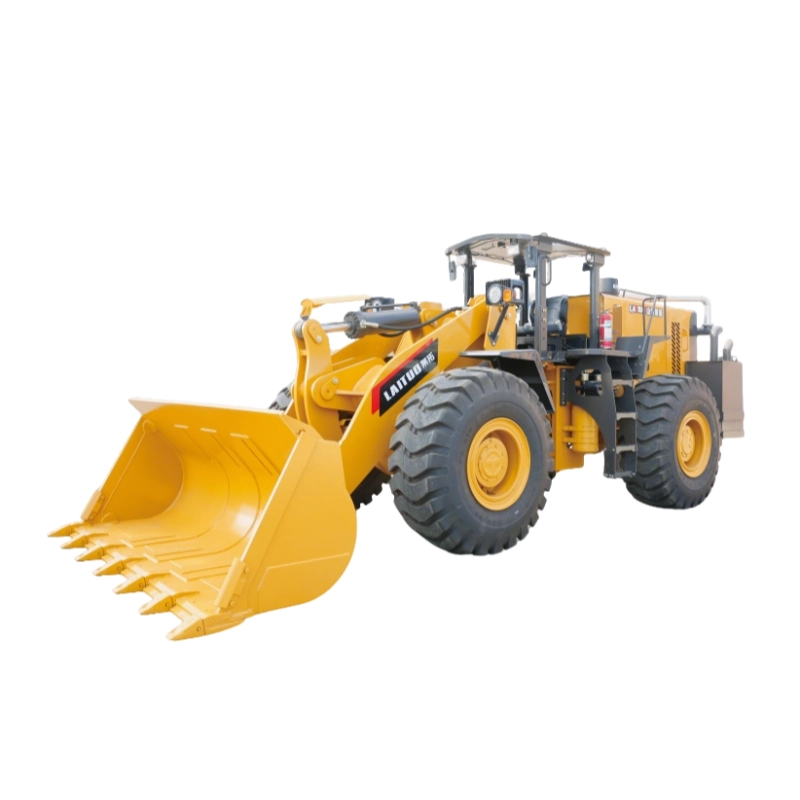
Wheel loaders serve as the backbone of modern heavy industry. These versatile machines, characterized by their front-mounted buckets and articulated steering, bridge the gap between raw power and precision maneuverability. In our experience as equipment manufacturers, we have seen these machines transform from simple loaders into multi-functional platforms capable of handling diverse geological and logistical challenges.
Understanding the specific wheel loader applications within the construction sector is vital for project managers and engineers. These machines are not merely tools for moving dirt. They are sophisticated systems engineered to improve cycle times, reduce operational costs, and maintain safety standards in high-risk environments. At MineLoaders, we emphasize that the efficiency of a project often hinges on how well a wheel loader’s specifications match the task at hand.
What makes wheel loaders essential in modern construction?
The primary value of a wheel loader lies in its hydraulic capacity and mobility. Unlike tracked excavators, wheel loaders use heavy-duty tires that allow for faster travel across stable job sites. This mobility is critical for “load and carry” operations where material must be moved over short to medium distances.
From an engineering perspective, the articulated steering system allows the machine to pivot in the center. This design provides a tight turning radius, which is indispensable in confined urban construction sites or narrow underground tunnels. Our design philosophy focuses on maximizing the breakout force, which is the amount of power the bucket can apply when digging into a pile.
Modern wheel loaders also incorporate advanced telematics. These systems allow site managers to monitor fuel consumption and payload weight in real-time. By integrating these technical features, we ensure that operators can achieve maximum productivity with minimal mechanical strain.
How are wheel loaders applied in civil infrastructure projects?
Civil infrastructure represents the largest sector for wheel loader applications. In road construction, bridge building, and urban development, these machines perform a variety of heavy-lifting tasks. Their primary role is often the management of aggregates and base materials.
In high-volume roadwork, we see our loaders used to feed asphalt plants or spread sub-base layers. The ability to quickly swap buckets for pallet forks or sweepers makes the wheel loader a Swiss-Army knife on the job site. This versatility reduces the need for multiple specialized machines, lowering the total equipment footprint.
Common civil applications include:
- Site Preparation: Removing topsoil and clearing debris before excavation begins.
- Stockpiling: Organizing sand, gravel, and crushed stone for easy access.
- Backfilling: Filling trenches or foundations after pipes or structures are installed.
- Material Transport: Moving heavy components like concrete pipes or jersey barriers.
| Application Type | Key Requirement | Preferred Attachment |
| Road Construction | High Travel Speed | General Purpose Bucket |
| Utility Work | Precision Control | Pallet Forks / Grapples |
| Urban Clearing | Tight Turning Radius | Side-Dump Bucket |
| Quarrying | High Breakout Force | Rock Bucket with Teeth |
Why are wheel loaders critical for mining and quarrying?
In the mining industry, the requirements for machinery shift from versatility to extreme durability. This is where our specialized expertise at MineLoaders becomes most apparent. Mining environments involve abrasive materials and 24/7 duty cycles that would overwhelm standard construction equipment.
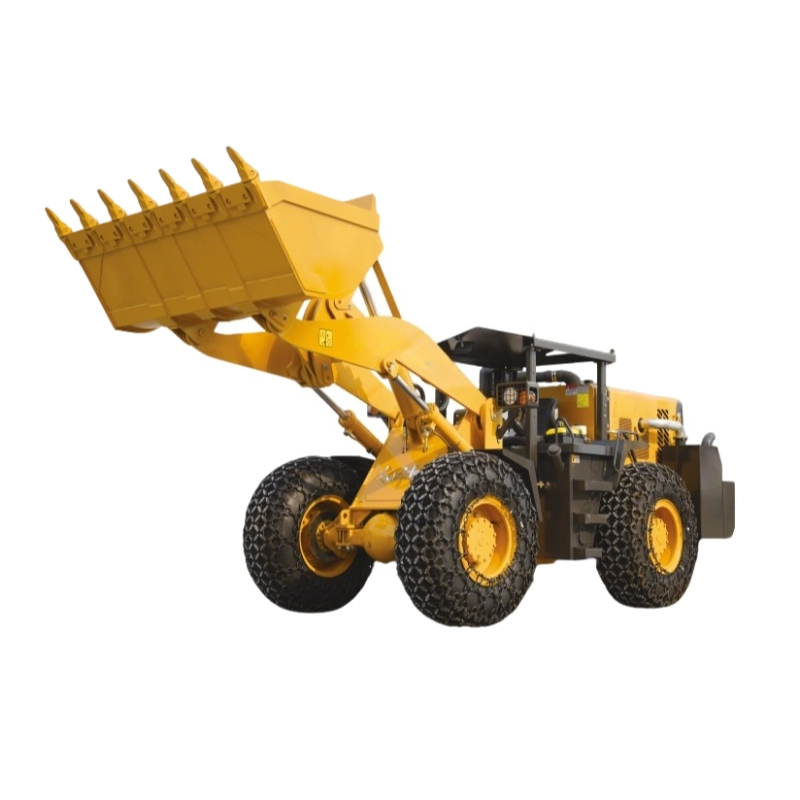
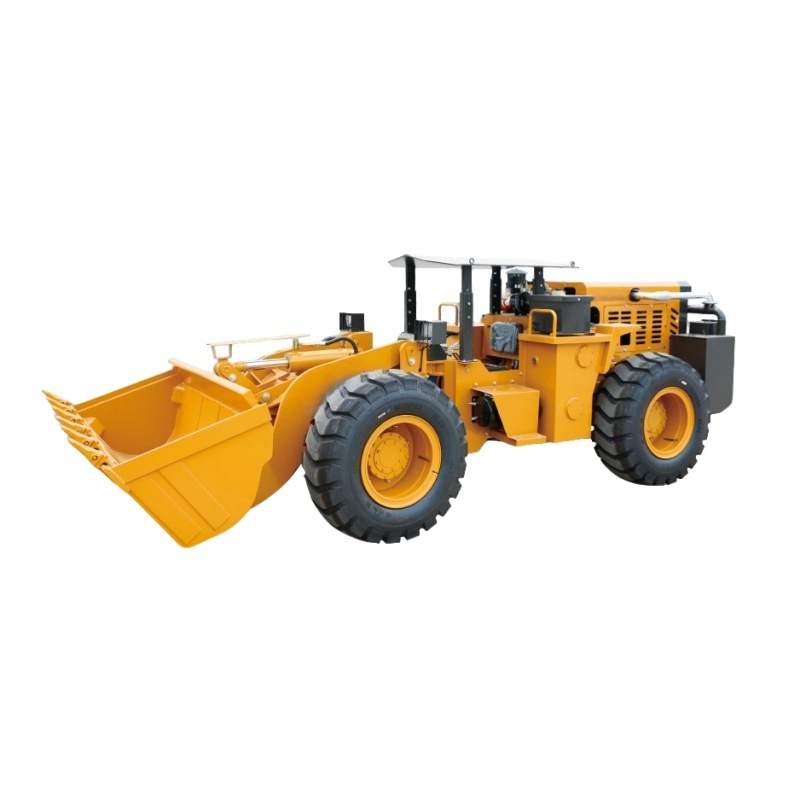
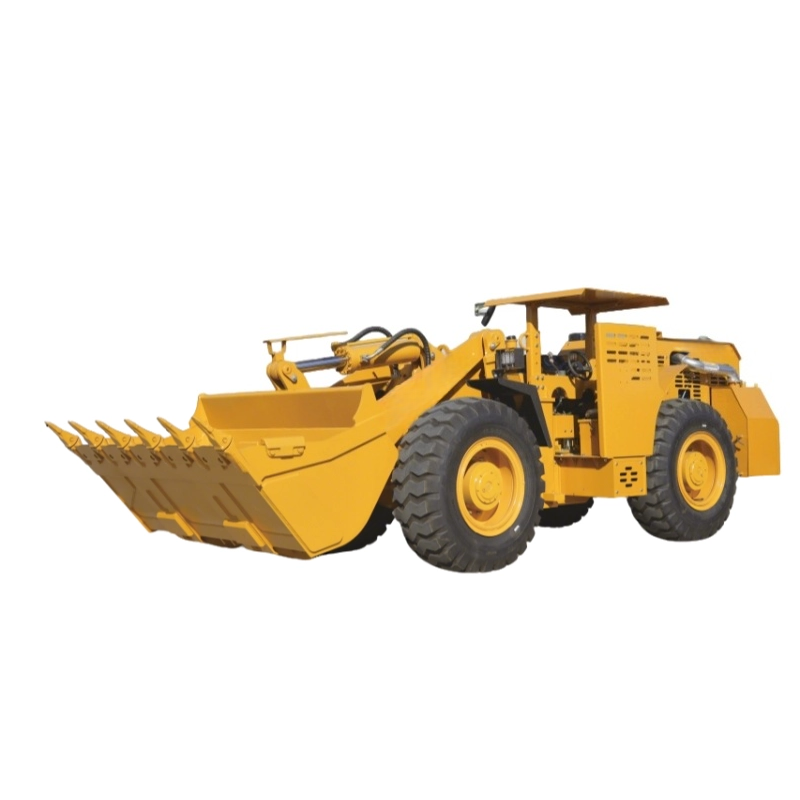
For underground operations, we manufacture low-profile wheel loaders, often referred to as LHD (Load-Haul-Dump) machines. These are specifically designed to operate in low-headroom environments while maintaining high torque for “mucking” operations. On the surface, large-scale wheel loaders are used to load haul trucks with ore or overburden.
The technical logic in mining applications centers on “bucket fill factor.” Our engineers focus on the geometry of the bucket to ensure it fills completely with every pass. This reduces the number of cycles needed to fill a truck, directly impacting the profitability of the mining operation. Safety is also paramount, necessitating reinforced cabins that meet FOPS (Falling Object Protective Structure) standards.
You can view our specific engineering solutions for these demanding environments in our wheel loader category, where we showcase machines built for both surface and underground durability.
How does material handling benefit from wheel loader technology?
Beyond digging and hauling, material handling is a major application in industrial yards and recycling centers. In these scenarios, the focus shifts from raw power to “soft” handling and precision placement. Wheel loaders equipped with specialized attachments can handle everything from scrap metal to organic compost.
In the timber industry, we often see our loaders fitted with log grapples. These machines must remain stable while carrying unevenly distributed loads across unpaved yards. The hydraulic damping systems in our loaders help absorb shocks, preventing material loss and reducing operator fatigue during long shifts.
In waste management, wheel loaders are used to push large volumes of refuse into compactors or onto conveyor belts. These environments are often harsh on tires, leading us to recommend solid or foam-filled tires to prevent punctures. The adaptability of the wheel loader ensures that it remains the most efficient choice for high-volume material throughput.
Why is choosing the right attachment vital for application success?
The versatility of a wheel loader is largely determined by its front-end attachments. As an OEM manufacturer, we understand that the machine is only as good as its interface with the material. Using a quick-coupler system, an operator can transition between tasks in minutes.
For example, when working in heavy snow removal, a standard bucket is inefficient compared to a specialized snow pusher or a high-capacity light-material bucket. In demolition, a grapple bucket allows the operator to pick up and sort twisted rebar and concrete chunks, which is impossible with a standard smooth-edge bucket.
Consider these technical factors when selecting an attachment:
- Material Density: Heavy rock requires a smaller, reinforced bucket; light mulch allows for a much larger volume.
- Surface Conditions: Muddy or jagged terrain may require tire chains or specific tread patterns.
- Hydraulic Flow: High-demand attachments like cold planers or blowers require the machine to have high-flow auxiliary hydraulics.
- Lift Height: Loading high-sided trucks requires a “high-lift” linkage configuration to ensure the bucket can clear the truck bed safely.
By matching the attachment to the specific wheel loader application, companies can significantly extend the lifespan of the machine. It prevents the engine and hydraulics from being overworked by inappropriate load balances.
What is the future of wheel loader applications in construction?
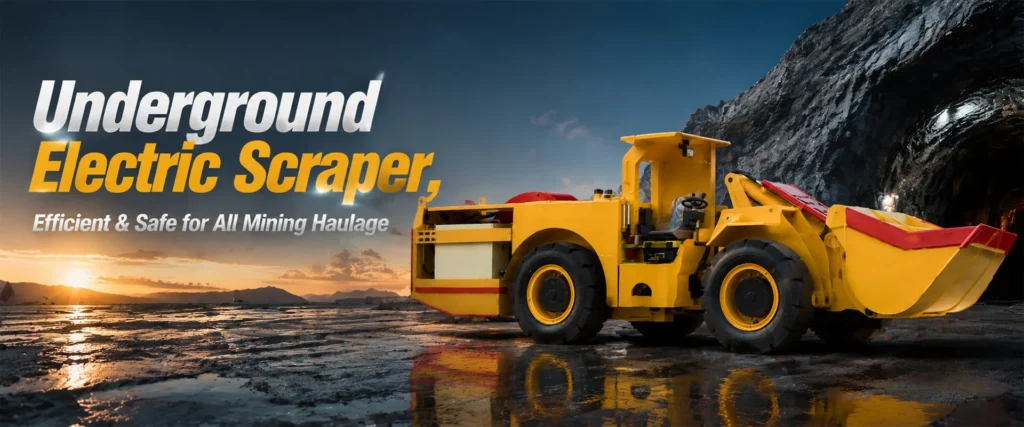
The industry is currently moving toward electrification and automation. At MineLoaders, we are observing a growing demand for zero-emission machines, particularly for indoor or underground construction where ventilation is a challenge. Electric wheel loaders provide instant torque, which is a major advantage during the initial dig phase of a cycle.
Automation is also becoming more common in repetitive stockpiling tasks. Remote-controlled loaders are being deployed in hazardous zones, such as unstable hillsides or toxic waste sites. These advancements do not change the core applications of the wheel loader but rather enhance the safety and efficiency with which they are performed.
Ultimately, the wheel loader remains the definitive tool for earthmoving and material handling. Whether it is a small unit on a residential site or a massive mining loader in an open pit, the fundamental logic remains the same: moving the maximum amount of material in the minimum amount of time.
FAQ
Q1: What is the most common use for a wheel loader in construction?
A1: The most common application is material handling and earthmoving. This includes loading aggregates into trucks, stockpiling materials like sand and gravel, and clearing debris from job sites to prepare for building.
Q2: Can wheel loaders be used for excavation like backhoes?
A2: While they can perform surface excavation and clearing, wheel loaders are designed to dig from a pile rather than dig deep below ground level. For deep trenching, an excavator is preferred, but for moving the excavated dirt, the wheel loader is superior.
Q3: How do I determine what size wheel loader is needed for my application?
A3: Selection depends on the “rated operating capacity” and the volume of the bucket. You should calculate the density of the material you move most often and the height of the trucks or hoppers you need to load.
Q4: Are wheel loaders suitable for soft or muddy ground?
A4: Because they use tires, wheel loaders have higher ground pressure than tracked machines. In very soft mud, they may struggle with traction, though specialized tire treads and four-wheel drive systems help mitigate this issue.
Q5: What are the benefits of using a wheel loader in underground mining?
A5: Underground wheel loaders (LHDs) are designed with a low profile to navigate tight tunnels. They provide the necessary power to move heavy ore while fitting into spaces that standard construction equipment cannot reach.
Reference Sources
- ISO 9248:1992 – Earth-moving machinery — Units for dimensions, performance and capacities, and their measurement accuracies
https://www.iso.org/standard/16898.html - Association of Equipment Manufacturers (AEM) – Safety Materials Program
https://www.aem.org/safety-product-leadership/safety-materials - Caterpillar – Selecting the Best Wheel Loader Buckets
https://www.cat.com/en_US/articles/for-owners/selecting-the-best-wheel-loader-buckets.html - Volvo Construction Equipment – News and Insights
https://www.volvoce.com/global/en/news-and-events/