In the high-stakes world of mineral extraction, machinery is the heartbeat of the operation. Whether it is a massive surface excavator or a compact underground loader (LHD), the reliability of this equipment determines the difference between a profitable shift and a costly breakdown.
Mining environments are uniquely brutal. Equipment faces constant exposure to abrasive dust, extreme temperature fluctuations, high-pressure hydraulic demands, and intense vibration. For those new to the industry, understanding maintenance isn’t just about “fixing what is broken.” It is about managing the lifecycle of multimillion-dollar assets to ensure safety and operational continuity.
The Core Strategies: Moving from Reactive to Proactive
Maintenance in mining is categorized by how and when intervention occurs. Beginners must distinguish between these three primary strategies to understand how modern mines operate.
| Maintenance Type | Approach | Primary Goal |
| Reactive (Breakdown) | Fix it after it fails. | Short-term cost saving; high long-term risk. |
| Preventive (PM) | Scheduled intervals (hours/miles). | Replace wear parts before they fail. |
| Predictive (PdM) | Real-time data monitoring. | Use sensors to detect specific failure signatures. |
While reactive maintenance may seem simple, the “run-to-fail” model is rarely sustainable in mining due to the logistics of getting parts into remote sites or deep underground shafts. Most successful operations prioritize Preventive Maintenance (PM), using the manufacturer’s recommended service intervals as a baseline.
Essential Maintenance Checkpoints for Underground Loaders (LHDs)
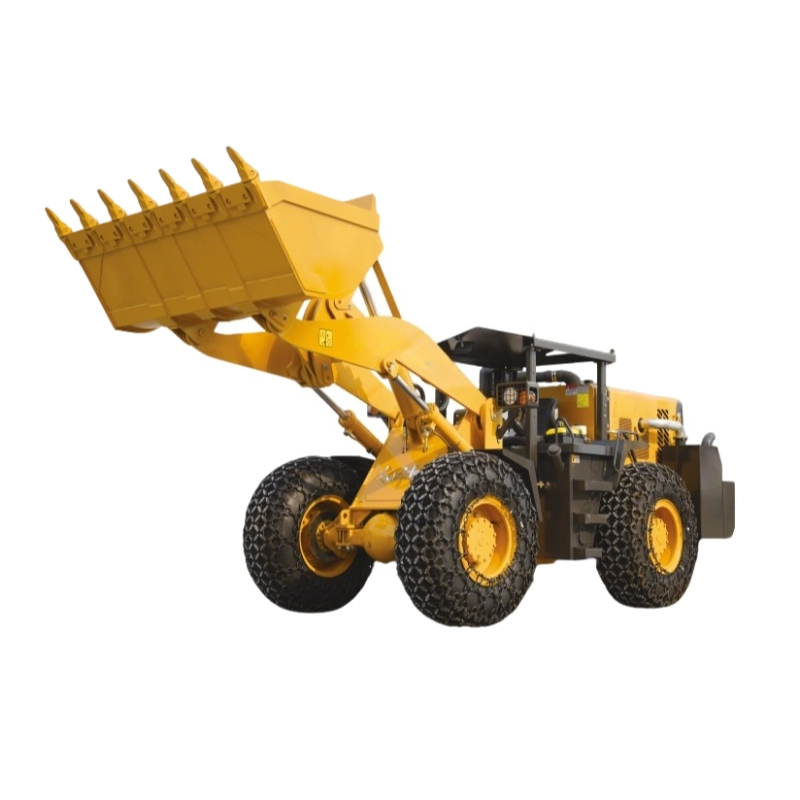
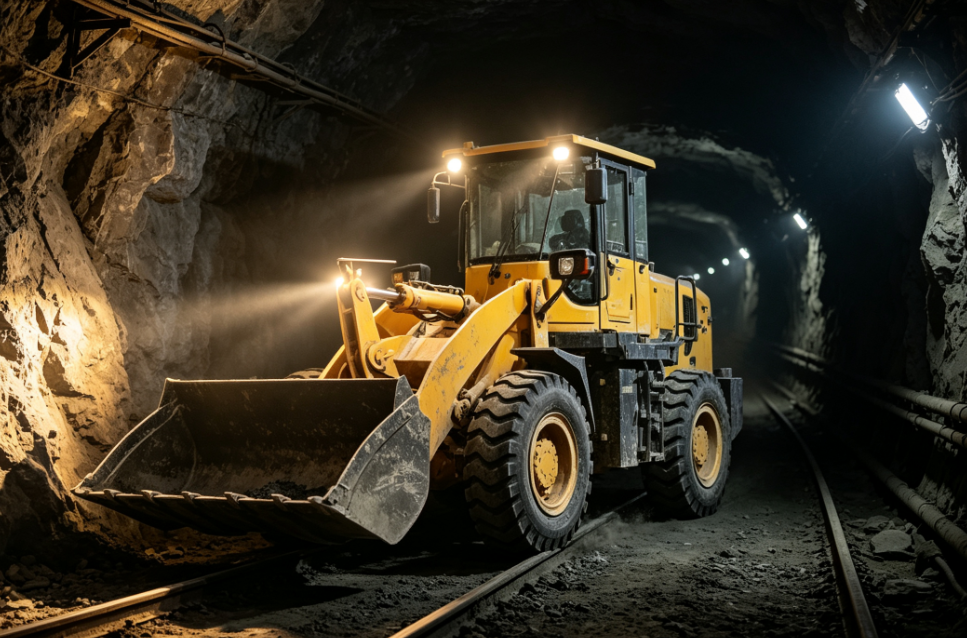
Underground mining equipment, such as the LHDs (Load-Haul-Dump) found at Mineloaders.com, requires specialized attention due to confined spaces and air quality requirements.
1. Hydraulic System Integrity
Hydraulics are the “muscles” of the machine. In underground environments, contamination is the primary enemy. Even microscopic grit can cause internal scouring in pumps and valves. Maintenance involves regular filter changes and checking for “weeping” hoses. A small leak today is a catastrophic hose burst tomorrow.
2. Powertrain and Driveline
Mining loaders endure high torque loads. Technicians must monitor differential oil levels and planetary gear hubs. For diesel-powered units, exhaust scrubbers and DPF (Diesel Particulate Filter) systems require frequent cleaning to maintain underground air quality standards.
3. Wear Parts and Ground Engaging Tools (GET)
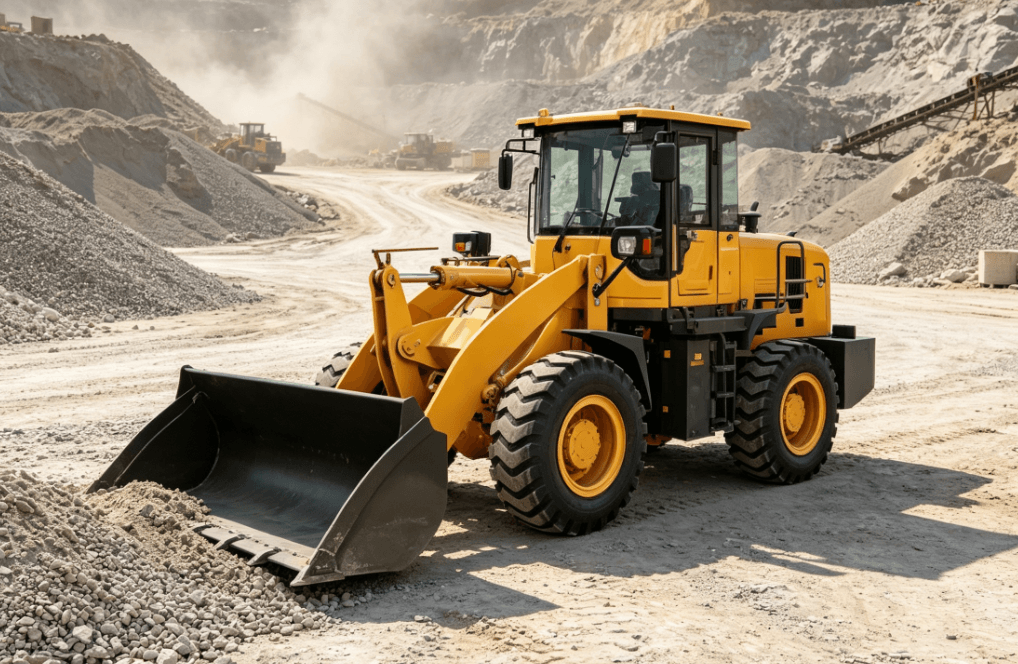
The bucket of a loader is in constant contact with abrasive rock. Beginners should look for wear patterns on the “lips” and “teeth” of the bucket. Replacing a bolt-on edge is inexpensive; welding a structural crack in a bucket shell caused by neglected wear is not.
Implementing a Daily Walk-Around Inspection Protocol
A structured inspection before every shift is the most effective way to catch early-stage failures. This protocol should be non-negotiable for operators and maintenance staff alike.
- Fluid Levels: Check engine oil, hydraulic fluid, coolant, and transmission fluid. Low levels often indicate a leak that hasn’t reached the ground yet.
- Tire and Rim Condition: In mining, tires are a massive operating expense. Check for deep cuts or “chunking” caused by sharp rocks, and ensure wheel nuts are torqued to specification.
- Articulation Points: Mining loaders pivot in the middle. These pins and bushings must be greased daily to prevent metal-on-metal friction.
- Fire Suppression Systems: Many underground machines carry onboard fire extinguishers or automated suppression systems. Ensure the pressure gauges are in the green and safety pins are intact.
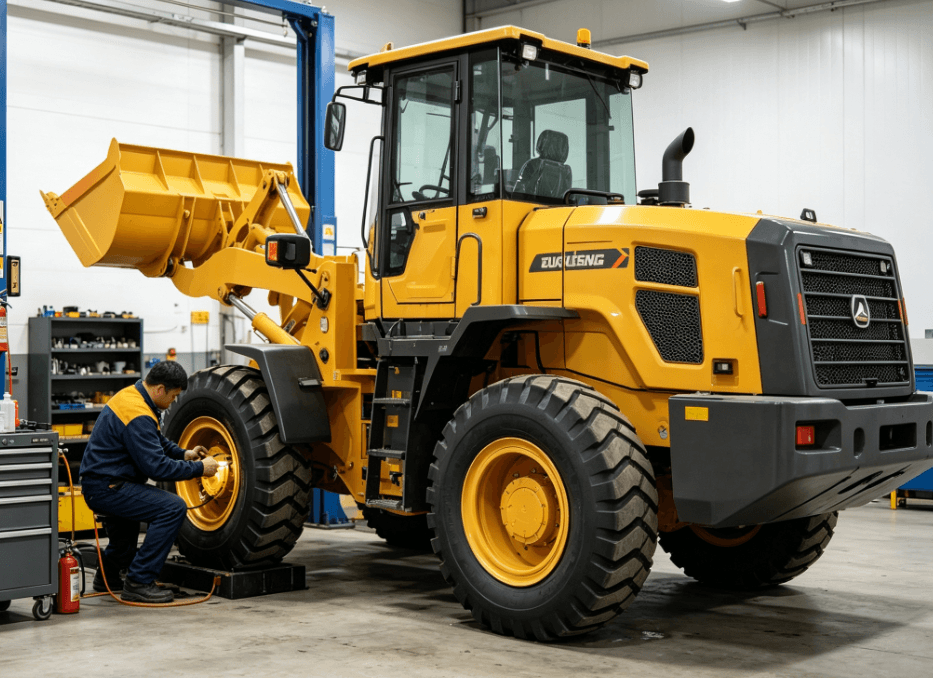
Fluid Analysis: The Foundation of Predictive Care
In industrial mining, oil is not just a lubricant; it is a diagnostic tool. Fluid analysis involves taking a small sample of oil or coolant and sending it to a lab to check for metallic particles.
For example, a high concentration of copper in the transmission oil might suggest a failing thrust washer. By identifying this “signature” early, maintenance teams can schedule a repair during a planned shutdown rather than waiting for the transmission to seize mid-tunnel. This process significantly reduces “mean time to repair” (MTTR) and protects the machine’s structural integrity.
Safety First: Compliance and Risk Mitigation
Maintenance in mining is strictly regulated by bodies such as MSHA (Mine Safety and Health Administration) in the U.S. or similar international standards. Safety protocols are built into the maintenance workflow.
Lock-Out/Tag-Out (LOTO): This is the absolute requirement to de-energize a machine before any technician works on it. This includes releasing stored pressure in hydraulic accumulators and ensuring the machine cannot be started or moved.
Documentation: Every service, from a simple grease job to a full engine overhaul, must be logged. This provides a “paper trail” for compliance and helps managers track the Total Cost of Ownership (TCO) for each asset.
Why Quality Parts Matter
When maintaining high-performance machinery, the temptation to use “will-fit” or low-quality aftermarket parts can be high. However, mining equipment operates under tolerances that generic parts often cannot meet. Utilizing OEM-spec components, particularly for critical systems like braking or steering, ensures the machine performs as the engineers intended.
For operations focusing on underground efficiency, sourcing specific LHD components and specialized mining loaders ensures that the equipment remains compatible with the rigorous demands of the subterranean environment.
FAQ
Q: How often should mining equipment be serviced?
A: Service intervals are typically measured in operating hours. Minor services (oil and filters) often occur every 250–500 hours, while major component overhauls may happen every 5,000–10,000 hours, depending on the environment and duty cycle.
Q: What is the most common cause of mining equipment failure?
A: Contamination (dirt, dust, and water) in the fuel and hydraulic systems is the leading cause of premature failure. Heat and vibration are secondary factors that accelerate wear.
Q: Can beginners perform mining maintenance?
A: Beginners can perform daily inspections and basic lubrication after proper safety training. however, specialized tasks like hydraulic pressure adjustments or engine diagnostics require certified technicians and specific tooling.
Q: Why is “greasing” so important in mining?
A: Greasing flushes out contaminants from pivot points. In a mine, grease acts as both a lubricant and a seal to keep abrasive rock dust out of the machine’s joints.
Reference Sources
- MSHA (Mine Safety and Health Administration): Equipment Maintenance Safety Standards
- ISO 14224: Petroleum, petrochemical and natural gas industries — Collection and exchange of reliability and maintenance data for equipment
- Caterpillar Performance Handbook: Industry-standard for machine life cycles and maintenance estimations.
- SGS Oil Condition Monitoring: Technical Guide to Fluid Analysis