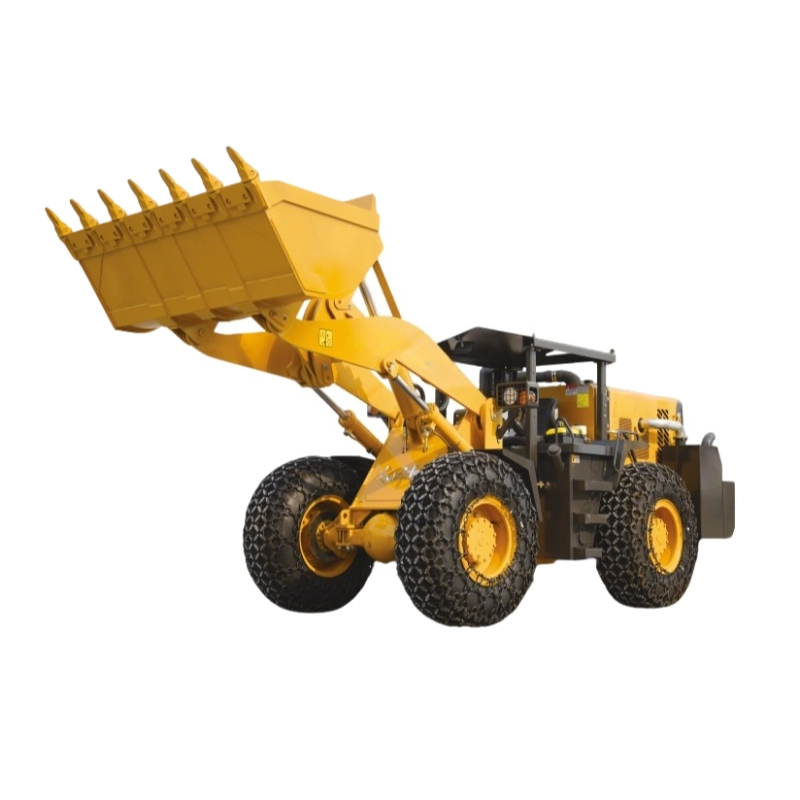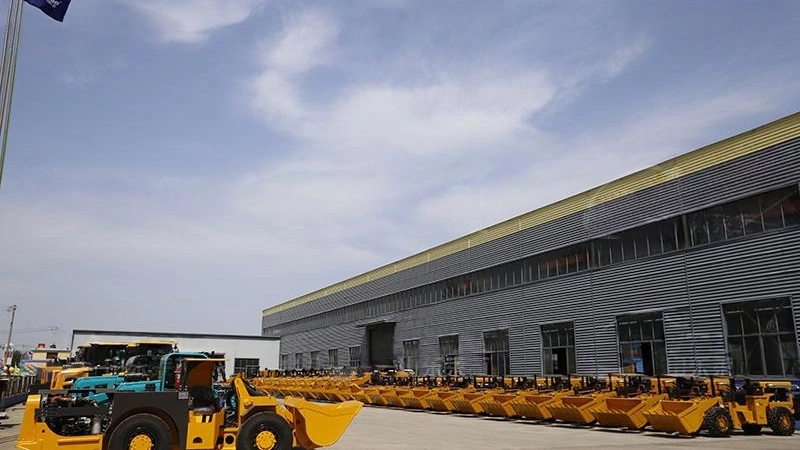
Understanding Underground LHD Loader Capacity and Performance
In underground mining, the Load-Haul-Dump (LHD) machine is the heartbeat of production. Choosing the correct underground LHD loader capacity is not merely a matter of picking the largest bucket available; it is a complex engineering decision that balances geological constraints, material density, and cycle-time requirements. An undersized loader creates bottlenecks at the face, while an oversized machine leads to excessive tire wear, increased ventilation costs, and potential structural damage to mine drifts.
To optimize a mining operation, engineers must distinguish between theoretical capacity and effective tramming capacity. This guide breaks down the technical variables that define LHD performance and how these metrics translate to real-world tons-per-hour.
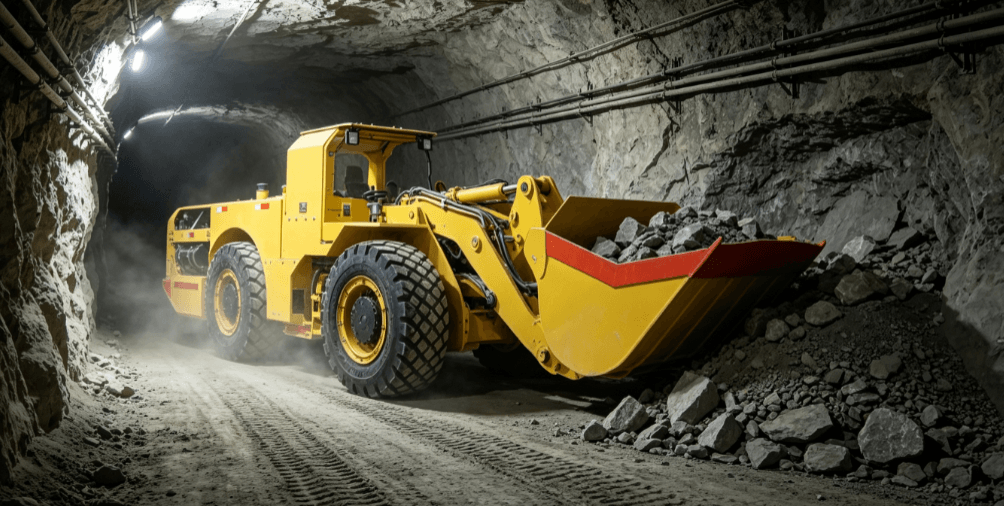
The Technical Definition of LHD Capacity
When discussing capacity in the context of an underground LHD, we generally refer to three distinct metrics. Each plays a different role in equipment longevity and productivity:
- Tramming Capacity (Payload): This is the rated weight the machine is designed to carry safely over distance. Unlike surface loaders, LHDs often operate on steep declines or inclines; therefore, tramming capacity is calculated to ensure the machine remains stable and the braking system can manage the load under G-force shifts.
- Static Tipping Load: This represents the weight at which the rear wheels of the LHD begin to lift off the ground when the bucket is fully loaded and at maximum reach. For safety and hydraulic health, the rated tramming capacity is typically 50% of the static tipping load.
- Bucket Volumetric Capacity: Measured in cubic meters (
m3m3), this defines the physical space within the bucket. It is categorized into “Struck” (level with the bucket edges) and “Heaped” (including the mound of material on top).
Why Material Density Dictates Bucket Selection
A common error in equipment procurement is assuming a 14-ton LHD will always move 14 tons. The missing variable is the Specific Gravity (SG) of the blasted rock.
In high-density gold or iron ore mines, a standard bucket might reach its weight capacity long before it is physically full. Conversely, in lower-density environments like salt or potash, a standard bucket may be physically full while the machine is significantly under its rated weight capacity. This discrepancy requires “Right-Sizing” the bucket—using high-capacity buckets for light materials and heavy-duty, reinforced rock buckets for high-density ores to protect the Z-linkage and hydraulic cylinders from premature fatigue.
Performance Metrics Beyond the Payload
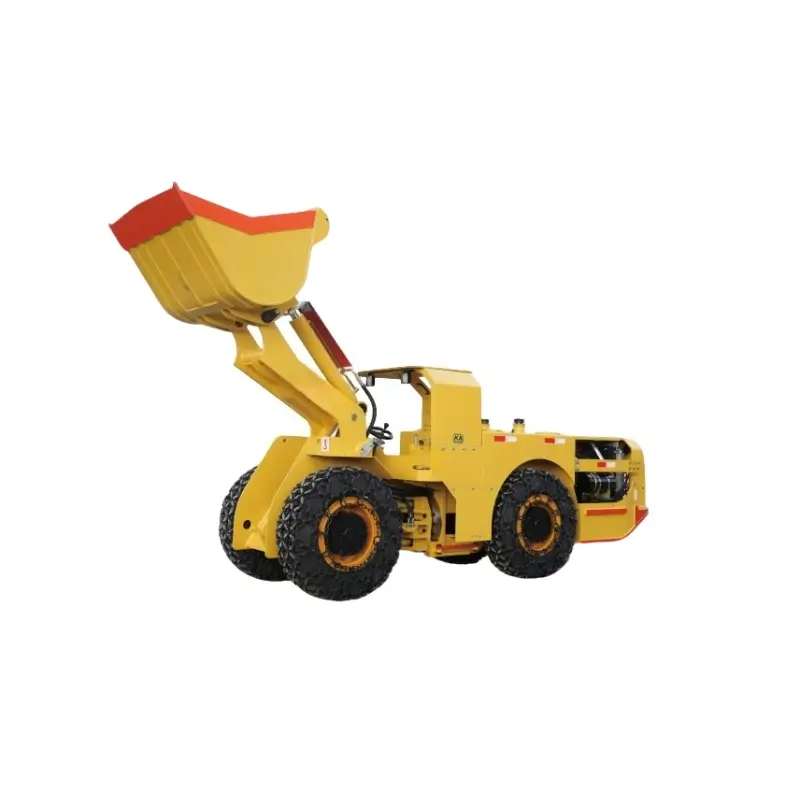
While capacity gets the most attention, the machine’s ability to fill that capacity quickly—its performance—is driven by several mechanical subsystems:
- Breakout Force: This is the vertical upward force the bucket can exert using its tilt and hoist cylinders. High breakout force is critical for “penetrating the muckpile,” ensuring the bucket achieves a high fill factor in fewer passes.
- Hydraulic Cycle Times: The speed at which a loader can lift, tilt, and dump significantly impacts the total cycle time. Advanced LHDs utilize variable displacement pumps that prioritize flow to the steering or the lift arm based on real-time demand, reducing wasted energy.
- Traction Control and Drivetrain: Underground environments are often slick or muddy. Machines equipped with automatic spin prevention or independent hydrostatic drives maintain higher “rim pull”—the actual force available at the wheels to push into the rock—without damaging the tires.
Integration with Mine Geometry
The performance of an LHD is capped by the “envelope” in which it operates. An LHD’s capacity must be synchronized with the drift dimensions (width and height) and the haulage fleet (trucks).
- The 3-Pass Rule: In an efficient operation, the LHD capacity should ideally be matched to the underground haul truck such that the truck is filled in three to four passes. If it takes six passes, the truck sits idle too long; if it takes two, the shock loading on the truck’s suspension may be excessive.
- Turning Radius: High-capacity loaders are inherently longer. If the mine’s turning radius at cross-cuts is too tight, the machine will be forced to slow down, neutralizing any gains made by a larger bucket.
Advanced Cooling and Emission Constraints
Performance in underground mining is inextricably linked to the environment. A high-capacity diesel LHD generates significant heat and DPM (Diesel Particulate Matter).
Modern LHD designs, such as those found in the Mineloaders LHD category, focus on engine efficiency and cooling package modularity. Tier 3 or Stage V engines with advanced scrubbers ensure that the machine can maintain peak performance without exceeding the mine’s ventilation capacity. In deep-level mining, the heat rejection of the machine often becomes the limiting factor for how many hours per day the loader can operate at full capacity.
Technical Comparison: Typical LHD Capacity Classes
| LHD Class (Tons) | Typical Engine Power (kW) | Ideal Application | Drift Size Compatibility |
| 1.5 – 3.0 | 40 – 60 | Narrow vein mining, exploration | 2.0m x 2.0m |
| 5.0 – 7.0 | 120 – 150 | Medium-scale production, development | 3.0m x 3.0m |
| 10.0 – 14.0 | 190 – 250 | Large-scale stoping, mass excavation | 4.5m x 4.5m |
| 17.0 – 25.0 | 300+ | Block caving, ultra-high production | 5.5m+ x 5.5m |
Operational Considerations for Long-Term Capacity
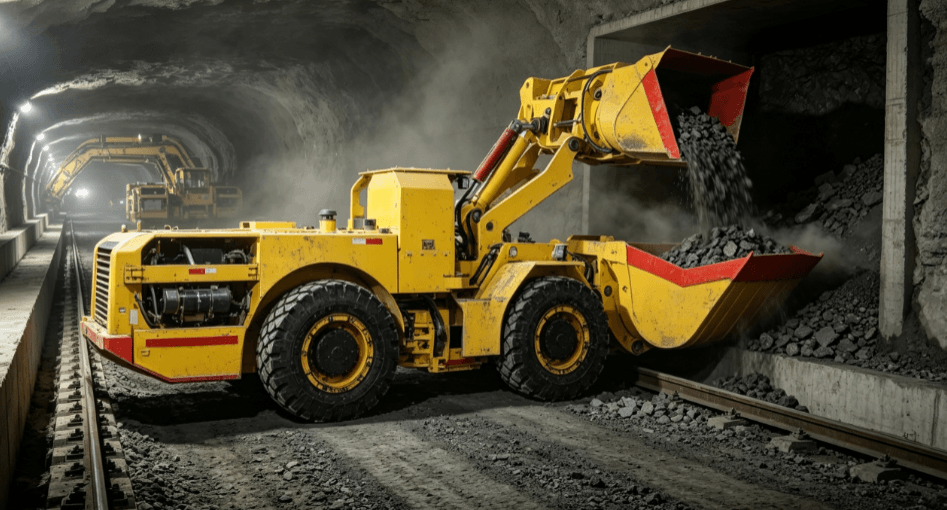
To maintain the rated performance of an LHD over its 10,000 to 15,000-hour lifespan, maintenance protocols must focus on the pivot points and the oscillating hitch. The hitch is the most stressed component of an LHD; it carries the weight of the loaded bucket while allowing the machine to articulate and oscillate over uneven ground.
Frequent ultrasonic testing of the hitch pins and regular replacement of GET (Ground Engaging Tools) on the bucket ensure that the machine’s penetration force remains high. Worn bucket lips increase resistance, which leads to higher fuel consumption and reduced fill factors—essentially lowering the machine’s effective capacity.
FAQ
Q: How does the “Fill Factor” affect LHD productivity?
A: The fill factor is the ratio of the actual volume of material in the bucket compared to its rated capacity. A fill factor of 0.9 (90%) is considered excellent. If the fill factor is consistently low (e.g., 0.6), it suggests the bucket geometry is poorly suited for the muckpile fragmentation or the material density is higher than planned.
Q: Can I increase the capacity of my LHD by installing a larger bucket?
A: While a larger bucket increases volume, it may exceed the machine’s rated tramming capacity. This puts undue stress on the hydraulic system, increases tire heat (leading to blowouts), and voids many OEM warranties. Capacity increases should only be done in consultation with engineers to ensure the tipping load margin remains safe.
Q: What is the difference between mechanical and hydrostatic drives in LHD performance?
A: Mechanical drives (torque converters) are generally more efficient for long-distance hauling on flat ground. Hydrostatic drives offer better torque control at low speeds and superior “rim pull” for bucket loading, which can improve cycle times in short-haul, high-intensity loading scenarios.
Q: How does altitude affect underground LHD performance?
A: In high-altitude mines, naturally aspirated engines lose power due to thinner air. Even turbocharged engines may require derating. This reduced power affects the hydraulic flow and the machine’s ability to climb ramps at full capacity, necessitating a larger engine or a smaller payload.
Reference Sources
- ISO 14397-1: Earth-moving machinery — Loaders and backhoe loaders — Part 1: Calculation of rated operating load and test method for verifying calculated tipping load.
- CIM (Canadian Institute of Mining, Metallurgy and Petroleum): Guidelines for Underground Mining Equipment Selection and Optimization.
- SME (Society for Mining, Metallurgy & Exploration): Mining Engineering Handbook, Chapter on Underground Loading and Haulage.
- MSHA (Mine Safety and Health Administration): Technical reports on Diesel Particulate Matter (DPM) and ventilation requirements for underground mobile equipment.