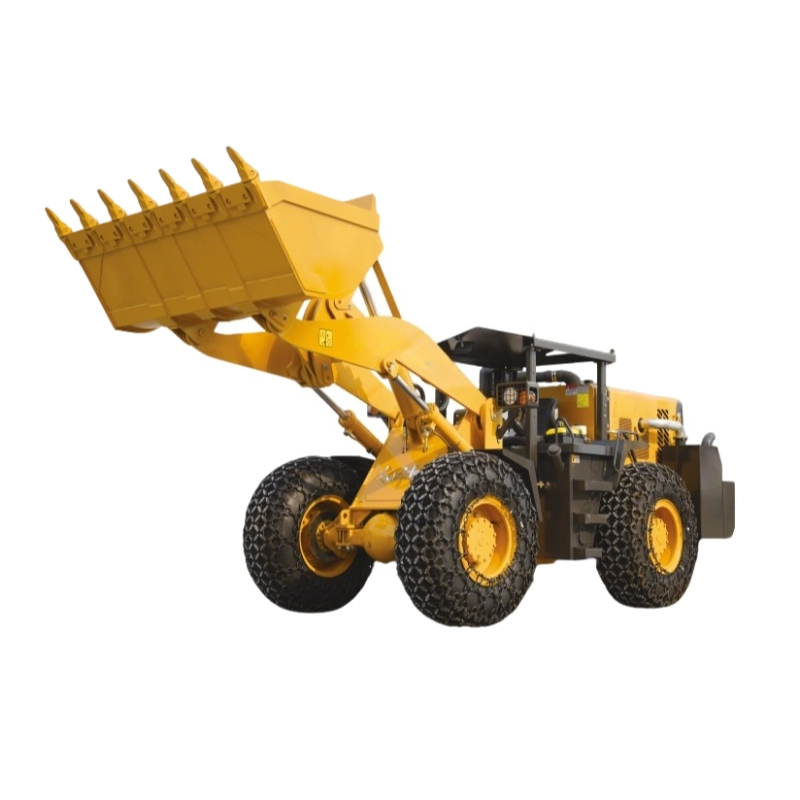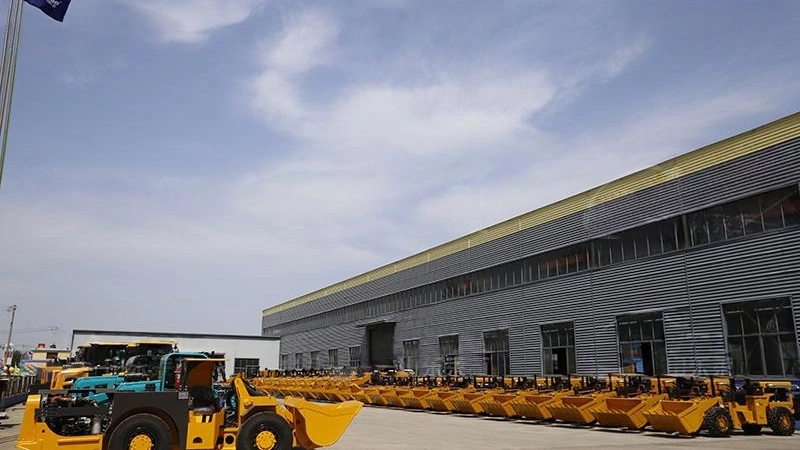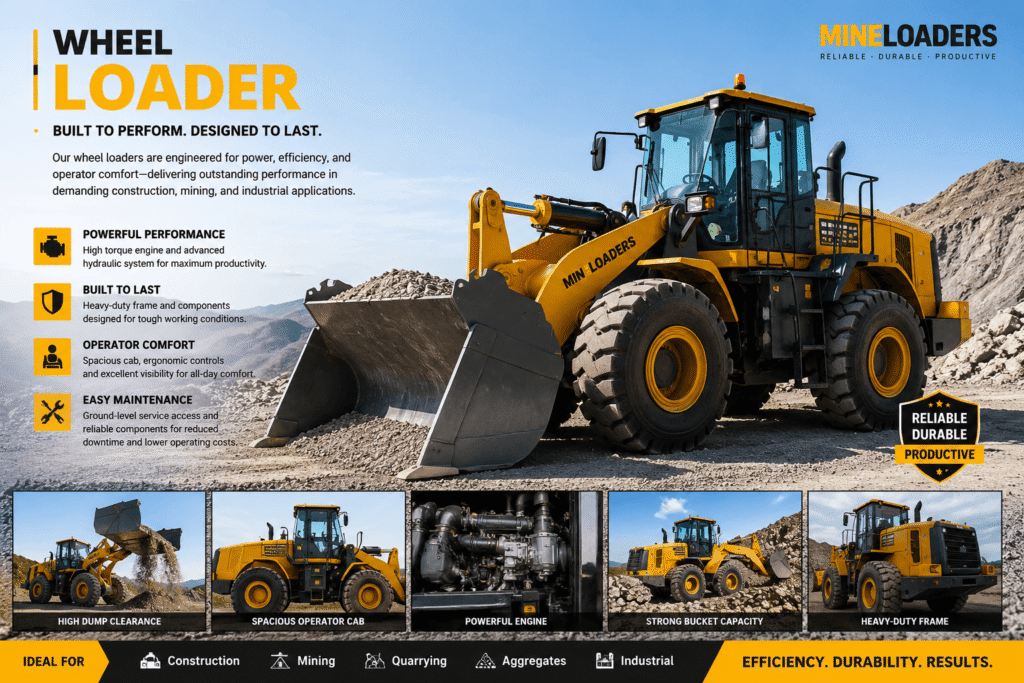
Load, Haul, Dump (LHD) loaders are specialized earthmoving machines. They are engineered specifically for subterranean mining operations. These machines manage the heavy lifting after blasting processes.
Understanding how underground LHD works is essential for mining engineers. It involves kinematics, hydraulic power, and specialized drivetrains. These vehicles must navigate extremely narrow, dark, and uneven tunnel environments.
Unlike standard construction equipment, LHDs feature an ultra-low profile. This allows them to operate in confined drifts without compromising payload capacity. Their design prioritizes breakout force and maneuverability over top speed.
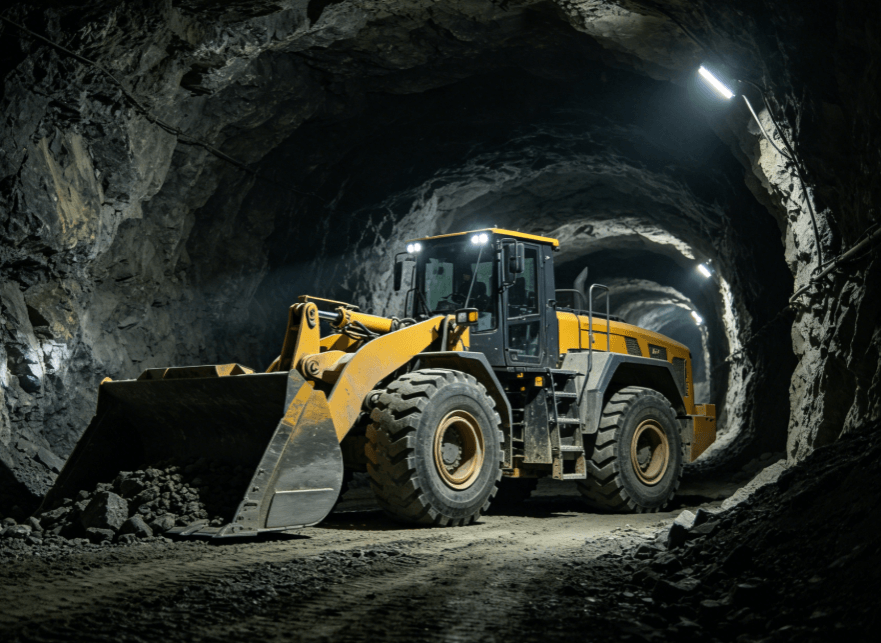
What Is an Underground LHD Loader?
An underground LHD is a heavily reinforced, articulated wheel loader. It is built to transport fragmented rock, known as muck, from the mining face. These machines act as the primary material handling solution in hard rock mining.
To understand how an underground LHD works, we must examine its structural anatomy. Standard configurations include a front-mounted bucket and a central articulation joint. The entire chassis is designed specifically for subterranean clearances.
Key technical components of an LHD include:
- Articulated Chassis: Allows the machine to bend in the middle for tight turning.
- Hydraulic Kinematics: Heavy-duty cylinders that control bucket tilt and lifting.
- Specialized Powertrain: Engine or motor configurations optimized for low-oxygen environments.
- ROPS/FOPS Cabin: Reinforced operator structures built to ISO 3471 safety standards.
- Exhaust Scrubbers: Essential for diesel models to reduce particulate matter.
Standard mining loaders require high ceiling clearances to function. In contrast, LHDs are compact and horizontally elongated to fit narrow vein profiles.
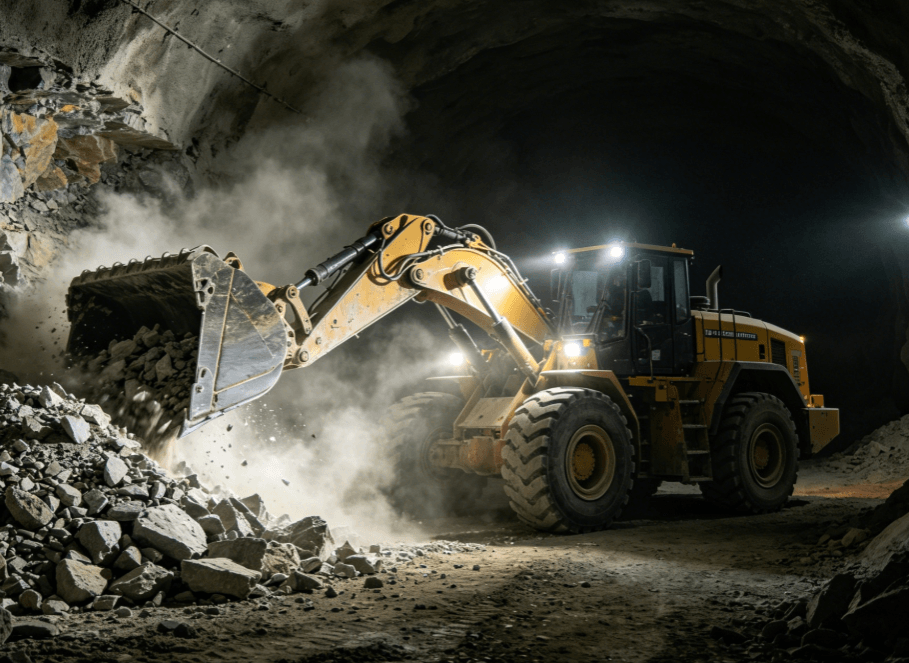
How Underground LHD Works: The Operational Cycle
The primary function of an LHD is defined by its name. The workflow is split into three distinct mechanical phases. This cycle repeats continuously during a shift.
- Loading (Mucking): The machine approaches the blast face or drawpoint. The operator utilizes hydraulic thrust to drive the bucket into the rock pile. High breakout force is applied to scoop the dense ore efficiently.
- Hauling (Tramming): Once loaded, the boom is lowered completely. This lowers the center of gravity, ensuring machine stability. The LHD navigates the tunnel network using its central articulated steering joint.
- Dumping: The LHD reaches the discharge point, such as an ore pass. The hydraulic cylinders extend rapidly to tilt the bucket downward. The rock is discharged, and the machine reverses to repeat the cycle.
This repetitive process subjects the chassis to immense torsional stress. Proper hydraulic fluid maintenance is crucial to prevent system failure during the cycle.
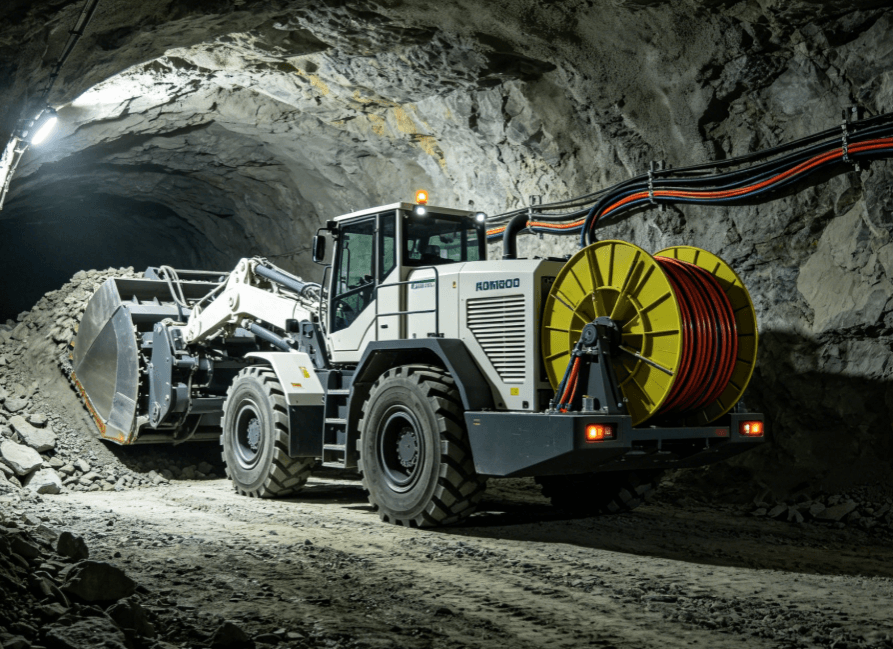
Powertrain Mechanics: Combustion vs. Electric Systems
Modern LHDs utilize two primary drive systems to generate torque. Each type addresses specific environmental constraints found in subterranean shafts. The choice of powertrain heavily influences the required mine ventilation infrastructure.
| Feature | Internal Combustion LHD | Electric LHD |
| Power Source | Diesel engine | Trailing cable or battery |
| Ventilation Load | High (Requires active airflow) | Low (Zero local emissions) |
| Mobility Range | Unrestricted | Limited by cable length |
| Target Application | Large, highly active mines | Deep-vein, enclosed shafts |
Internal combustion scrapers rely on specially tuned diesel engines. For example, equipment like the WJ-1 and WJ-2 underground internal combustion scrapers are highly mobile. They utilize exhaust scrubbers to meet strict air quality regulations.
Alternatively, some mines deploy electric drive systems. A WJD-1 underground electric scraper is tethered to a high-voltage power source. This completely eliminates tailpipe emissions, making it ideal for shafts where ventilation is restricted.
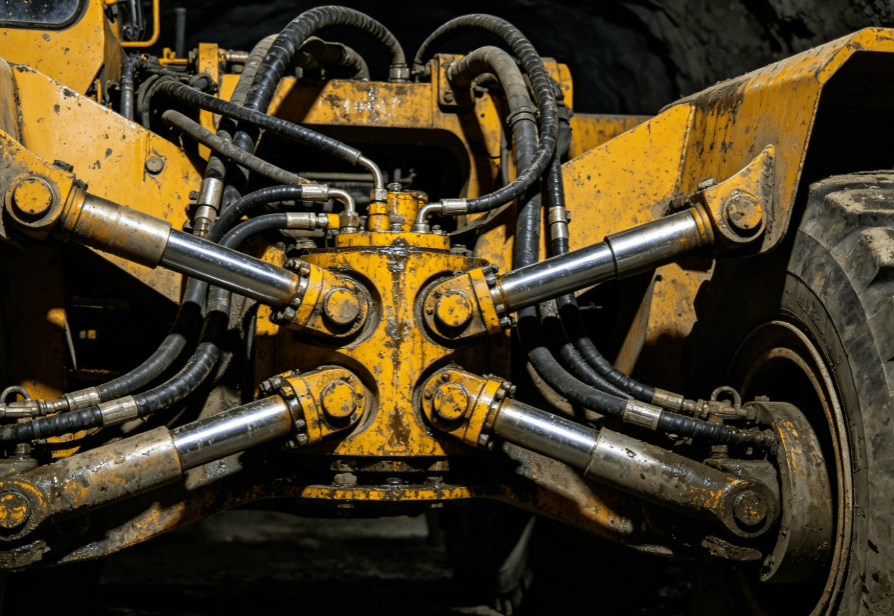
Hydraulic Kinematics and Articulated Steering
The hydraulic system operates as the central nervous system of an LHD. It dictates how the machine interacts with the heavy ore. High-pressure hydraulic pumps drive both the steering mechanisms and the working attachments.
Articulated steering is achieved via central hydraulic cylinders. These cylinders physically pivot the front half of the machine against the rear. This design allows the bucket to swing independently of the rear axle.
When navigating tight corners, the rear wheels trace the exact path of the front wheels. This reduces tire wear and prevents collisions with tunnel walls. Heavy-duty tire compounds are required to withstand the abrasive rock floors.
Bucket control relies on a robust Z-bar or specialized linkage system. This linkage mechanically multiplies the hydraulic force. It provides the immense breakout torque needed to tear through compacted muck piles.
Performance Limitations and Operating Tolerances
In real-world engineering, LHDs face strict operational limits. Equipment dimensions are strictly dictated by the mine’s drift profiles. Clearance tolerances are often measured in mere inches.
Thermal management is a critical limiting factor. Deep underground mines suffer from high ambient temperatures. This severely limits the cooling efficiency of engine radiators and hydraulic heat exchangers.
Material density also directly impacts operational load limits. The specific gravity of the ore determines how much the bucket can carry. Heavy metallic ores require smaller bucket volumes to avoid exceeding hydraulic lifting capacities.
Safety compliance cannot be compromised in these environments. Cabins must endure potential rockfalls, necessitating ROPS and FOPS structures. Manufacturers strictly test these steel frames to ensure operator survivability.
Maintenance and Component Longevity
Preventative maintenance dictates the actual lifespan of an underground LHD. The harsh, abrasive environment accelerates component degradation significantly. Daily structural inspections are a mandatory part of the operational workflow.
Greasing the central articulation joint prevents premature bearing failure. The hydraulic hoses are wrapped in protective Kevlar sleeves to prevent rock abrasion. If a critical hose bursts, the machine becomes instantly immobilized.
Tire management represents a massive operational expense for mining sites. LHD tires are often filled with specialized foam instead of compressed air. This eliminates the risk of explosive blowouts from sharp rock fragments.
Proper payload distribution affects the entire drivetrain longevity. Overloading an LHD accelerates wear on the axles and transmission components. Operators must calculate optimal fill factors based on rock fragmentation sizes.
FAQ
What does LHD stand for in mining?
LHD stands for Load, Haul, Dump. It refers to specialized, low-profile loaders used to transport fragmented ore in underground mining environments.
How does an underground LHD differ from a regular wheel loader?
Standard machines like the ZL20E double arm explosion-proof loader operate in standard clearances. An LHD features an ultra-low profile and is elongated to fit extremely confined tunnel operations.
Why do LHDs use articulated steering?
Articulated steering allows the machine to bend in the middle. This creates a much smaller turning radius. It enables the LHD to navigate narrow, winding drifts without colliding with walls.
What power systems do underground LHDs use?
They generally use diesel engines equipped with exhaust scrubbers or electric motors. Electric versions can be battery-powered or tethered via trailing cables to reduce mine ventilation loads.
How is breakout force generated in an LHD?
Breakout force is generated through high-pressure hydraulic cylinders. These cylinders are connected to a reinforced mechanical linkage system. This setup multiplies the physical force applied to the bucket edge.
Reference Sources
- Centers for Disease Control and Prevention (CDC) – NIOSH Mining Safety. “Diesel Equipment in Underground Mines.” https://www.cdc.gov/index.html
- International Organization for Standardization (ISO). “ISO 3471: Earth-moving machinery — Roll-over protective structures.” https://www.iso.org/home.html
- Mine Safety and Health Administration (MSHA). “Underground Metal and Nonmetal Mine Safety Standards.” https://www.msha.gov/