Importing mining equipment from China has become a practical option for many international mining companies looking for suitable machinery, flexible production solutions, and competitive procurement options.
However, importing heavy mining machinery is not simply about finding a supplier and placing an order. Successful procurement requires careful planning, including defining equipment requirements, evaluating suppliers, confirming technical specifications, arranging inspections, and preparing transportation and commissioning plans.
For international buyers, the biggest challenges are often not only equipment selection but also communication, quality verification, logistics coordination, and long-term service support.
This guide explains the key steps involved in importing mining equipment from China and the factors buyers should consider before making a purchasing decision.
Step 1: Define Your Mining Equipment Requirements Before Importing
Before contacting suppliers, buyers should first understand their actual project requirements.
Different mining environments require different equipment configurations. A machine designed for one application may not be suitable for another due to differences in working conditions, material characteristics, site limitations, and maintenance capability.
Before requesting quotations, prepare a clear equipment requirement list covering:
- Mining application and operating purpose
- Required loading or transportation capacity
- Working environment, such as underground or open-pit mining
- Operating hours and expected workload
- Site conditions, including road conditions, tunnel dimensions, and working space
- Local maintenance resources and spare parts requirements
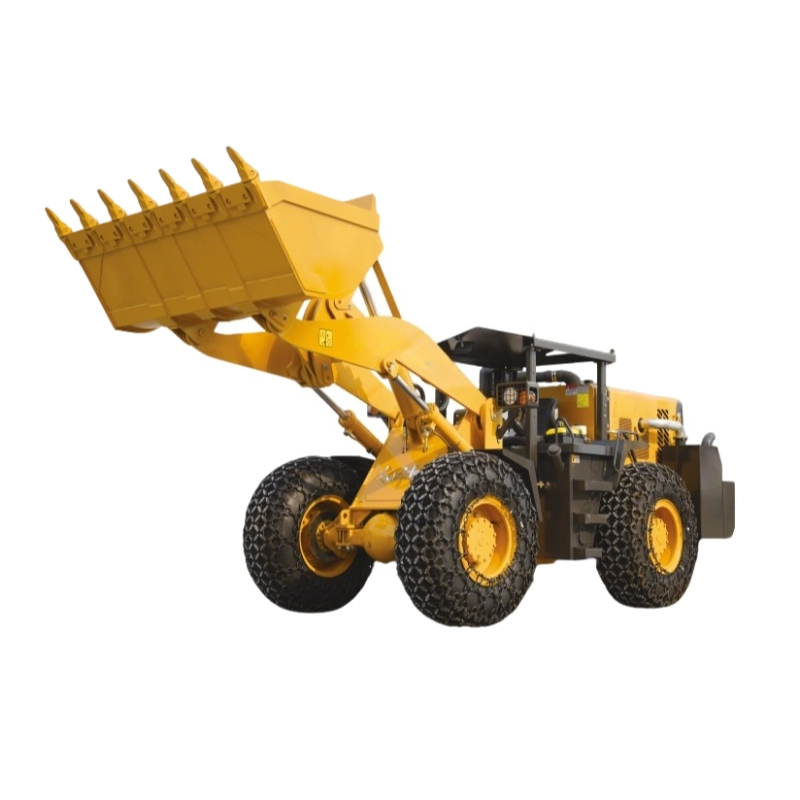
For example, underground mining operations usually require equipment designed for limited working spaces and demanding conditions. Buyers evaluating underground loading solutions can review suitable options through the mining equipment range and discuss specific requirements with the supplier.
A detailed requirement document helps suppliers provide more accurate recommendations and prevents misunderstandings during the quotation stage.
Step 2: Find and Evaluate a China Mining Equipment Supplier
Selecting the right supplier is one of the most important steps when importing mining machinery from China.
Many buyers initially focus on equipment prices, but supplier capability, production experience, and after-sales support can have a significant impact on the final project outcome.
When evaluating a potential China mining equipment supplier, buyers should check:
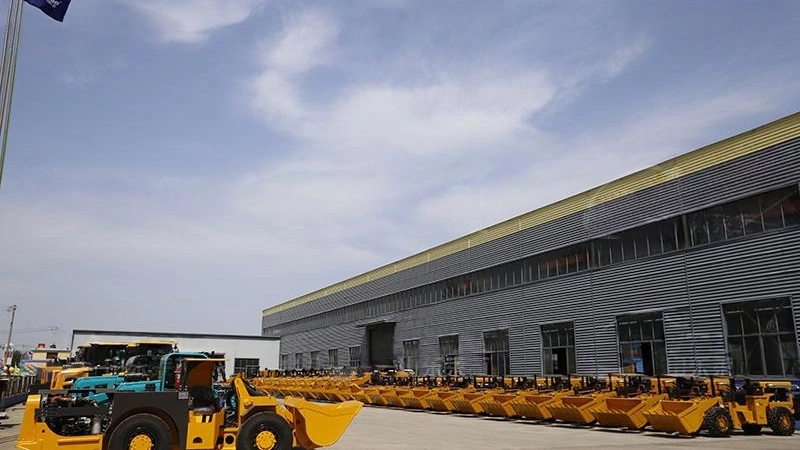
- Factory background and manufacturing capability
- Experience supplying overseas customers
- Product range and customization ability
- Quality control process
- Technical support capability
- Spare parts availability
- Previous project experience
A supplier website and product catalog can provide useful initial information, but buyers should further verify the supplier through technical discussions, factory information, equipment documentation, and project references.
For companies looking specifically for loading equipment, understanding how to evaluate a reliable mining loader supplier can help buyers compare suppliers based on manufacturing capability and application experience instead of only price.
A suitable supplier should be able to explain not only what equipment they provide but also why a specific configuration matches the buyer’s working conditions.
Step 3: Prepare a Detailed RFQ Before Requesting Quotes
A professional Request for Quotation (RFQ) is essential when purchasing mining equipment internationally.
A simple price request often results in unclear quotations because different suppliers may use different assumptions regarding configuration, accessories, and technical specifications.
A detailed RFQ should include:
- Equipment application and operating requirements
- Required capacity and performance expectations
- Technical specifications
- Machine dimensions and weight
- Standard configuration and optional components
- Spare parts recommendations
- Warranty information
- Delivery schedule
- Export documentation requirements
When comparing supplier quotations, buyers should evaluate the complete procurement value instead of focusing only on the initial equipment price.
Important comparison factors include:
- Equipment suitability for the project
- Manufacturing quality
- Delivery capability
- Spare parts support
- Technical communication efficiency
- Long-term maintenance considerations
A lower quotation may not always represent the best solution if the equipment configuration does not match the actual mining environment.
Step 4: Verify Factory Capability and Arrange Equipment Inspection
Before shipment, equipment verification is an important step to reduce purchasing risks.
International buyers should confirm that the final equipment matches the agreed specifications and that manufacturing quality meets the project requirements.
Common verification methods include:
- Online factory inspection
- Factory visits
- Third-party inspection services
- Factory acceptance testing (FAT)
During inspection, buyers should check:
- Equipment specifications match the purchase agreement
- Main components are correctly installed
- Accessories and spare parts are complete
- Testing records are available
- Technical documents are prepared
For mining equipment operating in challenging environments, safety requirements should also be considered during equipment acceptance.
The Mine Safety and Health Administration (MSHA) Powered Haulage Safety guidance provides information related to powered haulage safety practices in mining operations.
For underground mining projects, equipment operation, ventilation conditions, and maintenance planning should also be reviewed before final acceptance. The CDC/NIOSH Mining Program provides research resources related to mining safety and operational conditions.
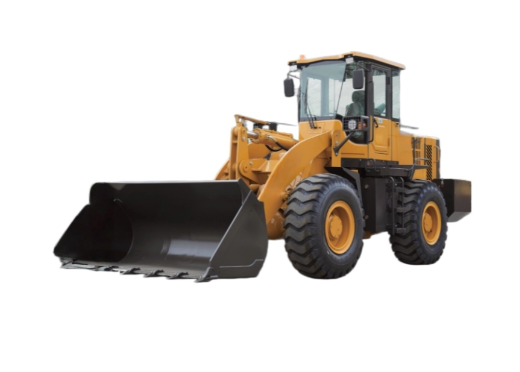
Step 5: Understand Shipping, Customs and Import Requirements
After equipment production and inspection are completed, transportation becomes the next important stage of the importing process.
Mining equipment is usually large, heavy, and requires careful logistics planning. The shipping method depends on equipment size, destination country, transportation distance, and local infrastructure conditions.
Before shipment, buyers should confirm:
- Shipping method and estimated transportation time
- Export documentation requirements
- Packaging requirements
- Port handling arrangements
- Inland transportation after arrival
- Customs clearance process
Common documents required for importing mining equipment may include:
- Commercial invoice
- Packing list
- Bill of lading
- Equipment manuals
- Certificate documents where applicable
- Spare parts list
For oversized mining machinery, buyers should also consider whether the equipment should be shipped as a complete unit or partially disassembled. This decision can affect transportation costs, unloading requirements, and installation time at the mine site.
Working with experienced suppliers and logistics partners can help reduce delays caused by incomplete documentation or unsuitable transportation arrangements.
A reliable supplier should provide clear export support and communicate the shipping process before production is completed.
Step 6: Plan Installation, Commissioning and After-Sales Support
Importing mining equipment does not end when the machine arrives at the destination.
Before delivery, buyers should prepare for installation, commissioning, operator training, and future maintenance.
Important preparation includes:
- Confirming unloading and lifting requirements
- Preparing installation space
- Checking tools and maintenance equipment
- Arranging operator training
- Preparing spare parts for initial operation
After commissioning, buyers should verify that:
- Equipment performance matches expected requirements
- Operators understand normal operation procedures
- Maintenance schedules are available
- Technical support channels are established
For mining companies purchasing equipment from overseas suppliers, after-sales capability is an important factor when choosing a manufacturer.
A supplier that provides technical documentation, spare parts support, and communication assistance can help reduce downtime during operation.
Buyers interested in reviewing available mining equipment models can visit the mining equipment product range to compare different equipment solutions.
Common Mistakes to Avoid When Importing Mining Equipment from China
Although importing mining machinery from China can provide various procurement opportunities, buyers should avoid several common mistakes.
Choosing Only Based on Price
The lowest quotation may not always provide the best long-term value.
Equipment reliability, maintenance requirements, spare parts availability, and supplier support should also be considered.
Not Providing Enough Project Information
Suppliers can only recommend suitable equipment when they understand the actual working conditions.
Missing information about capacity requirements, site limitations, or operating environment may result in unsuitable configurations.
Skipping Equipment Verification
Without proper inspection, buyers may face problems related to equipment specifications, missing components, or differences between agreed and delivered products.
Ignoring Long-Term Service Support
Mining equipment often operates in demanding environments. Access to spare parts, technical assistance, and maintenance support should be considered before purchasing.
Frequently Asked Questions
How long does it take to import mining equipment from China?
The timeline depends on equipment type, manufacturing schedule, inspection arrangements, shipping method, and customs procedures.
Standard equipment may require several weeks for production and transportation, while customized mining machinery may require a longer preparation period.
Buyers should confirm estimated delivery schedules with suppliers before placing orders.
How can I verify a mining equipment manufacturer in China?
Buyers can evaluate manufacturers through factory information, production capability, export experience, technical documentation, customer references, and equipment inspection.
Online communication and video factory inspections can provide initial verification, while third-party inspections can offer additional confirmation before shipment.
What documents should I request when importing mining equipment?
Common documents include commercial invoices, packing lists, shipping documents, equipment manuals, technical specifications, and spare parts information.
Additional documents may depend on destination country requirements and equipment application.
Is Chinese mining equipment suitable for overseas mining projects?
The suitability depends on the equipment design, supplier capability, project requirements, and operating environment.
Before purchasing, buyers should confirm that the equipment specifications, maintenance requirements, and support services match their mining conditions.
Should I buy directly from a manufacturer or through a trading company?
Both options have advantages.
Direct manufacturers may provide closer communication regarding technical details and customization, while trading companies may offer additional sourcing and export assistance.
The best choice depends on the buyer’s technical requirements, procurement experience, and project complexity.
Final Checklist Before Importing Mining Equipment from China
Before confirming an order, international buyers should review the following:
✓ Equipment specifications match project requirements
✓ Supplier manufacturing capability has been verified
✓ Technical documents have been reviewed
✓ Inspection requirements have been confirmed
✓ Shipping and customs arrangements are prepared
✓ Spare parts and maintenance plans are available
✓ After-sales support has been discussed
Importing mining equipment from China requires careful planning, but a structured procurement process can help international buyers make better decisions.
By clearly defining requirements, selecting a suitable supplier, verifying equipment quality, and preparing logistics and support plans, mining companies can reduce unnecessary risks and improve the success of overseas equipment purchasing.
References
- Mine Safety and Health Administration (MSHA) — Powered Haulage Safety
https://www.msha.gov/safety-and-health/safety-and-health-initiatives/powered-haulage-safety
Provides safety information related to powered haulage operations and risk control practices in mining environments.
- CDC/NIOSH — Mining Program
https://www.cdc.gov/niosh/research-programs/portfolio/mining.html
Provides research resources related to mining safety, occupational health, and operational risks in mining environments.
- CDC/NIOSH — Diesel Aerosols and Gases in Underground Mines
https://www.cdc.gov/niosh/publications/numbered/2012-101.html
Provides information related to diesel emissions and underground mining environments.