Selecting the right mining equipment is an important step before starting a new mining project or upgrading an existing operation. The equipment choice affects production efficiency, maintenance requirements, operating costs, and long-term project performance.
For international mining buyers, the selection process should begin with understanding site conditions, production targets, and equipment requirements rather than focusing only on machine price.
This guide explains the key factors to consider when evaluating mining equipment and how to prepare for supplier discussions before purchasing.
Key Factors to Consider When Selecting Mining Equipment
Mining operations vary significantly depending on the working environment, material type, transportation distance, and production requirements.
Before comparing equipment suppliers, buyers should evaluate several core factors.
Production Requirements and Operating Conditions
The first step is defining the expected production capacity and working conditions.
Important questions include:
- What is the required production output per day?
- How much material needs to be loaded or transported?
- What is the average working cycle time?
- Will the equipment operate continuously or intermittently?
A machine with higher capacity is not always the best option. In underground or limited-space environments, smaller equipment with better manoeuvrability may achieve higher overall efficiency.
For example, underground mining operations often require compact equipment with strong flexibility, while open-pit operations may prioritize higher payload and longer operating cycles.
Site Layout and Working Environment
The physical conditions of the mine site directly influence equipment selection.
Buyers should evaluate:
- Haul road conditions
- Working area dimensions
- Tunnel or drift width
- Ramp gradients
- Turning space
- Ground conditions
For underground applications, equipment dimensions are especially important. A machine that performs well in an open area may not be suitable for narrow underground passages.
This is why underground mining equipment selection usually requires more detailed site confirmation before ordering.
Equipment Capacity and Payload Matching
Payload is one of the most important specifications when comparing mining equipment.
However, rated capacity should always be evaluated together with:
- Travel distance
- Loading conditions
- Material density
- Cycle time
- Operator experience
Choosing equipment that is too small may increase cycle frequency and reduce productivity, while oversized equipment may create unnecessary operating costs and maintenance challenges.
Maintenance Support and Spare Parts Availability
Mining equipment operates in demanding environments, making maintenance planning essential.
Before purchasing, buyers should confirm:
- Spare parts availability
- Maintenance requirements
- Service support
- Component accessibility
- Local technical capabilities
A machine with reliable after-sales support can reduce downtime and improve long-term operating efficiency.
When comparing a mining equipment supplier, buyers should request detailed maintenance information instead of only comparing initial purchase prices.
Safety and Environmental Considerations
Safety requirements should be included during the equipment selection process.
According to guidance from MSHA Powered Haulage Safety, powered haulage equipment remains an important area requiring effective engineering controls, operating procedures, and safety management.
For underground diesel equipment, ventilation requirements and emission control should also be considered. CDC/NIOSH Mining Program provides research resources related to mining safety and occupational health.
Mining Equipment Selection Checklist
| Selection Factor | What Buyers Should Check | Why It Matters |
|---|---|---|
| Production capacity | Payload, cycle time, daily output | Ensures equipment matches project requirements |
| Machine dimensions | Width, height, turning radius | Confirms compatibility with site conditions |
| Working environment | Underground, open pit, rough terrain | Determines suitable equipment type |
| Maintenance | Spare parts and service support | Reduces downtime risks |
| Safety features | Operator protection and control systems | Supports safer operation |
| Supplier capability | Manufacturing experience and technical support | Helps ensure long-term cooperation |
Comparing Different Types of Mining Equipment
Different mining applications require different equipment solutions.
Underground Mining Equipment
Underground operations usually require compact machines with strong flexibility and durability.
Common considerations include:
- Limited working space
- Underground ventilation requirements
- Tight turning areas
- Continuous operation demands
For buyers evaluating underground equipment, understanding the difference between loaders, LHDs, and haulage equipment is important.
You can also review:
Mining Loaders
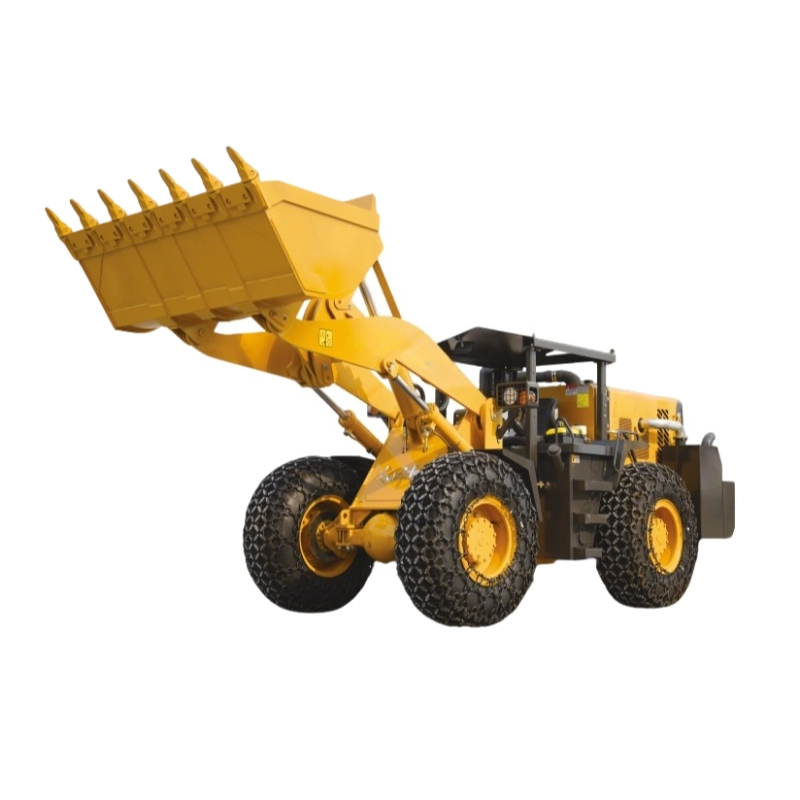
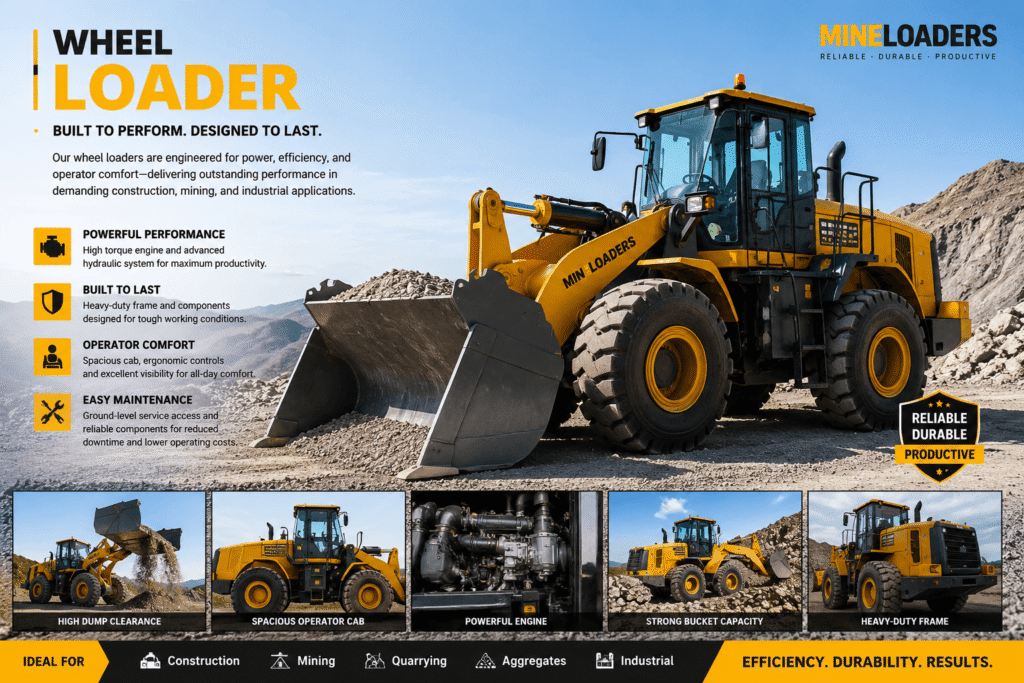
Mining loaders are commonly used for loading, transporting, and handling materials in mining operations.
When selecting a mining loader, buyers should compare:
- Bucket capacity
- Operating weight
- Engine power
- Ground clearance
- Working environment suitability
For more detailed purchasing considerations, related guides such as Mining Loader Supplier: How to Choose a Reliable Supplier and Mining Loader Manufacturer in China: What International Buyers Should Know can provide additional evaluation points.
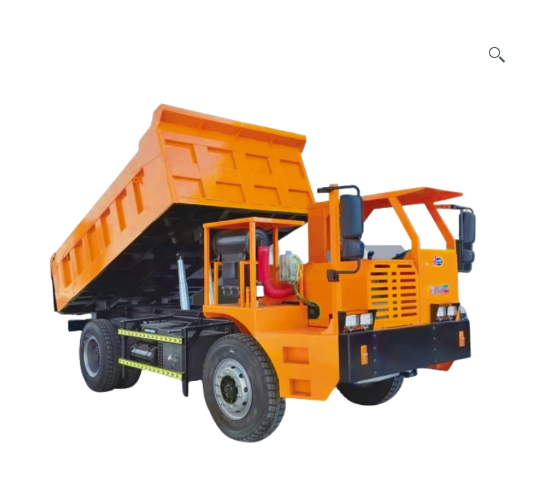
Mining Trucks
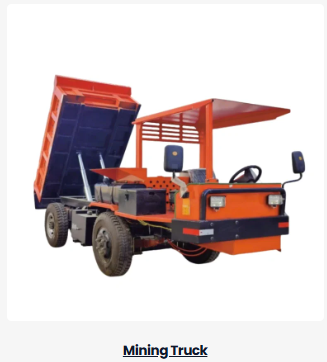
Mining trucks are mainly selected according to transportation distance, payload requirements, and site conditions.
Important specifications include:
- Payload capacity
- Driving conditions
- Maintenance requirements
- Fuel efficiency
For buyers planning a mining truck purchase, comparing supplier experience and machine configuration is essential.
Questions to Ask Before Contacting a Mining Equipment Supplier
Before sending an RFQ, prepare the following information:
- Mining application type
- Required equipment model
- Working environment
- Production requirements
- Operating hours
- Site limitations
- Delivery location
Providing detailed project information helps suppliers recommend more suitable configurations and reduces unnecessary communication.
How to Evaluate a Mining Equipment Supplier
A reliable supplier evaluation should include more than product pricing.
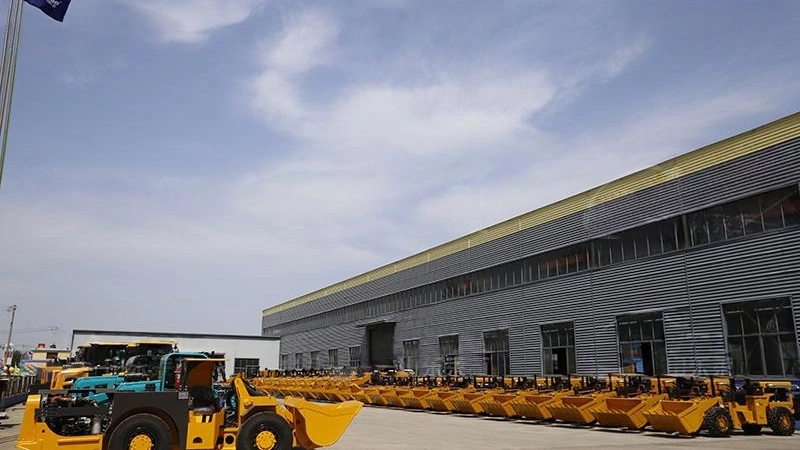
Manufacturing Experience
Check whether the supplier has experience producing similar equipment for international projects.
Product Range
A supplier with a complete mining equipment range may provide better matching solutions for different applications.
Technical Documentation
Request:
- Product specifications
- Operating manuals
- Maintenance information
- Testing records
Communication and Support
Good technical communication before purchase is important, especially for customized mining projects.
Conclusion
Mining equipment selection requires balancing production goals, site conditions, maintenance capability, and safety requirements.
Instead of choosing equipment based only on price, international buyers should evaluate whether the machine configuration matches their actual operating environment.
Preparing detailed project information and comparing suppliers carefully can help reduce procurement risks and improve long-term equipment performance.