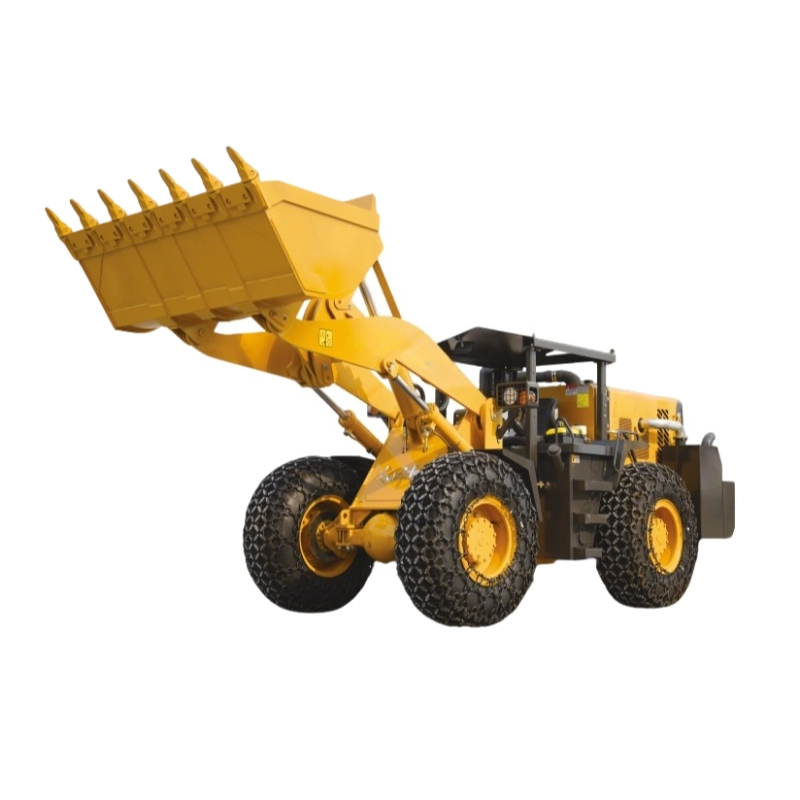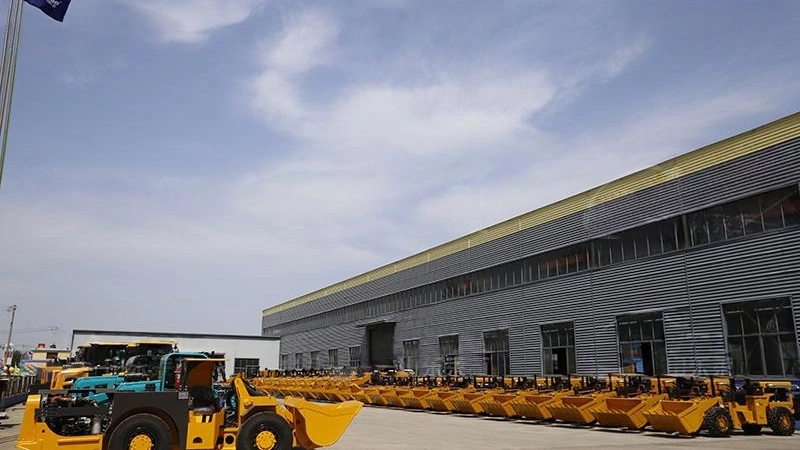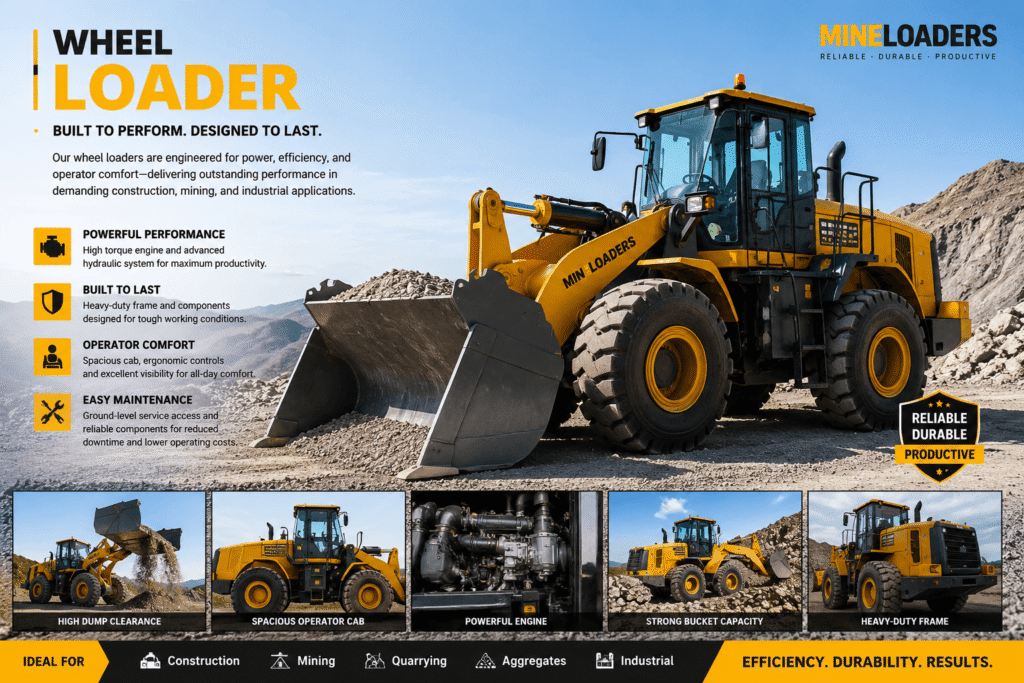
how to choose a mining loader is a frequent procurement question for underground operations. Choosing the right loader affects productivity, ventilation needs, maintenance planning and operator safety. This guide is practical: it lists the core selection factors, a comparison table of common trade-offs, and a site-confirmation checklist you can use when preparing an RFQ or running trials.
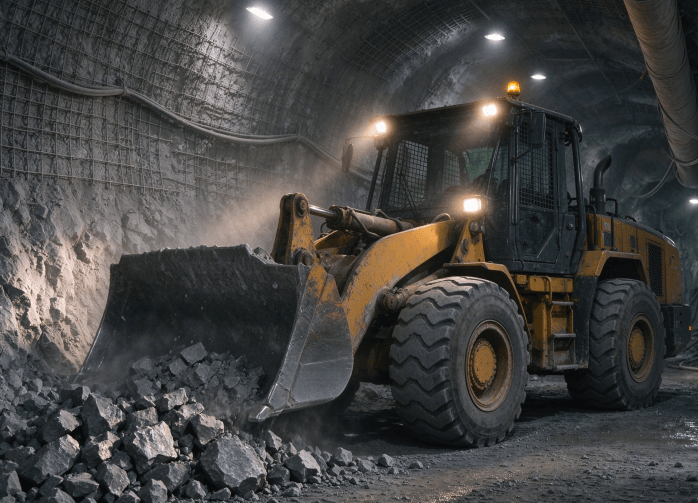
how to choose a mining loader: core selection factors
Begin by separating site constraints from operational targets. Site constraints include headings and drive geometry, ramp slope and width, ventilation capacity, and available service access. Operational targets include the required cycle time, average payload per pass, interaction with haulage units, and maintenance windows. Decisions made on these points determine the loader type, powertrain choice and working configuration.
Key buyer-oriented factors
- Job task: primary mucking, bench rehandling, secondary loading or mixed tasks.
- Payload compatibility: match loader bucket and rated payload to your haulage vehicles and cycle plan.
- Size and manoeuvrability: consider turning radius and articulated steering where headings are tight.
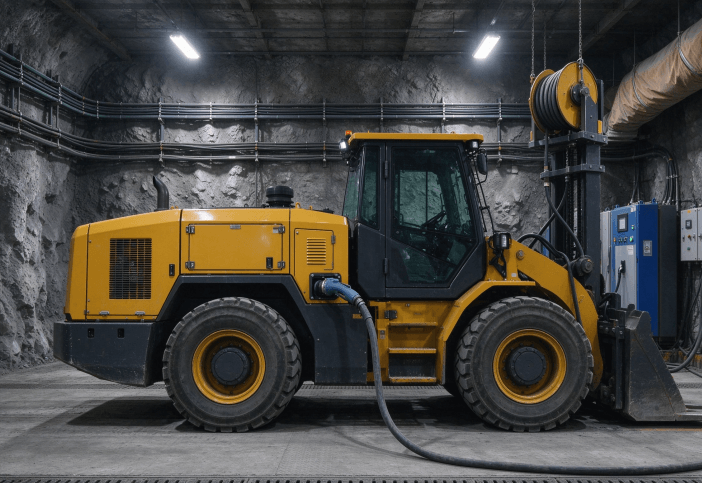
- Power source and emissions: diesel, electric tethered, battery or hybrid — each affects ventilation and charging infrastructure.
- Serviceability and parts support: ensure access for routine maintenance and availability of critical spare parts.
- Operator ergonomics and visibility: important for safety and productivity, and may reduce cycle times.
Equipment selection in underground loading and haulage is strongly linked to productivity and site constraints; match machine output to the mine’s cycle and infrastructure rather than choosing a machine on size alone [3].
Powertrain and ventilation considerations
Diesel machines influence mine ventilation demand and exposure to diesel aerosols and gases; this has implications for ventilation design, filter systems and exposure monitoring [4]. If diesel-powered equipment is considered, quantify the ventilation capacity required and plan for continuous monitoring, or consider electrically powered alternatives where the site can support charging or tethering systems. Local ventilation regulations and practical limits can drive the choice of power source [5].
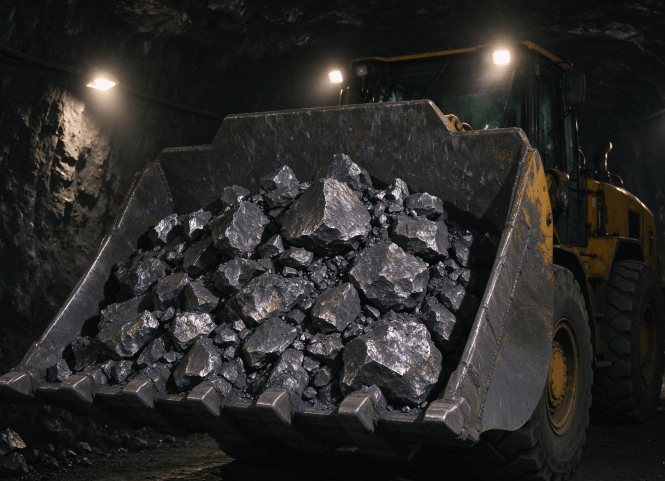
Decision and comparison table
| Selection criterion | Compact/Low-profile loaders | Standard underground loaders | High-capacity loaders |
|---|---|---|---|
| Typical application | Tight headings, low profile face work | General mucking and loading | High-production faces and truck loading |
| Maneuverability | High in restricted drives | Moderate | Lower in tight geometry |
| Ventilation impact | Lower due to smaller engine/outputs | Moderate | Higher; increases ventilation demand |
| Maintenance access | Easier in small workshops | Standard service bays | Requires larger handling facilities |
| Suitable for pairing with | Small haul trucks and conveyors | Medium haul trucks | High-capacity mining trucks |
Interpreting the table
Use the table to match loader type to your most limiting parameters: if headings are tight, prioritize low-profile and manoeuvrability; if primary goal is maximum tonnes per face, prioritize capacity and integrate with haulage planning.
RFQ and site-confirmation checklist
Before issuing an RFQ or accepting a proposal, confirm these site-specific items with the OEM and mine engineering team. Mark any items that require a site measurement or trial.
| Item | Action required | Decision type |
|---|---|---|
| Heading height and width | Measure minimum clearances and confirm with OEM drawings | Site-confirmation |
| Ramp slope and turn radii | Survey ramps; provide geometry to OEM | RFQ/specification |
| Target payload and cycle time | Document desired tonnes per hour and cycle expectations | Specification |
| Powertrain choice and charging/ventilation capacity | Confirm ventilation capacity and electrical infrastructure | Site/OEM confirmation |
| Service access and lifting equipment | Verify underground workshop limits and lifting points | Site-confirmation |
| Attachment and bucket compatibility | Define material type and required bucket geometry | RFQ/specification |
| Operator visibility and controls | Arrange cab inspection or trial | Site-confirmation |
| Spare parts and support lead times | Obtain local parts stock and support details | RFQ/OEM confirmation |
Where haulage is powered, integrate loader selection with powered-haulage safety and maintenance planning; coordination reduces interaction hazards and downtime [1].
Operational trial and acceptance
A short site trial under real loading and haulage conditions (if available) will reveal practical issues: cycle interactions, muck flow characteristics, bucket fill factor, and ventilation response. Use measured cycle times and fuel/electric consumption as inputs to lifecycle operating cost analysis rather than relying on advertised figures.
Supplier product note
When preparing an RFQ, you may refer to supplier product listings for example models and to identify suppliers that list mining loader lines. For example, one supplier product page lists Mining Loader items labelled LT633, LT636, LT640, LT656, and LT660 and a range of mining transport vehicles; use such listings to identify potential vendors and then request detailed configuration data and drawings during RFQ [site-confirmation required].
FAQs
What ventilation data should I provide when requesting quotes?
Provide current ventilation airflow rates, existing diesel particulate and gas monitoring results if available, and any regulatory ventilation limits the mine must meet. This allows OEMs to advise on engine emission options, after-treatment systems or electric alternatives and to estimate the ventilation uplift required for diesel units [4][5].
How do I match a loader to my haulage fleet?
Match loader bucket size and rated payload to the haulage vehicle payload and the desired cycle plan. Consider the time to load the haul unit and the number of passes per hour; mismatches can create bottlenecks. Coordinate with haulage planners and include communication protocol and loading position in the RFQ.
Are electric loaders always better for underground use?
Electric powertrains reduce local emissions and can lower ventilation requirements, but they demand suitable electrical infrastructure and charging or tethering solutions. Evaluate total lifecycle impacts, site electrical capacity, duty cycles and maintenance capabilities before assuming electric is the preferred solution [4].
What are the common maintenance access mistakes to avoid?
Designs that restrict access to routine service points increase downtime. Confirm hood opening, filter access, tyre or track removal procedures, and availability of lifting points for component replacement. Include these checks in the RFQ and consider conditioned workshop space underground.
How important are operator training and ergonomics?
Operator familiarity affects cycle times and safety. Prioritise cab ergonomics, visibility, simple controls and availability of simulation or trainer units. Plan for operator training as part of the equipment acceptance programme.
Commercial CTA: To review available mining loader lines and discuss site requirements, see the supplier construction and mining equipment range for model listings and to request configuration details.
Scope note: final configuration, dimensions, capacity, documentation, price, lead time and site fit require RFQ/OEM/mine confirmation. Do not use this draft alone to specify equipment—confirm all technical details with the OEM and verify site measurements prior to purchase.
For a product-page starting point, review the construction and mining equipment range and request application-specific confirmation.
When comparing options, use how to choose a mining loader as a checklist topic rather than a promise of a particular machine outcome. Record the operating conditions, material, route restrictions, maintenance resources, and safety controls that the supplier or OEM must confirm in writing.
Additional buyer checks before final selection
Before comparing quotations, document the normal and peak duty cycle, material condition, available working envelope, haul or travel route, operator interface, planned inspection process, and service access. Ask each respondent to state the assumptions used for its recommendation and to identify any attachments, optional systems, or operating limits that could change the final configuration. This makes it easier to compare proposals on a like-for-like basis and to plan a practical commissioning review.
Procurement teams should also separate facts that are published by a supplier from items that require project-specific validation. Request drawings, operating documentation, maintenance requirements, and the applicable safety or regulatory information for the intended jurisdiction. If the machine will work alongside other mobile equipment, include traffic management, visibility, communication, and training considerations in the site review. These checks support a more complete RFQ without implying that a generic article can replace an engineering assessment or the mine’s own safety process.