Selecting the right mining haul truck is a critical capital expenditure that dictates the long-term operational efficiency of any mining project. Whether navigating the tight confines of an underground decline or the expansive haul roads of an open-pit mine, the truck you choose impacts cycle times, fuel consumption, and maintenance overhead.
This guide analyzes the technical specifications, drive systems, and operational parameters necessary for procurement teams and mine engineers to evaluate mining haul trucks for sale.
Core Classifications of Mining Haul Trucks
Mining trucks are not “one size fits all.” They are engineered for specific geological environments and haulage volumes. Understanding these categories is the first step in narrowing your procurement list.
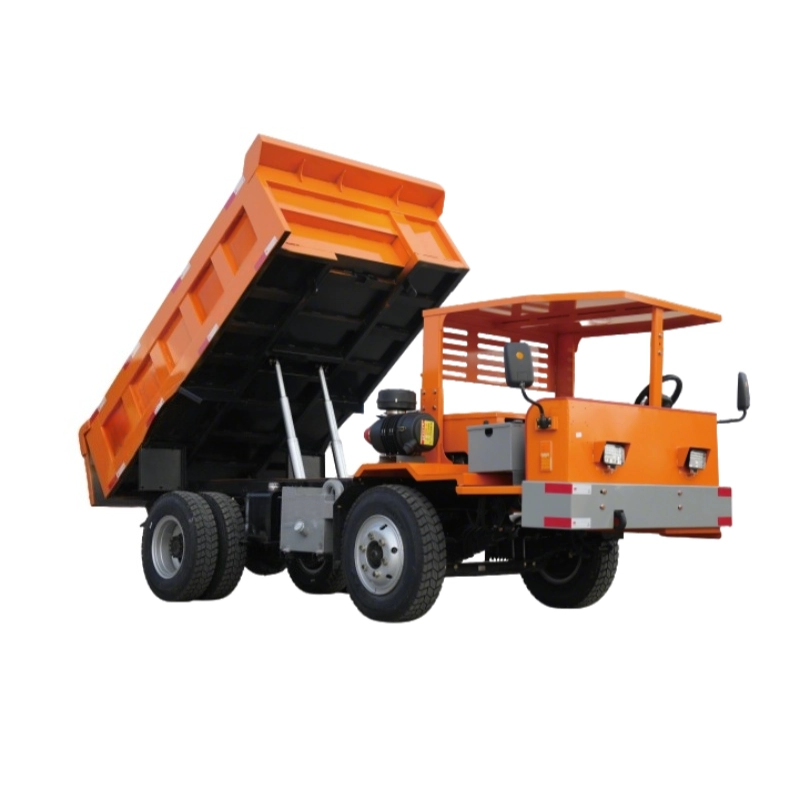
1. Underground Mining Trucks (Articulated)
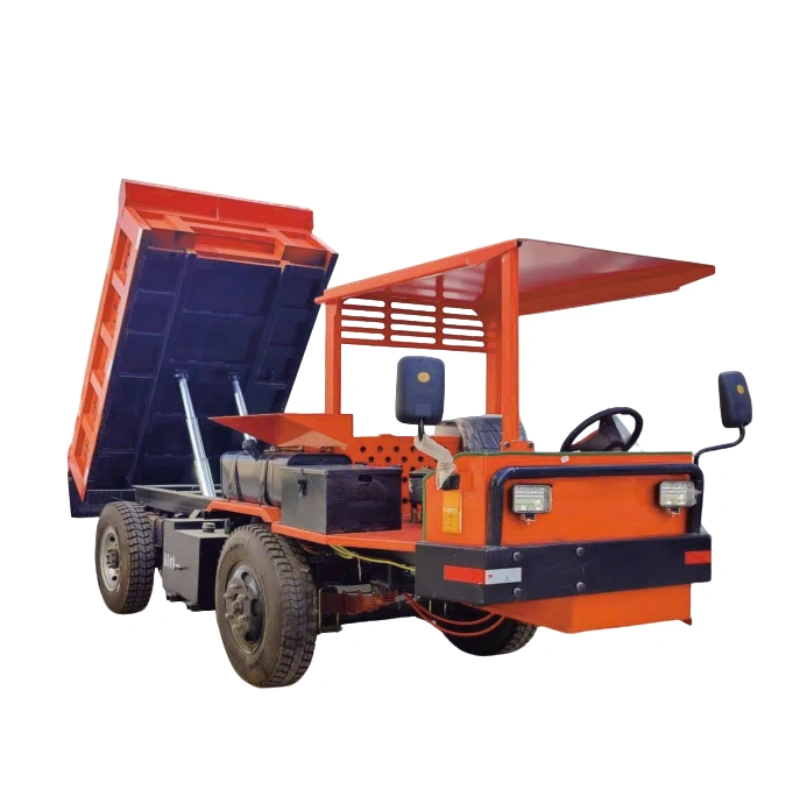
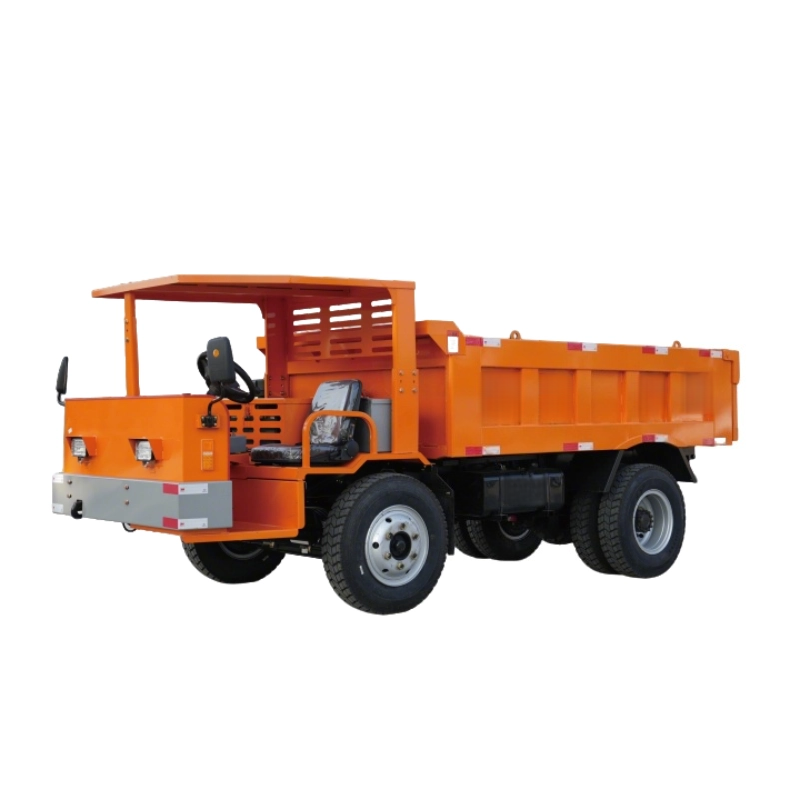
Designed for low-profile environments, these trucks prioritize maneuverability and emission control. Unlike their surface counterparts, they feature an articulated chassis that allows for a tight turning radius in narrow drifts.
- Key Example: The Mineloaders UK-series offers payload capacities ranging from 5 to 35 tons, specifically optimized for steep underground ramps.
2. Ultra-Class Rigid Rear Dump Trucks
These are the giants of open-pit mining. They utilize a rigid frame to handle massive payloads exceeding 300 tons. They are typically found in large-scale copper, gold, and coal operations.
3. Electric Drive vs. Mechanical Drive Trucks
- Mechanical Drive: Uses a traditional transmission and torque converter. Preferred for varied terrain where high torque at low speeds is required.
- Electric Drive: Uses a diesel engine to power an alternator, which drives electric motors in the wheels. These offer higher retarding capabilities and lower maintenance on long, uphill hauls.
| Feature | Underground Haul Trucks | Surface Rigid Trucks |
| Chassis | Articulated (Oscillating) | Rigid |
| Payload Range | 5 – 60 Tons | 40 – 400+ Tons |
| Primary Focus | Maneuverability & Air Quality | Volume & Scale |
| Drive System | Mostly Mechanical/Hydrostatic | Mechanical or AC Electric |
Critical Technical Features for ROI
When reviewing mining haul trucks for sale, look beyond the price tag. The Total Cost of Ownership (TCO) is driven by these engineering factors:
Advanced Braking Systems (SAHR)
In underground mining, safety and reliability are paramount. High-quality trucks utilize Spring Applied Hydraulic Release (SAHR) braking systems. This “fail-safe” engineering ensures that if hydraulic pressure is lost, the brakes automatically engage, preventing runaway vehicle scenarios on steep declines.
Emission Control (Stage V / Tier 4 Final)
For underground operations, ventilation is the highest operational cost. Choosing a truck with a high-efficiency engine (such as Volvo or Cummins Tier 4/Stage V) reduces the “ventilation demand” (VR) required to clear diesel particulate matter, directly lowering electricity costs for the mine’s fan systems.
Articulation and Oscillation Joints
The durability of the center hitch—the point where the truck bends—is the most common failure point. Premium manufacturers use heavy-duty tapered roller bearings and reinforced pins to handle the torsional stress of uneven mine floors.
Selection Guide: How to Match a Truck to Your Mine
Engineering consultants typically use a four-step matrix to evaluate equipment suitability:
1. Payload-to-Loader Matching
A common mistake is purchasing a truck that does not match the bucket size of your LHD (Load, Haul, Dump) or excavator. The industry standard is the “3 to 4 pass rule.” Your loader should fill the truck in exactly three or four passes. Anything more leads to truck queues; anything less leads to loader idling.
2. Gradient and Rimpull Requirements
Analyze your haul road’s maximum grade. If your mine has steep 12-15% ramps, you need a truck with a high rimpull-to-weight ratio. Check the manufacturer’s Rimpull-Speed-Gradeability curves to ensure the truck can maintain a productive speed while fully loaded on your specific inclines.
3. Operational Dimensions
In underground mining, “Back-Height” and “Drift Width” are hard constraints. Ensure there is a minimum of 0.5 meters of clearance on all sides of the truck. Articulated trucks from specialized providers like Mineloaders are often engineered with a “Low Profile” design to maximize payload without increasing the required tunnel cross-section.
4. Maintenance Accessibility
Downtime in a remote mine site is the ultimate profit killer. Evaluate the truck’s “Serviceability Index”:
- Are filters and fluid checkpoints accessible from the ground?
- Does the truck include an onboard diagnostic system?
- Is there local support for the drivetrain components (e.g., Dana Spicer, Kesler, or Volvo)?
Procurement Insights: New vs. Customized OEM
For many specialized operations, “off-the-shelf” trucks from the largest global brands may not meet specific chemical or geological constraints.
Strategic buyers are increasingly looking toward agile manufacturers who offer OEM customization. This includes fitting specialized fire suppression systems, remote-control interfaces for hazardous zones, or custom dump box liners for abrasive ores.
If your operation requires a specific payload-to-dimension ratio that large-scale manufacturers ignore, focusing on specialized underground equipment suppliers ensures the machinery is “fit-for-purpose” rather than “adapted for use.”
FAQ
What is the typical lifespan of a mining haul truck?
A well-maintained mining truck typically lasts between 20,000 to 40,000 operating hours. Many operators perform a “Mid-Life Rebuild” at 15,000 hours, replacing the engine and drivetrain components to extend the asset’s life for another cycle.
Why are articulated trucks preferred for underground mining?
Articulated trucks feature a pivot point between the cab and the dump body. This allows all wheels to maintain contact with the ground on uneven terrain and enables a much tighter turning radius than rigid-frame trucks, which is essential for narrow tunnels.
How do Tier 4 or Stage V engines impact mining costs?
While the initial purchase price is higher, these engines produce significantly lower emissions. In underground mines, this reduces the “Ventilation Rate” required by MSHA or local regulators, potentially saving hundreds of thousands of dollars in annual energy costs for mine fans.
Can I customize the dump body for different ore types?
Yes. For lightweight coal, a larger volume body is used. For heavy, abrasive gold or iron ore, a smaller, reinforced body with “wear liners” is used to prevent structural damage during loading.
Reference Sources
- ISO 10263: Earth-moving machinery — Operator enclosure environment.
- MSHA (Mine Safety and Health Administration): Equipment safety standards for underground diesel-powered vehicles.
- ASTM D6751: Standard specification for biodiesel fuel blends, critical for emission-heavy mining environments.
- Mineloaders Technical Specifications: Underground Mining Truck Performance Data.