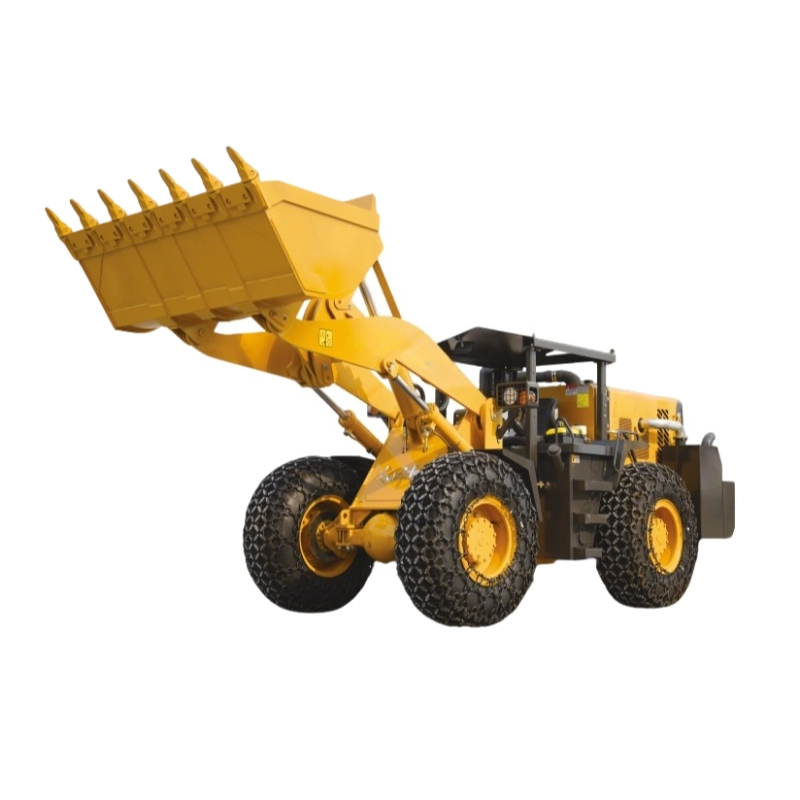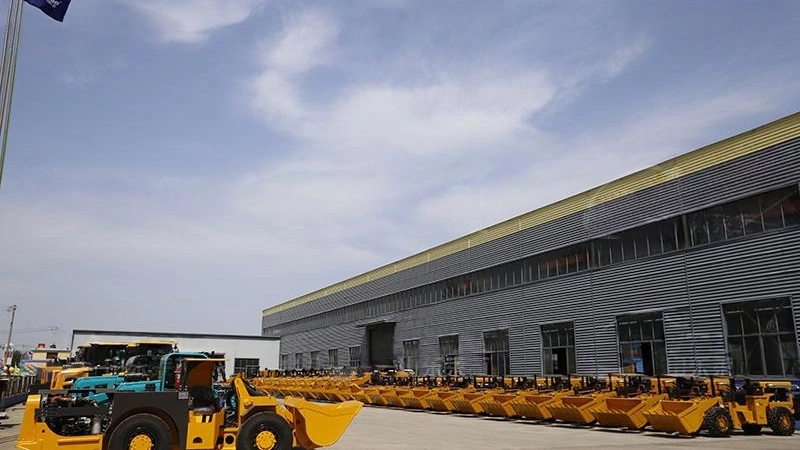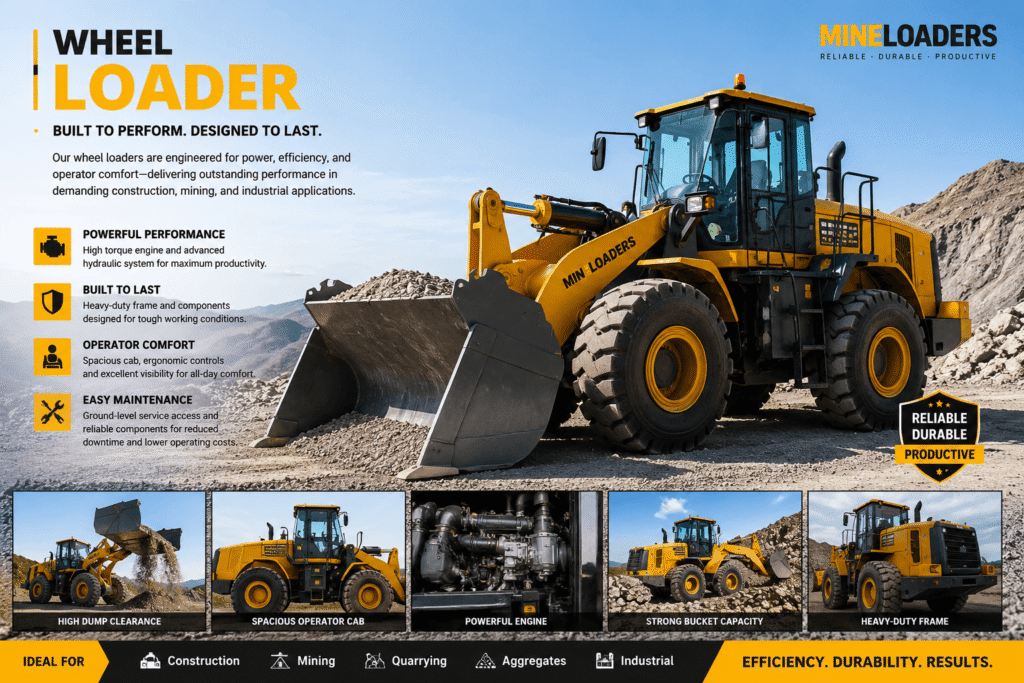
Choosing a mining truck for sale requires more than comparing payload capacity or looking at equipment photos. Mining operations have different requirements depending on site conditions, material characteristics, haul distance, and maintenance capability.
For international buyers, the purchasing process usually starts with defining project requirements, comparing available configurations, and confirming whether the equipment can operate effectively in the intended environment.
This guide explains the key specifications and practical factors buyers should review before placing an order for a mining truck.
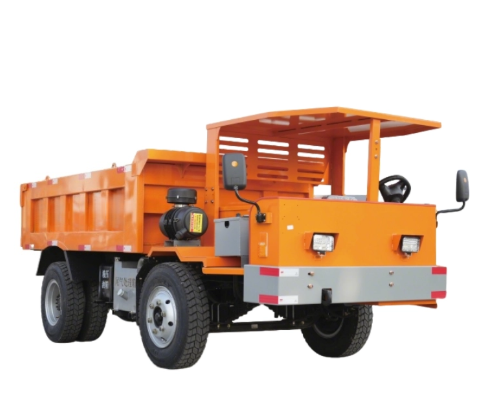
What Should Buyers Consider Before Buying a Mining Truck?
A mining truck needs to match the actual working conditions of the mine. A model suitable for one project may not perform well in another location because factors such as road width, gradients, material density, and loading methods can significantly affect operating efficiency.
Before requesting a quotation, buyers should prepare information about:
- Expected payload requirements
- Type and density of hauled materials
- Underground or surface operating conditions
- Haul road dimensions
- Loading equipment compatibility
- Maintenance resources available on site
Reviewing these factors helps buyers avoid selecting equipment based only on capacity numbers.
For buyers comparing available equipment options, the mining truck models can be reviewed according to project requirements and operating conditions.
Key Specifications to Check When Selecting a Mining Truck
1. Payload Capacity and Material Conditions
Payload is one of the first specifications buyers evaluate when looking for a mining truck for sale. However, maximum capacity does not always mean better performance.
The suitable payload depends on:
- Material density
- Average loading weight
- Haul distance
- Road conditions
- Loading equipment size
A truck that is too small may reduce productivity, while an oversized truck may increase infrastructure requirements and operating costs.
Buyers should confirm both rated payload and recommended operating conditions with the equipment supplier before making a final decision.
2. Truck Dimensions and Operating Environment
Mining environments can vary significantly. Underground mines often have limitations related to tunnel width, turning radius, and working height, while surface mining operations may focus more on haul distance and road conditions.
Before ordering, buyers should confirm:
- Overall vehicle dimensions
- Turning radius
- Ground clearance
- Maximum gradient capability
- Loading and unloading space requirements
For underground applications, these details are especially important because restricted working spaces can affect equipment mobility and productivity.
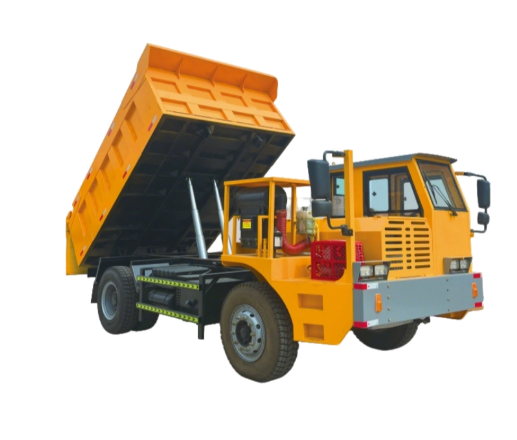
3. Braking System and Safety Configuration
Mining trucks often operate under demanding conditions, including heavy loads and long downhill routes. Braking performance and thermal management should be carefully evaluated during the purchasing process.
Important points include:
- Service brake performance
- Retarding capability
- Emergency braking system
- Maintenance requirements
The buyer should also consider site safety procedures and operational controls. Resources such as the MSHA Powered Haulage Safety guidance provide information on common powered haulage risks in mining operations.
A supplier should be able to provide technical documentation and operating recommendations related to braking systems.
4. Engine, Fuel Type and Powertrain Options
Different mining sites have different power requirements. Diesel-powered trucks remain widely used, while electric and alternative power solutions may be considered depending on infrastructure and operating conditions.
When comparing options, buyers should evaluate:
- Fuel availability
- Maintenance capability
- Ventilation requirements
- Operating hours
- Energy supply conditions
For underground operations, ventilation requirements should be considered together with equipment selection. The CDC/NIOSH Mining Program provides research resources related to mining health and safety considerations.
The final choice should be based on project conditions rather than a single specification.
5. Maintenance Support and Spare Parts Availability
Equipment reliability depends not only on machine quality but also on maintenance support.
Before ordering, buyers should ask:
- Are spare parts available?
- What is the recommended maintenance schedule?
- Are technical manuals provided?
- Is operator or technician training available?
For international projects, spare parts availability and technical communication are especially important because unexpected downtime can affect production schedules.
A complete quotation should include information about maintenance requirements and after-sales support.
6. Loading Compatibility and Operating Efficiency
Mining trucks normally work together with loaders, excavators, or other loading equipment. Poor matching between loading equipment and truck capacity can reduce efficiency.
Buyers should consider:
- Loader bucket size
- Number of loading passes
- Loading cycle time
- Material characteristics
A balanced truck-loader combination can improve workflow and reduce unnecessary waiting time during operations.
Questions to Ask Before Ordering a Mining Truck
Before purchasing, buyers should prepare a clear RFQ and confirm the following information with the supplier.
| Question | Why It Matters |
|---|---|
| What payload range is recommended for my application? | Helps match truck capacity with production requirements |
| Can you provide technical drawings and dimensions? | Confirms site compatibility |
| What maintenance schedule is required? | Helps estimate operating requirements |
| Which spare parts are recommended? | Reduces potential downtime |
| Can the configuration be adjusted for specific site conditions? | Ensures better project suitability |
Providing detailed project information allows suppliers to recommend more suitable configurations.
Mining Truck Purchase Checklist Before Issuing an RFQ
A complete RFQ should include:
Operating Conditions
- Mine type
- Surface or underground application
- Material characteristics
- Average haul distance
Equipment Requirements
- Required payload
- Preferred dimensions
- Working hours per day
- Environmental conditions
Service Requirements
- Spare parts expectations
- Technical support requirements
- Delivery and installation requirements
This information helps both buyers and suppliers evaluate whether a specific mining truck configuration fits the project.
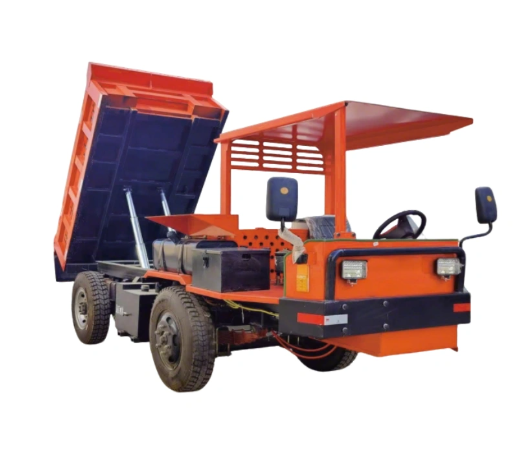
How to Compare Different Mining Truck Options?
When comparing different mining trucks for sale, buyers should avoid focusing only on the purchase price.
A practical comparison should include:
- Machine specifications
- Operating environment suitability
- Maintenance requirements
- Parts availability
- Long-term operating conditions
A lower initial cost does not always represent the lowest total operating cost. Buyers should evaluate the complete equipment lifecycle based on project requirements.
Frequently Asked Questions
What information should I provide when requesting a mining truck quotation?
Buyers should provide details about the application, including required payload, mine conditions, haul distance, loading equipment, and expected operating hours. More detailed information helps suppliers recommend suitable configurations.
Should I choose a standard mining truck configuration?
Standard configurations can meet many common applications, but some projects may require adjustments based on site conditions. Buyers should discuss technical requirements with suppliers before final confirmation.
How do I know if a mining truck fits my mine site?
Check the truck dimensions, payload capacity, turning radius, braking capability, and compatibility with existing loading equipment. Site conditions should be confirmed before purchase.
What should I check besides the mining truck price?
Besides the purchase price, buyers should consider maintenance requirements, spare parts availability, technical support, and operating conditions to understand the overall investment.
Conclusion
Selecting a mining truck for sale requires careful evaluation of specifications, operating conditions, and project requirements. Buyers should confirm payload, dimensions, maintenance support, and site compatibility before placing an order.
By preparing a detailed RFQ and comparing equipment based on real operating conditions, international buyers can make a more informed purchasing decision.
For available equipment options, buyers can review the mining truck product range and discuss application requirements with the supplier.