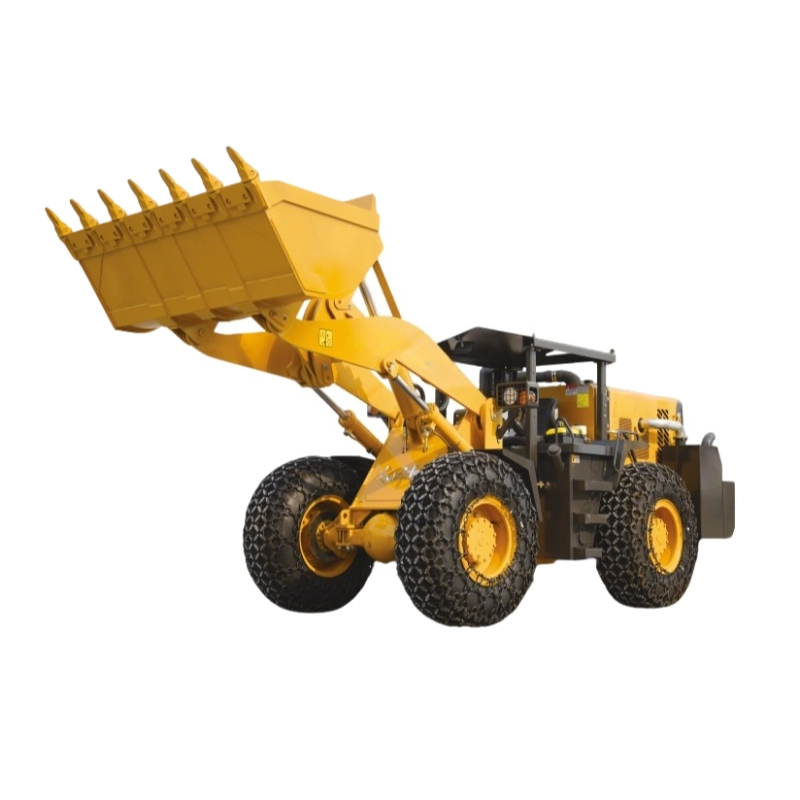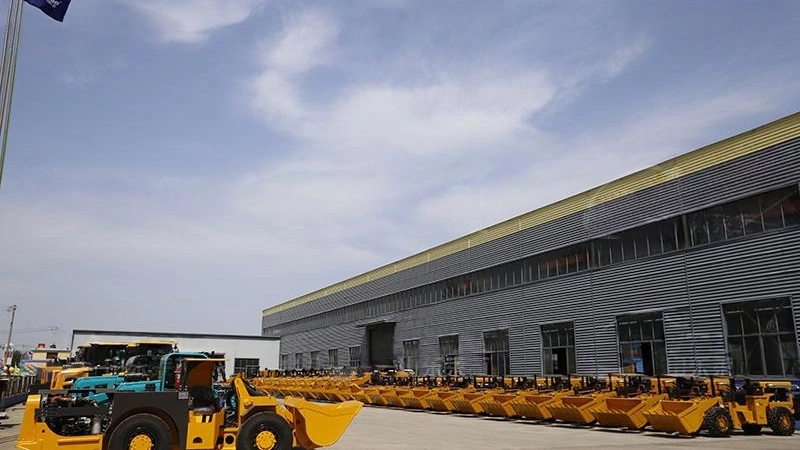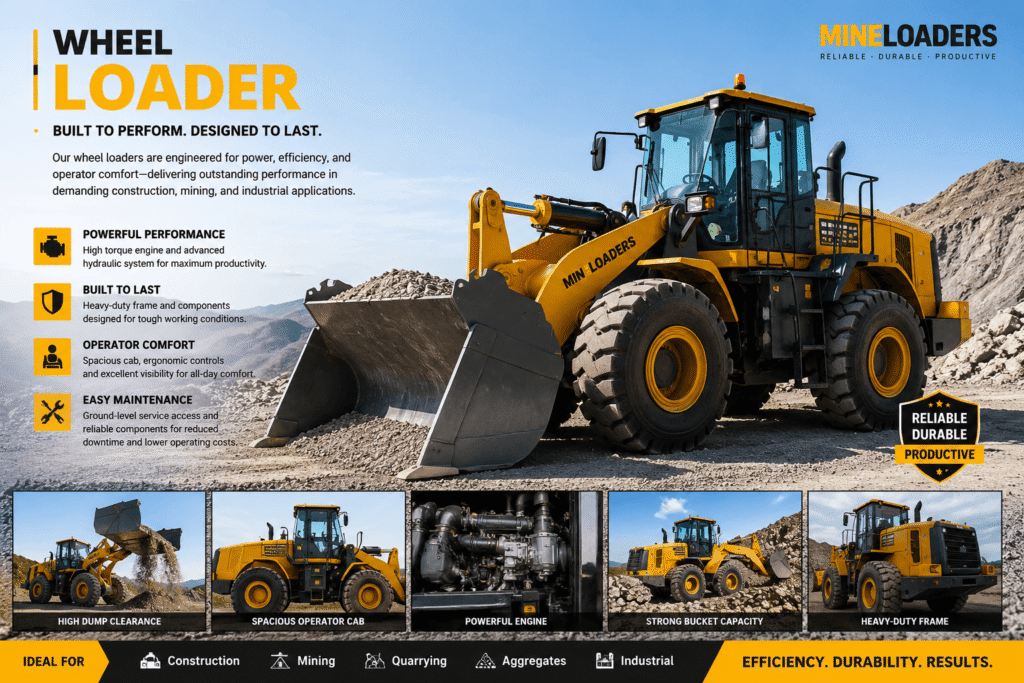
For mining companies and international buyers, understanding mining truck price requires more than checking a basic equipment quotation. The final cost depends on payload capacity, vehicle configuration, operating environment, power system, safety requirements, and long-term service considerations.
A mining truck designed for underground transportation may have a very different cost structure from a surface hauling vehicle, even if their specifications appear similar.
Before requesting quotations, buyers should define their operating requirements and compare complete equipment solutions instead of focusing only on the initial purchase price.
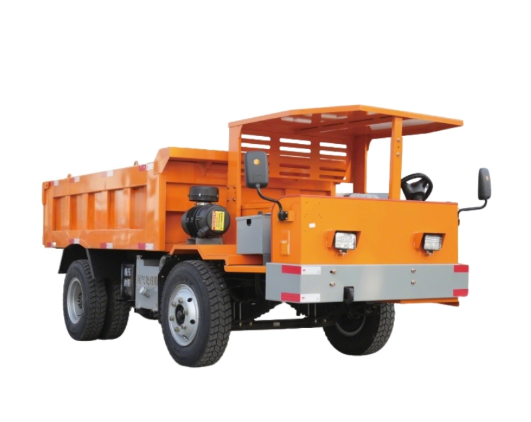
What Factors Affect Mining Truck Price?
Mining truck prices are influenced by several technical and commercial factors. Suppliers usually adjust quotations based on the required working conditions and equipment configuration.
1. Payload Capacity and Vehicle Configuration
Payload capacity is one of the main factors affecting mining truck price.
Higher-capacity trucks generally require stronger structures and components, including:
- Reinforced frames
- Larger dump bodies
- Higher-capacity suspension systems
- More durable tyres
- Stronger drivetrain components
For example, an underground mining truck working in narrow tunnels may require a compact design, while a surface mining truck may prioritize higher payload capacity and longer hauling distances.
When comparing quotations, buyers should confirm:
- Rated payload capacity
- Maximum loading conditions
- Material characteristics
- Recommended operating environment
You can review different equipment options through the available mining truck range and compare specifications based on your project requirements.
2. Powertrain and Energy System
The power system also affects the final equipment cost.
Common mining truck configurations include:
- Diesel-powered trucks
- Electric-powered vehicles
- Hybrid solutions
Different power systems influence:
- Initial purchase cost
- Energy consumption
- Maintenance requirements
- Site infrastructure
For underground mining operations, power selection should also consider ventilation and workplace safety requirements. According to MSHA Powered Haulage Safety guidance, mobile equipment operation requires appropriate safety management and operational controls.
Buyers should ask suppliers:
- What duty cycle is the equipment designed for?
- What are the expected fuel or energy requirements?
- Are additional systems required for specific environments?
3. Working Conditions and Custom Requirements
Mining conditions vary significantly between projects, and standard equipment configurations may not always meet site requirements.
Factors that may influence mining truck price include:
| Factor | Cost Impact |
|---|---|
| Underground operation | May require different dimensions, safety systems, and ventilation considerations |
| Heavy-duty hauling | Requires stronger components and higher capacity systems |
| Extreme weather conditions | May require additional protection features |
| Long-distance transportation | Influences drivetrain and braking requirements |
| Remote mining locations | Increases importance of service and spare parts support |
Providing detailed project information helps suppliers prepare more accurate quotations.
Important details include:
- Haul distance
- Road conditions
- Operating hours
- Material type
- Maintenance capability
4. Safety Features and Optional Equipment
Safety systems can also affect the overall mining truck price.
Depending on the application, buyers may consider:
- Operator protection systems
- Visibility equipment
- Monitoring systems
- Braking systems
- Communication solutions
These features may increase the initial investment but can support safer and more predictable operations.
When comparing quotations, always check which features are included as standard and which are optional.
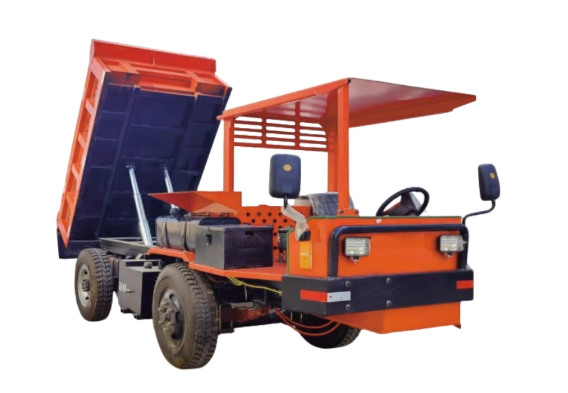
5. Spare Parts and After-Sales Support
The purchase price is only part of the total cost of owning a mining truck.
A lower initial quotation may create additional costs if:
- Spare parts are difficult to obtain
- Technical support is limited
- Maintenance response is slow
- Equipment downtime affects production
When evaluating a supplier, buyers should review:
- Warranty coverage
- Spare parts availability
- Maintenance support
- Technical assistance
A complete evaluation process can help buyers select a suitable mining truck supplier based on equipment capability and service requirements.
Mining Truck Price Comparison: Key Factors Buyers Should Check
| Comparison Factor | Why It Matters | Buyer Question |
|---|---|---|
| Payload capacity | Determines productivity and application suitability | Does the truck match the expected workload? |
| Power system | Affects operating costs and maintenance | What are the expected operating requirements? |
| Frame and body design | Influences durability | Is the structure suitable for the material? |
| Safety configuration | Supports operational management | Which safety features are included? |
| Service support | Affects downtime risk | How are spare parts and technical support provided? |
How to Compare Mining Truck Quotations
When comparing mining truck quotations, buyers should avoid evaluating only the final price.
Different suppliers may include different configurations, accessories, and service packages in their offers.
A detailed quotation should include:
- Equipment specifications
- Standard features
- Optional systems
- Warranty terms
- Delivery information
- Spare parts recommendations
For international buyers sourcing from China, production capability and export experience are also important considerations. You can learn more about evaluation factors in our guide to mining truck manufacturers in China.
Understanding Total Cost of Ownership
The initial mining truck price is important, but long-term operating costs should also be considered.
Total cost of ownership may include:
- Equipment purchase cost
- Fuel or electricity expenses
- Routine maintenance
- Spare parts
- Operator training
- Downtime costs
A truck with a lower purchase price may not always provide the lowest operating cost if maintenance requirements are higher.
Before making a purchase decision, buyers should ask suppliers to explain:
- Operating assumptions
- Maintenance schedules
- Expected service intervals
- Recommended spare parts
Common Mistakes When Evaluating Mining Truck Prices
Comparing Only the Equipment Price
Some quotations may exclude optional systems, spare parts packages, or service support.
Ignoring Site Conditions
A truck suitable for one mining environment may not perform efficiently in another.
Not Checking Supplier Support
Equipment availability, spare parts supply, and technical support can influence long-term operating results.
Accepting Unclear Quotations
Buyers should request detailed quotations that separate:
- Standard equipment
- Additional options
- Custom modifications
- Service packages
Questions Buyers Should Ask Before Purchasing
What information should be prepared before requesting a mining truck quotation?
Buyers should provide payload requirements, working conditions, haul distance, operating hours, and maintenance expectations.
Does a higher mining truck price mean better equipment?
Not always. A higher price may include additional capacity, stronger components, or extra features, but the correct choice depends on project requirements.
How can buyers control mining truck costs?
Comparing equipment specifications, service support, operating conditions, and lifecycle costs provides a more complete evaluation.
Where can buyers check available mining truck models?
Buyers can review different configurations through mining trucks for sale and compare models based on capacity, application, and project needs.