Large-scale infrastructure projects—ranging from interstate highway expansions and hydroelectric dams to intricate subway networks—demand more than just manual labor. They require a strategic deployment of heavy machinery designed for specific geological and structural challenges. Selecting the correct construction machinery types is not merely a matter of logistics; it is a critical engineering decision that impacts project timelines, structural integrity, and site safety.
When transitioning from site preparation to structural assembly, the mechanical requirements shift significantly. Understanding the classification and technical capabilities of these machines is essential for project managers and site engineers aiming for operational efficiency.
Core Classifications of Heavy Construction Machinery
Modern infrastructure development relies on four primary categories of equipment. Each category is defined by its mechanical advantage, breakout force, and payload capacity.
1. Earthmoving Equipment
Earthmoving is the foundational phase of any infrastructure project. The objective is to displace vast quantities of soil, rock, or debris to reach the required subgrade elevation.
- Excavators: These are the workhorses of the industry. Utilizing a hydraulic system, they consist of a boom, stick, and bucket. Beyond simple digging, they are used for heavy lifting, demolition, and river dredging.
- Bulldozers: Known for their massive metal blades, bulldozers are designed for “pushing” material. Their wide tracks provide excellent ground contact, preventing the machine from sinking in soft terrain—a concept known as low ground pressure (LGP).
- Backhoe Loaders: A hybrid machine featuring a loader-style bucket on the front and an excavator-style backhoe on the rear. They are favored in urban infrastructure projects where space is limited but versatility is required.
- Motor Graders: Essential for roadwork, graders use a long blade to create a flat surface. In technical terms, they achieve the “final grade” necessary for asphalt or concrete application.
2. Lifting and Material Handling
Infrastructure often involves verticality, such as bridge pylons or high-rise supports.
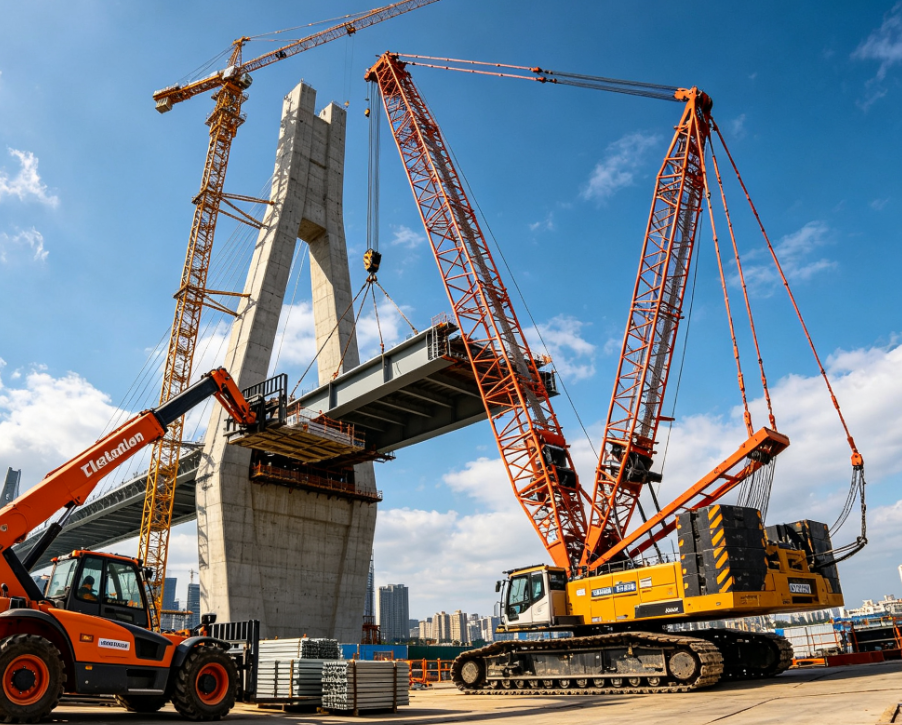
- Tower Cranes: Fixed to the ground on a concrete slab, these provide the best combination of height and lifting capacity.
- Crawler Cranes: Mounted on tracks, these cranes move around the site while carrying heavy loads, offering stability without the need for outriggers.
- Telehandlers: Often described as a “crane-arm forklift,” these are used to move materials to elevated platforms where a standard forklift cannot reach.
Technical Comparison of Primary Earthmoving Machines
| Machine Type | Primary Function | Drive System | Key Metric |
| Excavator | Mass Excavation | Hydraulic/Track | Breakout Force |
| Bulldozer | Site Leveling | Track/Torque | Drawbar Pull |
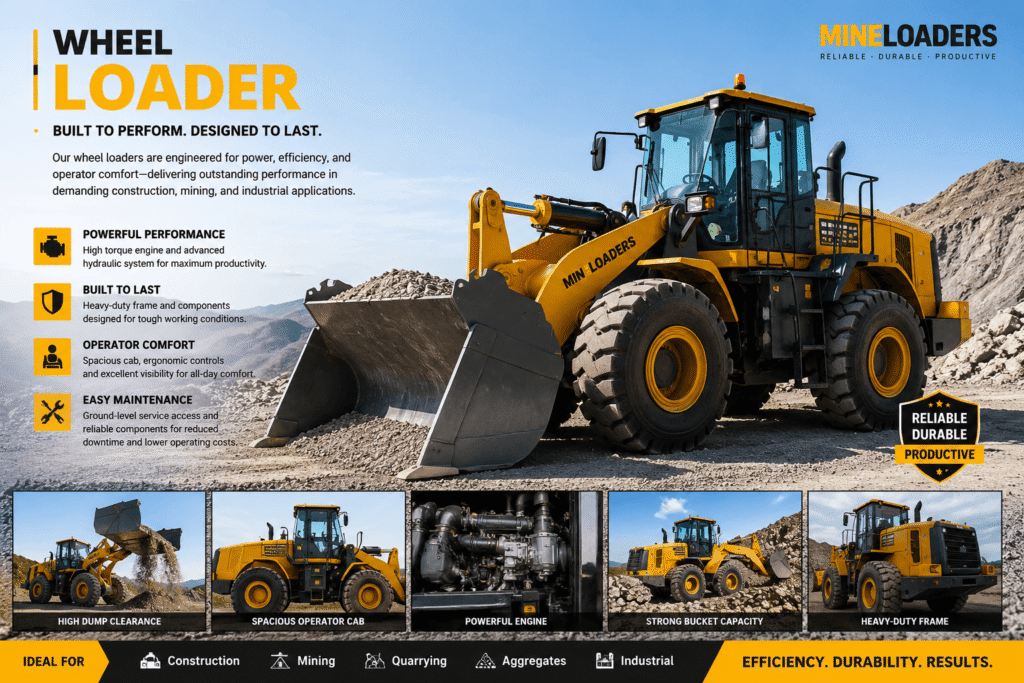
| Wheel Loader | Material Loading | Articulated/Tire | Payload Capacity |
| Motor Grader | Fine Grading | Tandem Drive | Blade Width |
Specialized Machinery for Subsurface Infrastructure
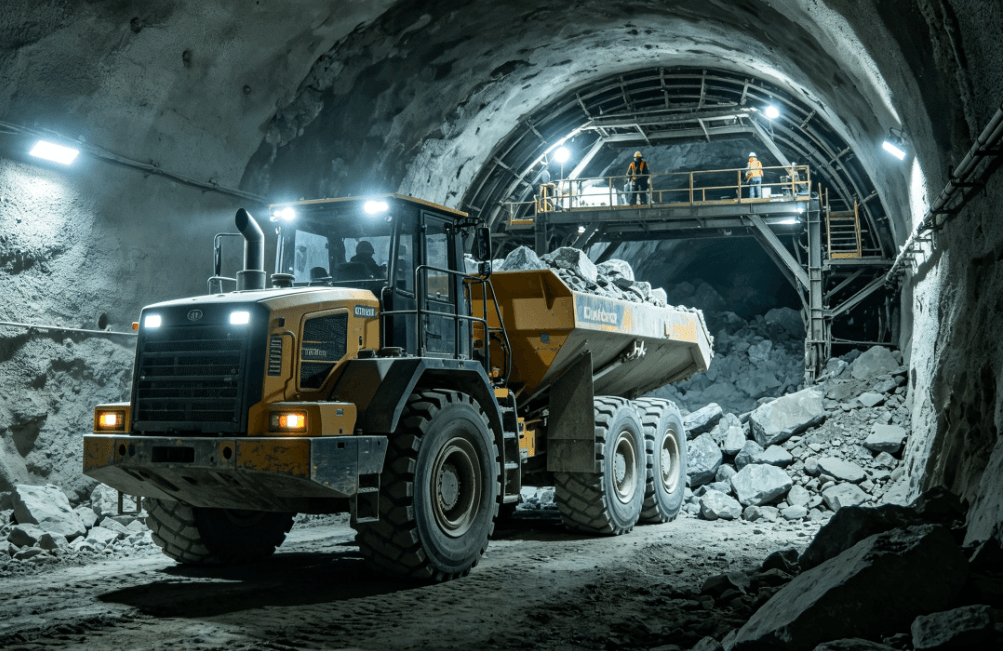
Infrastructure isn’t always visible above ground. Tunnels, metropolitan subways, and deep-vein utility corridors require a specialized subset of machinery that can operate in confined, often hazardous, environments.
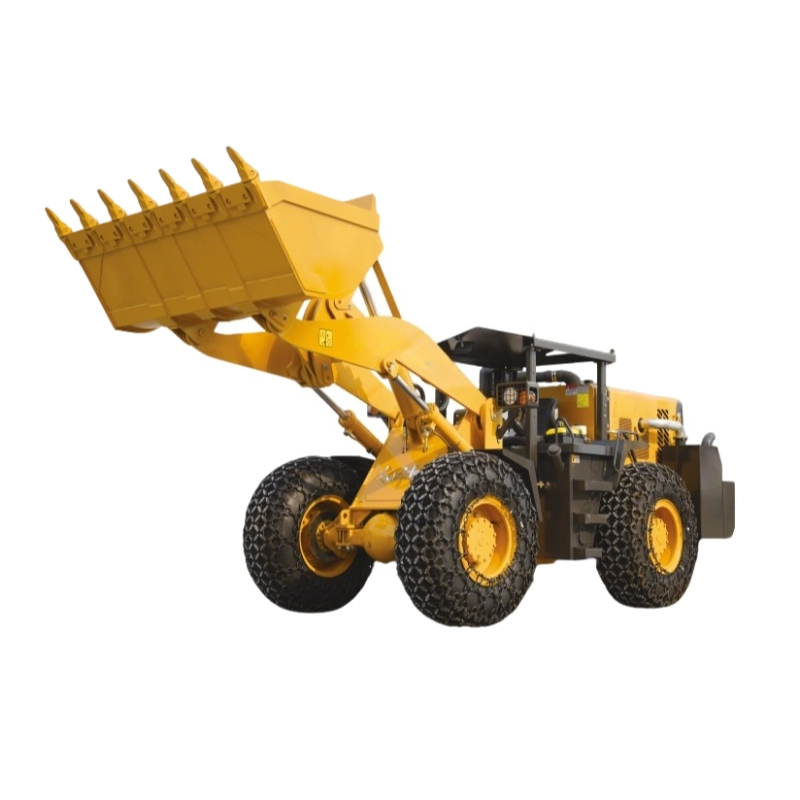
In these “tight-access” scenarios, traditional surface equipment is often too bulky or produces excessive emissions for underground ventilation systems to handle. This is where specialized Load-Haul-Dump (LHD) loaders become indispensable.
Unlike standard wheel loaders, underground LHDs are designed with a low profile and articulated steering to navigate narrow drifts. For projects involving tunnel mucking—the process of removing blasted rock—LHDs provide the necessary breakout force while maintaining a compact footprint. Furthermore, modern infrastructure increasingly utilizes Electric Loaders in underground sections to eliminate diesel particulates, significantly reducing the load on mine-grade ventilation systems.
Beyond mucking, utility vehicles like underground personnel carriers and scissor lifts are modified for low-clearance environments to ensure that technicians can reach overhead cabling and support structures safely.
The Role of Compaction and Paving in Transportation Projects
For road and airport infrastructure, the durability of the surface depends entirely on the compaction phase.
- Smooth Wheel Rollers: Used primarily for asphalt layers to ensure a level, high-density finish.
- Sheepsfoot Rollers: These feature “lugs” or “feet” that penetrate the soil, providing deep-layer compaction for cohesive soils like clay.
- Asphalt Pavers: These machines receive hot-mix asphalt from a truck, distribute it across the roadbed, and provide initial compaction using a hydraulic screed.
Engineering Considerations for Machine Selection
Selecting the right equipment involves more than just identifying a task. Engineers must calculate several variables to ensure the fleet is optimized:
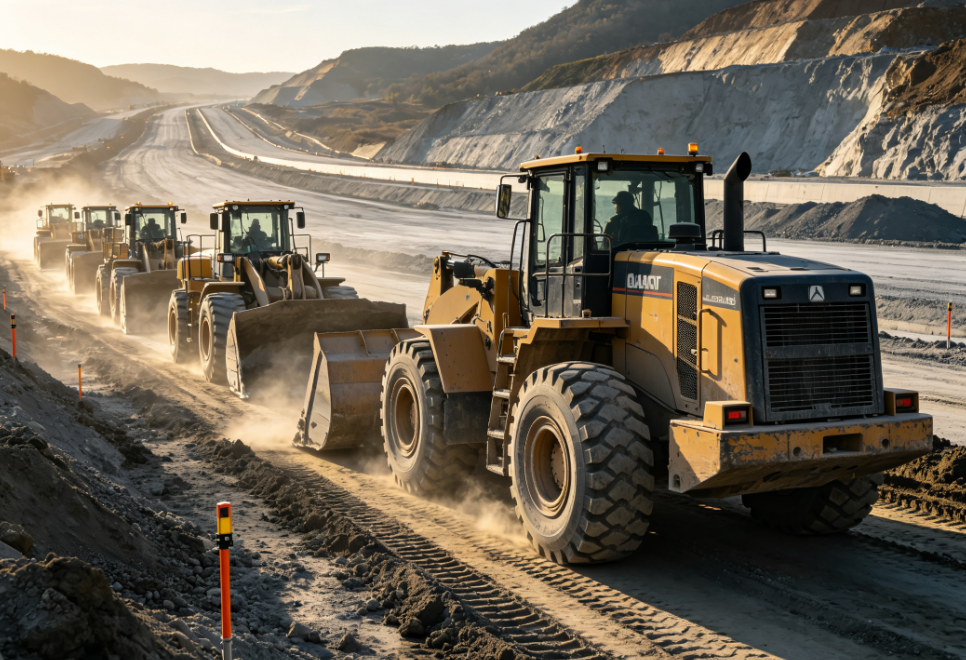
- Cycle Times: How long does it take for a loader to fill a truck, the truck to dump the material, and return? High-speed infrastructure requires minimizing these cycles.
- Payload Match: If an excavator bucket is too large for the haul truck’s bed, it risks damaging the truck frame. If it’s too small, cycle times increase.
- Terrain Gradeability: Machines must be rated for the specific slopes (grades) of the project site. Tracked machines generally offer higher gradeability than wheeled counterparts.
- Operational Environment: Is the site urban (requiring low noise and vibration) or remote (requiring high fuel autonomy and rugged durability)?
Enhancing Efficiency through Telematics
Modern infrastructure machinery is increasingly integrated with IoT and telematics. Systems like GPS-guided grading allow motor grader operators to achieve sub-centimeter accuracy based on 3D site models. This reduces “re-work,” where sections of a road or foundation must be reconstructed because they failed to meet the specified elevation.
Furthermore, remote monitoring of hydraulic pressure and engine temperature allows for predictive maintenance. In large-scale projects, the “downtime” of a single primary excavator can halt an entire fleet of haul trucks, costing thousands of dollars per hour.
FAQ
Q: What is the most versatile machine for small-to-medium infrastructure repairs?
A: The backhoe loader is generally considered the most versatile due to its dual-purpose design, allowing it to dig, load, and move material without changing machines.
Q: Why are tracked machines preferred over wheeled machines in early-stage construction?
A: Tracked machines distribute their weight over a larger surface area, providing better flotation on soft or uneven ground where wheeled machines would lose traction or get stuck.
Q: How does “Breakout Force” affect project speed?
A: Breakout force refers to the power a machine can apply at the tip of its bucket. In hard-rock or compacted soil environments, a higher breakout force allows the machine to dig more efficiently, reducing the need for pre-blasting or secondary breaking.
Q: Are electric machines viable for large-scale infrastructure?
A: Yes, particularly in underground construction or urban environments with strict emission and noise regulations. While battery life is a consideration, electric LHDs and mini-excavators are becoming standard in specific niche applications.
Reference Sources
- ISO 9244: Earth-moving machinery — Safety — Visual aids and symbols.
- Committee on Engineering Management (ASCE): Guidelines for heavy equipment lifecycle management in civil works.
- Association of Equipment Manufacturers (AEM): Technical reports on the integration of telematics in heavy machinery.
- SGS/TUV Certification Standards: Safety and emission compliance for industrial and construction vehicles.