Choosing the right wheel loader supplier is a procurement decision that affects equipment uptime, site safety, and total lifecycle cost. This guide explains practical checks, the typical decision trade-offs, and a structured RFQ/site-confirmation checklist to help purchasing and operations teams compare suppliers and prepare for a formal request for quotation.
wheel loader supplier: key selection principles
When evaluating any supplier, focus on verifiable evidence: service capability, spare-parts logistics, documented maintenance procedures, operator training, and references from sites with similar duty cycles. Some safety and operational guidance for powered haulage and material-handling equipment emphasize the need for supplier support plans and site-specific risk controls; these should be confirmed during supplier evaluation rather than assumed [1].
Initial supplier-screening checklist
Before engaging in detailed technical discussions, use a short screening process to eliminate suppliers that cannot meet basic procurement requirements. Screening should confirm commercial terms (payment, warranty framework), primary support locations, and whether the supplier can supply OEM or authorised spare parts over the expected equipment life. Document each response and require evidence where practical.
What to ask in a first contact
- Can the supplier supply service documentation and spare-parts lists for the equipment family?
- What are the typical dealer or service-centre locations relative to your sites?
- Can the supplier provide reference sites with similar operating conditions and duties?
- Does the supplier offer operator and maintenance training, and is it delivered by the OEM or a certified trainer?
Decision table: comparing supplier capabilities
| Consideration | Why it matters | How to verify |
|---|---|---|
| After-sales support | Rapid repairs and parts reduce downtime | Request service-center list, average repair response time, and spare-parts lead-time policy |
| Parts availability | Access to genuine parts affects long-term reliability | Ask for parts distribution map, stocking locations, and parts replacement lead time targets |
| Training and documentation | Reduces operator error and improper maintenance | Obtain examples of operator manuals, maintenance schedules, and training curricula |
| Field support footprint | Proximity of technicians limits travel time and cost | Validate technician locations, planned response SLAs, and escalation paths |
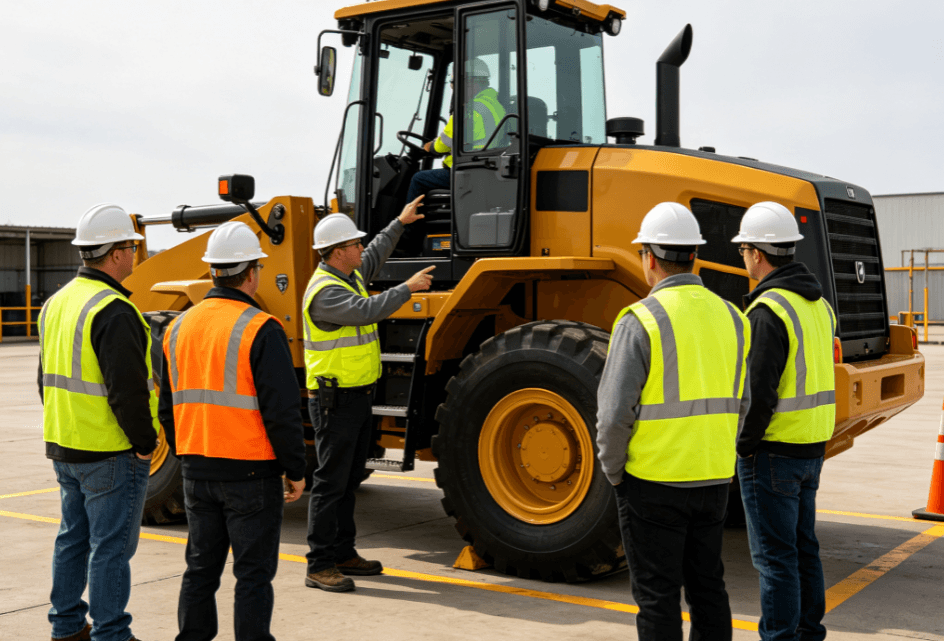
| References and case histories | Shows supplier performance in similar environments | Contact provided referees and ask about uptime, parts support, and problem resolution |
Technical and operational checks to request in an RFQ
When moving from screening to RFQ, be specific about the information you need. An effective RFQ asks for documentation that supports the supplier’s claims: maintenance intervals, recommended operating conditions, consumables list, and the availability of field-service engineers. Where diesel emissions, ventilation or operator exposure are relevant (for example in enclosed or underground applications), ask for guidance consistent with recognized research and standards and plan to confirm controls on site [4][5].
RFQ and site-confirmation checklist
| Site/project requirement | Confirm with supplier/OEM | Notes for procurement or site team |
|---|---|---|
| Maintenance intervals and recommended tasks | Provide maintenance schedule and labour-hour estimates | Compare schedules between suppliers and include planned downtime windows |
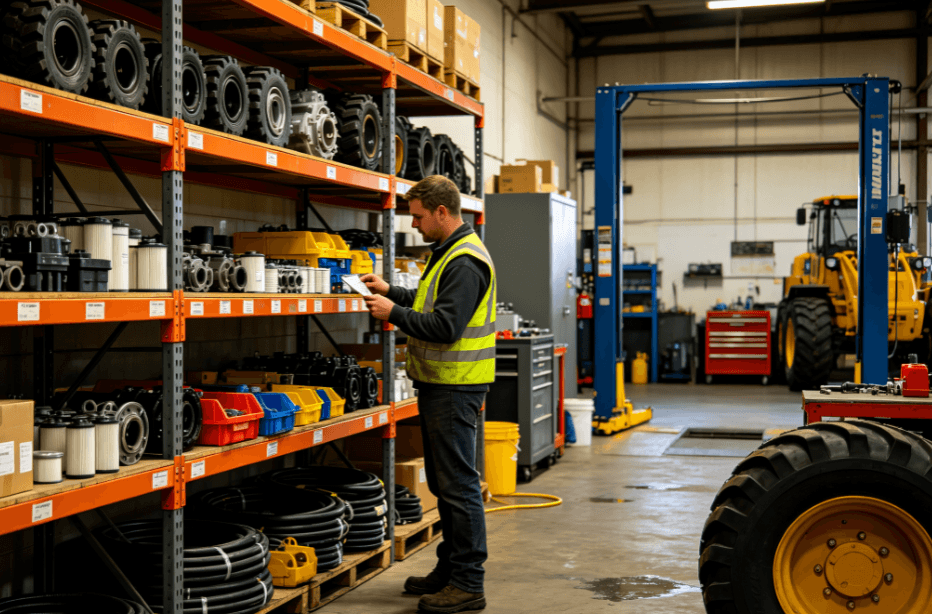
| Spare-parts list and lead times | Provide parts catalogue and typical shipping times to site | Identify critical spares to stock locally |
| Field service availability | Confirm nearest authorised technicians and SLA for emergency call-outs | Include escalation contact details |
| Operator and mechanic training | Supply course outlines, duration, and competency assessment method | Specify whether training is at site or at supplier facility |
| Emissions, ventilation and diesel handling (if applicable) | Provide guidance documents and recommended controls | Use supplier guidance alongside local regulations and ventilation planning [4][5] |
| Reference installations | List analogous sites and contact details for references | Verify claims by speaking with site managers about real-world performance |
Inspection and acceptance criteria
Define acceptance criteria in the purchase order and inspection plan: proof of training delivered, delivery of service documents, and on-site demonstration of basic functions. Include functional acceptance tests that reflect your operational environment rather than generic factory checks. Where powered haulage safety or material-handling hazards apply, ensure the acceptance plan addresses guards, controls, and documented training consistent with industry guidance [1].
How to evaluate total cost of ownership
TCO is affected by fuel or energy use, maintenance frequency, parts cost, and expected machine availability. Require suppliers to provide realistic maintenance labour estimates and a parts pricing framework in the RFQ. Compare these as part of a multi-year operating budget rather than relying solely on initial purchase price.
Common supplier red flags
- No verifiable reference sites or refusal to permit referee contact.
- Unclear spare-parts supply chain or long, unspecified lead times.
- No documented training programmes or training delivered by unqualified personnel.
- Lack of field-service footprint for your operating regions.
Practical procurement tips
Use a staged procurement approach: initial screening, detailed RFQ with required attachments, and a formal site acceptance plan. Build performance metrics into the contract (e.g., service response times, parts availability targets) and require periodic review meetings. Where applications or operating environments differ from manufacturer standard conditions, require a site-fit confirmation from the OEM or authorised representative.
FAQs
How much does supplier location matter for heavy-equipment uptime?
Supplier and dealer proximity can materially affect downtime because local technicians and stocked parts shorten repair time. For remote sites, confirm whether the supplier maintains strategically located depots or partner distributors and check their typical response times in past incidents.
Should I accept refurbished or remanufactured components?
Refurbished parts can be a cost-effective option if they come with traceable history, inspection records, and a clear warranty. Require documented refurbishment standards and test results as part of any acceptance criteria to ensure reliability in heavy-duty service.
What role does operator training play in supplier selection?
Operator training reduces misuse and can extend component life. Prefer suppliers who provide structured training with competency checks and maintenance training for on-site mechanics. Verify the trainer credentials and request sample training materials before award.
How do emissions and ventilation issues affect equipment choice?
Diesel emissions and aerosols require controls in enclosed or poorly ventilated areas. When these risks apply, include supplier guidance in the RFQ and plan for ventilation and exposure controls on site, aligning supplier advice with recognised health guidance where applicable [4][5].
Next steps and procurement CTA
Use the tables and checklists in this guide to structure your RFQ and site-confirmation process. To see an example commercial offering and to request documentation that supports supplier evaluation, review the supplier\’s construction and mining equipment range.
Scope note: Final configuration, dimensions, capacity, documentation, price, lead time, and site fit require an RFQ and OEM or mine confirmation as applicable. Do not rely on this guide for specification or compliance decisions.
For a product-page starting point, review the construction and mining equipment range and request application-specific confirmation.
When comparing options, use wheel loader supplier as a checklist topic rather than a promise of a particular machine outcome. Record the operating conditions, material, route restrictions, maintenance resources, and safety controls that the supplier or OEM must confirm in writing.
Additional buyer checks before final selection
Before comparing quotations, document the normal and peak duty cycle, material condition, available working envelope, haul or travel route, operator interface, planned inspection process, and service access. Ask each respondent to state the assumptions used for its recommendation and to identify any attachments, optional systems, or operating limits that could change the final configuration. This makes it easier to compare proposals on a like-for-like basis and to plan a practical commissioning review.
Procurement teams should also separate facts that are published by a supplier from items that require project-specific validation. Request drawings, operating documentation, maintenance requirements, and the applicable safety or regulatory information for the intended jurisdiction. If the machine will work alongside other mobile equipment, include traffic management, visibility, communication, and training considerations in the site review. These checks support a more complete RFQ without implying that a generic article can replace an engineering assessment or the mine’s own safety process.
References
- MSHA, Powered Haulage Safety (accessed 19 August 2026).
- CDC/NIOSH, Mining Program (accessed 19 August 2026).
- Komatsu, Wheel Loaders (accessed 19 August 2026).