Selecting the right haulage equipment is a cornerstone of mine profitability and operational safety. While both open pit and underground mining trucks serve the fundamental purpose of transporting ore and waste, their engineering philosophies are dictated by vastly different environmental constraints. Surface mining prioritizes massive scale and vertical efficiency, whereas underground operations demand compact agility and strict emissions control.
Understanding these distinctions is essential for site managers and engineers tasked with optimizing fleet performance and minimizing the cost-per-ton.
Structural Engineering and Design Philosophy
The most visible difference between these two mining truck types is their physical profile. Open pit trucks, often referred to as “Ultra-Class” haulers, are designed for maximum volume. These machines utilize a rigid frame construction to support massive payloads. Their height is often a secondary concern to their width and stability.
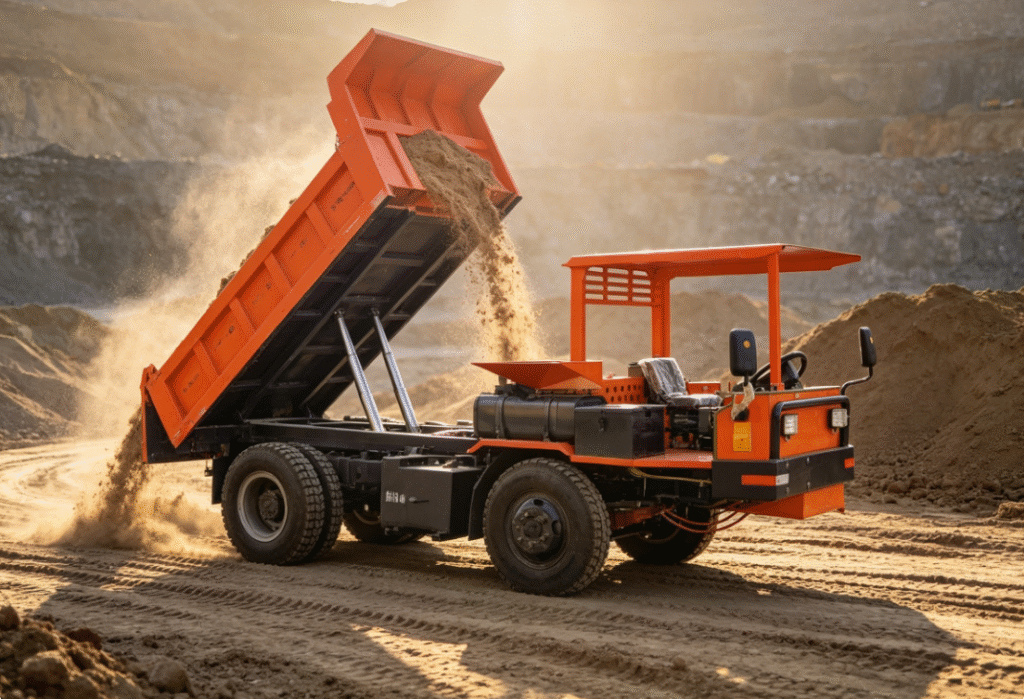
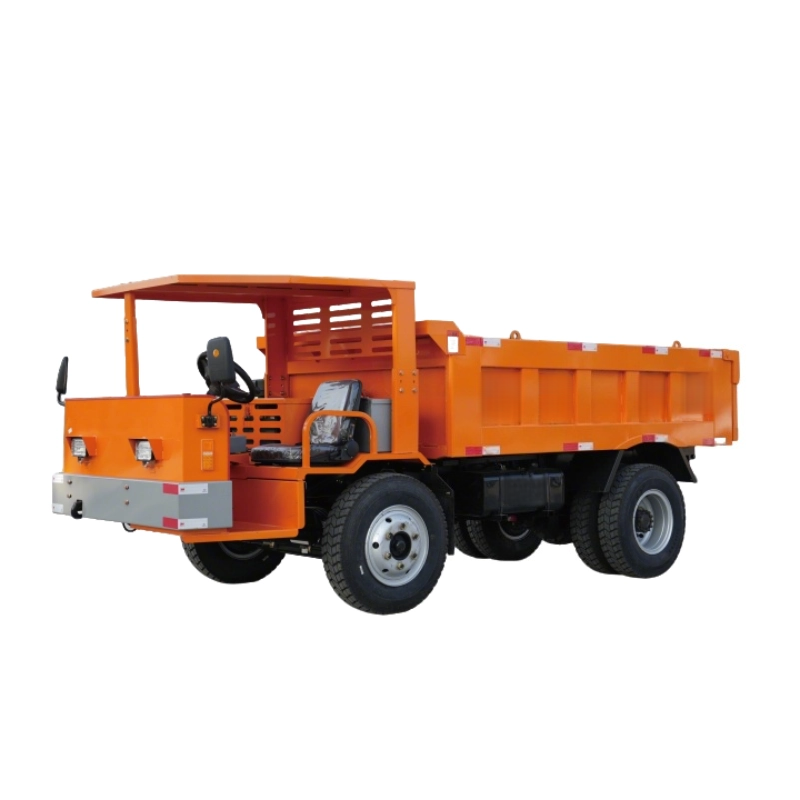
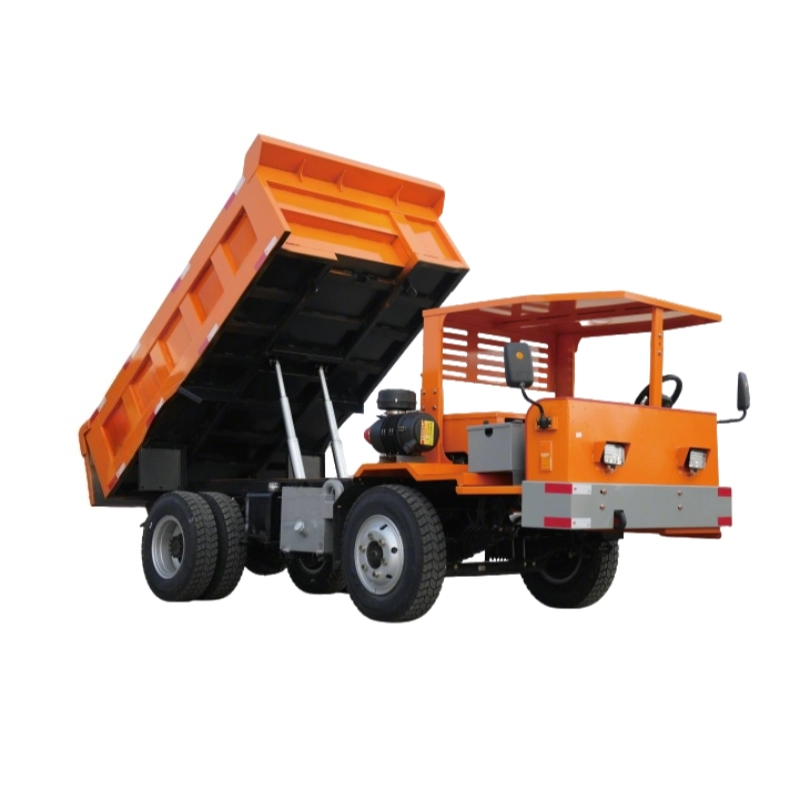
In contrast, underground mining trucks are defined by the “Low Profile” (LP) design. Because underground galleries and tunnels have strict height and width limitations, these trucks are built long and narrow. Instead of a rigid frame, underground haulers almost exclusively use articulated steering. This allows the front and rear sections of the vehicle to pivot independently, enabling the truck to navigate tight 90-degree turns and uneven mine floors that would be impossible for a surface truck to manage.
Haulage Capacity and Performance Dynamics
The scale of production differs significantly between surface and subterranean environments, which is reflected in the payload capacities:
- Open Pit Trucks: These units typically range from 90 to 400 metric tons. They are designed to work in conjunction with large-scale electric shovels or hydraulic excavators. Their performance is measured by their ability to maintain speed on long, steady uphill grades (ramps).
- Underground Trucks: These machines generally operate in the 10 to 60 metric ton range. While smaller in scale, they are engineered for high torque and rapid cycle times in confined spaces.
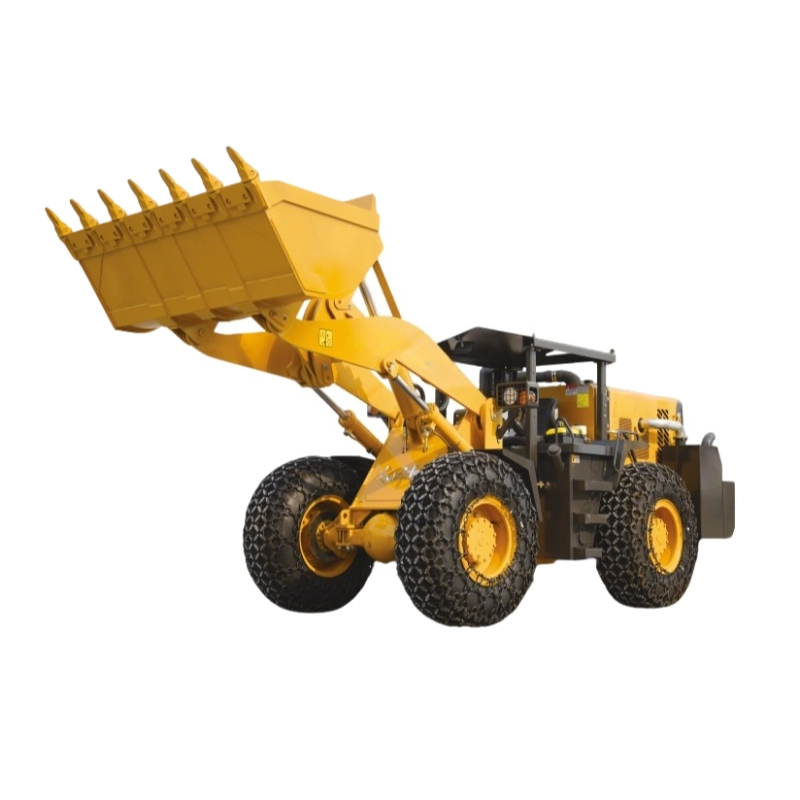
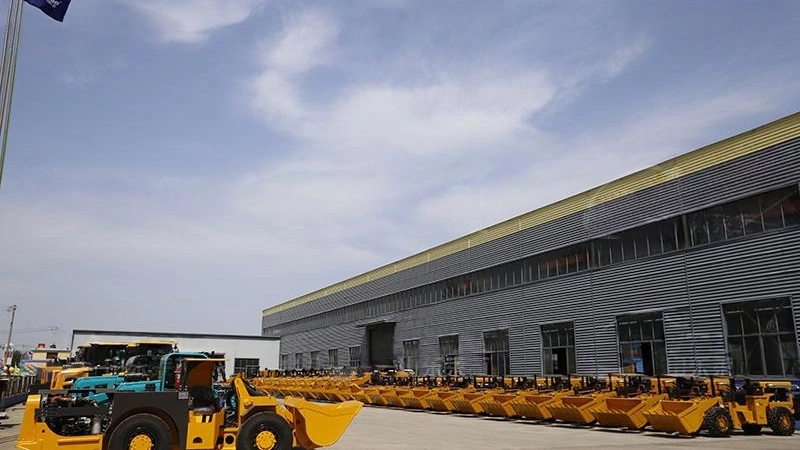
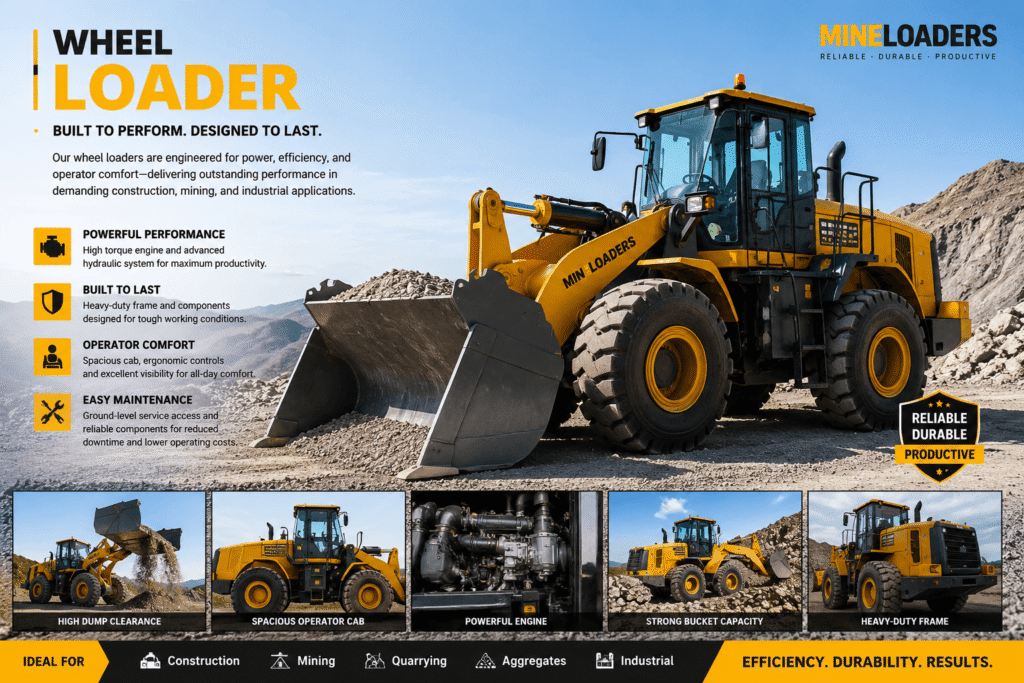
For many mid-tier operations, specialized equipment like those found in the Mineloaders truck category bridges the gap, offering high-capacity underground solutions that maintain the necessary maneuverability for modern trackless mining.
Comparison Table: Technical Specifications at a Glance
| Feature | Open Pit (Surface) Trucks | Underground Mining Trucks |
| Steering System | Rigid Frame / Front Axle Steer | Articulated / Oscillating Hitch |
| Payload Range | 90t – 400t+ | 10t – 65t |
| Drive System | Mechanical or Electric AC Drive | Mostly Mechanical / Power Shift |
| Tire Configuration | Standard Dual Rear | Low Profile / Specialized Compound |
| Braking | Oil-cooled Multiple Disc | Fully Enclosed Wet Disc (SAHR) |
| Primary Limitation | Turning Radius / Bench Width | Ceiling Height / Ventilation |
Environmental Adaptation and Exhaust Management
In surface mining, engine emissions disperse into the atmosphere, allowing for the use of massive diesel engines with standard Tier 4 or Stage V compliance. The primary concern here is fuel efficiency and thermal management during long hauls.
Underground mining presents a “closed-loop” atmospheric challenge. Ventilation is the highest overhead cost in underground operations. Consequently, underground mining trucks require sophisticated exhaust after-treatment systems, such as Diesel Particulate Filters (DPF) and Selective Catalytic Reduction (SCR), to minimize the release of Nitrogen Oxides (NOx) and Particulate Matter (DPM).
This environmental constraint is also driving the rapid adoption of Battery Electric Vehicles (BEVs) in the underground sector. Electric underground trucks eliminate tailpipe emissions and significantly reduce heat output, lowering the burden on mine cooling systems.
Safety Standards and Operator Environment
Safety protocols are stringent for both mining truck types, but the risks they mitigate differ:
Open Pit Safety (Visibility Focused):
Due to the sheer size of surface trucks, blind spots are a major hazard. Modern surface fleets utilize radar-based object detection, 360-degree camera systems, and GPS collision avoidance to protect smaller support vehicles.
Underground Safety (Structural Focused):
Underground trucks must comply with rigorous ROPS (Roll-Over Protective Structure) and FOPS (Falling Object Protective Structure) certifications. Because the operator is working directly beneath a rock ceiling, the cab must be a reinforced “survival cell.” Furthermore, underground trucks feature advanced fire suppression systems, as a vehicle fire in a tunnel is a catastrophic event compared to a fire on a surface bench.
Maneuverability and Ground Conditions
Open pit mines utilize engineered haul roads with specific grades and drainage. Surface trucks are optimized for these “predictable” surfaces. However, underground mines often deal with wet, slippery, and uneven floors within a declining tunnel (decline).
This is why underground trucks utilize 4-wheel drive and oscillating hitches. The oscillation allows all wheels to maintain contact with the ground even when the front of the truck is on a different plane than the rear. This ensures constant traction, which is critical when climbing steep 1:7 or 1:9 grades with a full load of ore.
Conclusion: Selecting the Right Fleet
The choice between open pit and underground truck designs is rarely a choice of preference, but one of geological and structural necessity. While surface trucks provide the lowest cost-per-ton for massive deposits, underground trucks offer the precision and environmental compliance required to extract high-value veins deep within the earth.
When evaluating haulage solutions, it is vital to consider the specific dimensions of your mine’s infrastructure. For projects requiring high-performance, compact haulage, exploring specialized mining truck types ensures that the equipment matches the physical and regulatory constraints of the site.
FAQ
What is the main difference between a rigid frame and an articulated mining truck?
Rigid frame trucks (common in open pit) use a solid chassis for maximum payload and stability. Articulated trucks (common in underground) have a pivot point between the cab and the dump body, allowing for a much tighter turning radius and better traction on uneven terrain.
Can an open pit truck be used underground?
Generally, no. Open pit trucks are too high and wide for standard underground headings. Additionally, they lack the specific exhaust scrubbers and cooling systems required to operate safely in confined spaces with limited ventilation.
Why are underground mining trucks getting smaller while surface trucks get larger?
Surface trucks scale up to achieve better economies of scale. Underground trucks are designed to stay as compact as possible to minimize the amount of waste rock that must be excavated to create tunnels, which significantly reduces development costs.
Do underground mining trucks use different tires than surface trucks?
Yes. Underground tires often feature cut-resistant compounds and “smooth” or “deep lug” patterns designed to withstand sharp rocks and wet conditions found in tunnels, whereas surface tires focus on heat dissipation during high-speed hauls.
Reference Sources
- ISO 3449: Earth-moving machinery — Falling-object protective structures (FOPS) — Laboratory tests and performance requirements.
- ISO 3471: Earth-moving machinery — Roll-over protective structures (ROPS) — Laboratory tests and performance requirements.
- MSHA (Mine Safety and Health Administration): Performance-based standards for underground haulage.
- SAE J1164: Labeling of ROPS and FOPS.
- Mining, Metallurgy & Exploration (MME) Journal: Technical papers on haulage cycle optimization.