Choosing an underground LHD supplier involves more than comparing bucket capacity or purchase price. Mine operators and procurement teams also need to consider roadway dimensions, payload requirements, haul distances, ventilation, maintenance resources, spare parts, and supplier support.
A practical evaluation process can help buyers compare different suppliers on the same criteria and identify which machines are worth discussing before requesting a formal quotation or arranging a site trial.
What to Check When Evaluating an Underground LHD Supplier
An underground LHD has to work within the physical and operational limits of the mine. Before contacting suppliers, prepare basic information about:
- Underground roadway height and width
- Available turning space
- Typical and maximum payload
- Haul distance and gradients
- Ore or rock characteristics
- Expected operating hours and duty cycle
- Ventilation conditions
- Workshop and maintenance capabilities
- Local equipment and safety requirements
This information gives suppliers a clearer basis for recommending equipment instead of responding with a generic product catalogue.
It is also useful to understand how an LHD performs its load-haul-dump cycle before comparing specifications. For a technical overview, see our guide to how an underground LHD works.
For an initial product comparison, buyers can also review the Underground LHD equipment range and then compare individual machines against their own site requirements.
1. Check Machine Size and Underground Working Conditions
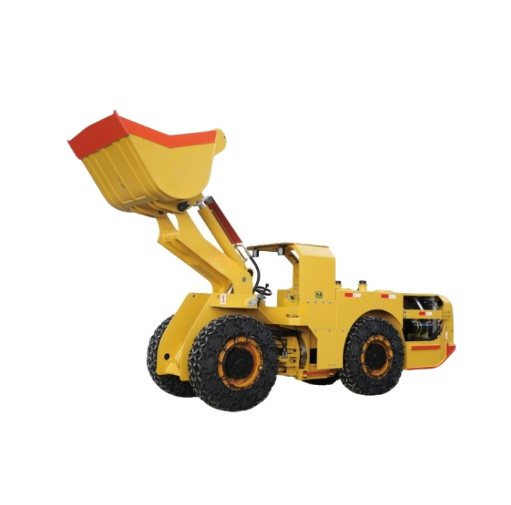
Machine dimensions are among the first specifications to verify.
An LHD may have an appropriate bucket capacity but still be unsuitable if its overall width, height, or turning characteristics do not match the mine’s working area. Ask the supplier for dimensional drawings and confirm the assumptions behind the proposed configuration.
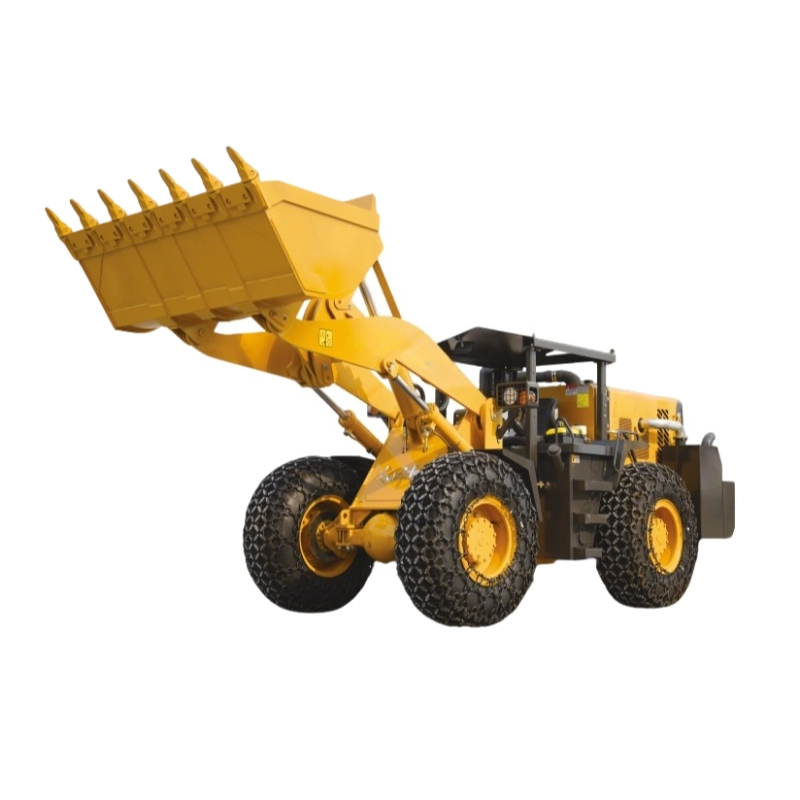
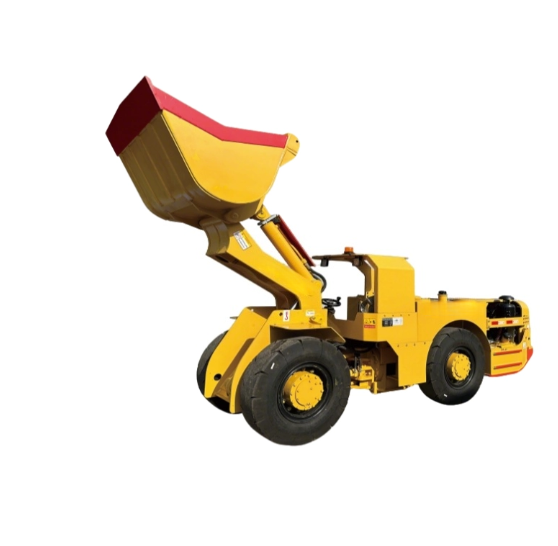
For example, a compact option such as the WJ-1 Underground Internal Combustion Scraper is listed with a 1 m³ bucket and a 2,000 kg rated load. Its listed dimensions are approximately 5,880 × 1,300 × 2,000 mm.
For applications requiring a larger listed capacity, the WJ-2 Underground Internal Combustion Scraper is listed with a 2 m³ bucket and a 4,000 kg rated load.
These examples show why payload should not be evaluated separately from machine dimensions. A larger machine may offer greater carrying capacity while requiring more working space.
2. Compare Payload With the Actual Duty Cycle
Payload is important, but it does not tell the whole story.
When comparing underground LHD equipment, consider the relationship between:
- Bucket capacity
- Rated load
- Machine weight
- Tractive performance
- Gradeability
- Travel speed
- Turning radius
- Loading and dumping conditions
The expected duty cycle is particularly useful when preparing an RFQ. A supplier can then explain why a particular configuration has been proposed and what assumptions were used.
Haul distance should also be considered. An LHD may be suitable for loading and relatively short-distance transport, while longer underground haul routes may make a loader-and-truck combination more practical.
For a more detailed comparison, see Underground LHD vs. Truck: Key Differences for Mining Efficiency.
3. Review Diesel, Electric and Ventilation Requirements
Powertrain selection can affect the mine’s operating conditions and infrastructure requirements.
For a diesel-powered LHD, buyers should consider engine specifications, emissions-control equipment, maintenance requirements, and the implications for underground ventilation.
NIOSH provides background information on diesel aerosols and gases in underground mining environments, which can be useful when reviewing diesel equipment requirements. See the NIOSH guidance on diesel aerosols and gases in underground mines for additional technical background.
Local requirements should also be checked for the specific mine location. For example, buyers in Ontario can review the Ontario government guidance on ventilation requirements for diesel-powered equipment.
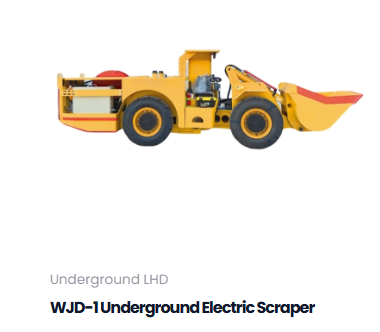
For an electric configuration, the evaluation changes. Power availability, cable management, operating range, electrical infrastructure, and maintenance requirements may become more important.
For example, the WJD-1 Underground Electric Scraper is listed with a 1 m³ bucket and a 2,000 kg rated load.
The choice between diesel and electric should therefore be based on the mine’s infrastructure and operating conditions rather than on the power source alone.
4. Look at the Supplier’s Product Range
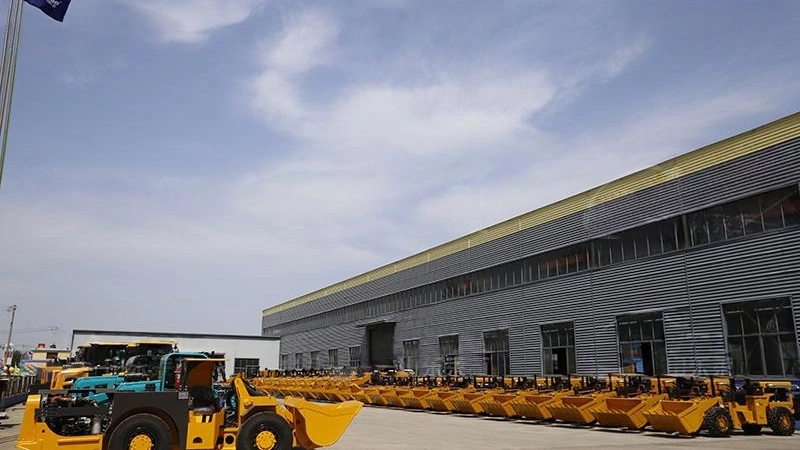
A supplier with several LHD configurations may give buyers more flexibility when matching equipment to different headings or production requirements.
However, a broad product range should not be treated as proof that every machine is suitable for a particular mine. The more useful question is whether the supplier can provide technical information that allows the buyer to verify the proposed configuration.
When reviewing a supplier’s range, compare:
- Machine dimensions
- Bucket capacity
- Rated load
- Powertrain
- Steering and maneuverability
- Maintenance access
- Optional configurations
- Available technical documentation
The Underground LHD equipment range can be used as a starting point, while individual product specifications should be used for the actual technical comparison.
5. Evaluate Parts, Service and Commissioning Support
The purchase price is only one part of the equipment decision.
Ask suppliers about:
- Spare-parts availability
- Recommended initial spare kits
- Parts lead times
- Warranty arrangements
- Troubleshooting support
- Operator training
- Maintenance training
- Commissioning
- On-site technical assistance
This is particularly relevant for mines located far from the equipment supplier. A machine with suitable specifications may still create operational challenges if critical components have long delivery times.
Ask suppliers to identify critical wear parts and recommended stock levels. It is also useful to distinguish between standard equipment and optional components when comparing quotations.
Underground LHD Supplier Comparison Checklist
| Evaluation area | What to check | Why it matters |
|---|---|---|
| Machine dimensions | Height, width and turning space | Helps assess underground clearance |
| Payload | Bucket capacity and rated load | Allows comparison with the duty cycle |
| Route conditions | Gradients, haul distance and maneuverability | Helps assess operating suitability |
| Powertrain | Diesel or electric configuration | Affects infrastructure and operating requirements |
| Ventilation | Emissions and ventilation information | Supports mine-specific planning |
| Maintenance | Service intervals and access | Helps estimate maintenance requirements |
| Spare parts | Availability and lead times | Helps manage potential downtime |
| Training | Operator and maintenance training | Supports equipment introduction |
| Commissioning | Testing and acceptance arrangements | Clarifies supplier responsibilities |
RFQ Checklist for Underground LHD Equipment
A useful RFQ should give every supplier the same basic information.
Site Information
- Roadway height and width
- Turning and maneuvering restrictions
- Typical and maximum gradients
- Haul distance
- Material characteristics
- Expected payload
- Operating hours
- Ventilation information
- Workshop capabilities
Supplier Response
Ask suppliers to provide:
- Machine dimensions and drawings
- Bucket capacity and rated load
- Engine or electric-drive information
- Emissions-control information where applicable
- Maintenance schedule
- Recommended spare-parts list
- Warranty terms
- Training scope
- Commissioning arrangements
- Estimated lead time
- Optional equipment and configuration differences
Using the same information for each supplier makes quotations easier to compare and reduces the chance of evaluating different machines against different assumptions.
When Should You Consider a Site Trial?
A site trial can be useful when underground conditions are difficult to represent through specifications alone.
This may include mines with:
- Restricted roadways
- Tight turning areas
- Unusual haul routes
- Specific loading conditions
- Particular ventilation constraints
- Special maintenance requirements
Before testing, agree on what should be measured. Depending on the application, this could include cycle time, payload, maneuverability, energy or fuel consumption, operator feedback, and maintenance access.
The objective is to compare actual performance with previously agreed requirements rather than relying only on catalogue specifications.
FAQ
What information should I provide to an underground LHD supplier?
Start with roadway dimensions, expected payload, haul distance, gradients, duty cycle, material characteristics, and relevant ventilation information. The more site-specific the RFQ, the easier it is for suppliers to respond with an applicable configuration.
Is a larger underground LHD always better?
Not necessarily. A larger machine may provide greater payload but can also require more working space. Machine dimensions, route conditions, payload, and cycle requirements should be evaluated together.
Should I choose a diesel or electric underground LHD?
It depends on the mine. Diesel and electric configurations have different infrastructure, ventilation, mobility, and maintenance considerations. Compare the available options against the actual operating environment rather than selecting by powertrain alone.
What should I ask about spare parts?
Ask for a recommended spare-parts list, critical component lead times, and suggested initial stock. This information can help you estimate potential maintenance and downtime risks associated with the proposed machine.
When is an LHD and truck combination worth considering?
The answer depends largely on haul distance, production requirements, and mine layout. LHDs can handle loading and shorter-distance hauling, while an LHD-and-truck system may be worth evaluating when material needs to travel farther. See our comparison of underground LHDs and haul trucks for more detail.
Final Checklist Before Selecting an Underground LHD Supplier
Before comparing final quotations, check whether each supplier has clearly addressed:
- Machine dimensions and underground clearance
- Bucket capacity and rated load
- Duty cycle and haul-route requirements
- Diesel or electric configuration
- Ventilation and emissions considerations
- Maintenance requirements
- Spare-parts availability
- Training and commissioning
- Site testing or acceptance requirements
The objective is not simply to identify an underground LHD supplier, but to determine whether the proposed machine, configuration, and support package fit the mine’s actual requirements.
For buyers beginning their shortlist, the Underground LHD equipment range provides a starting point for comparing available models. Individual specifications, configuration, certification, price, lead time, and site suitability should be confirmed with the supplier before purchase.