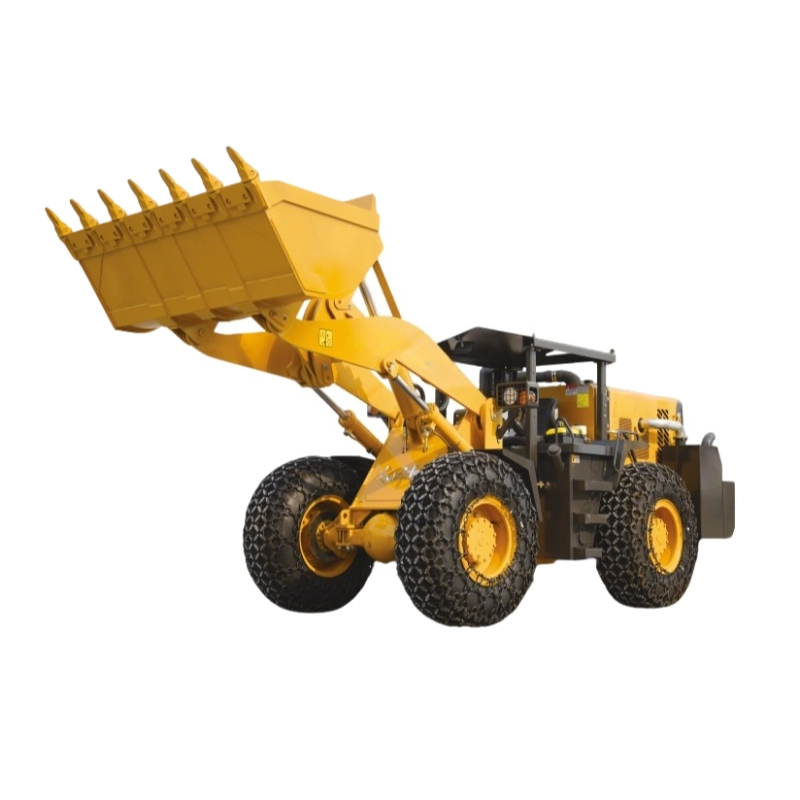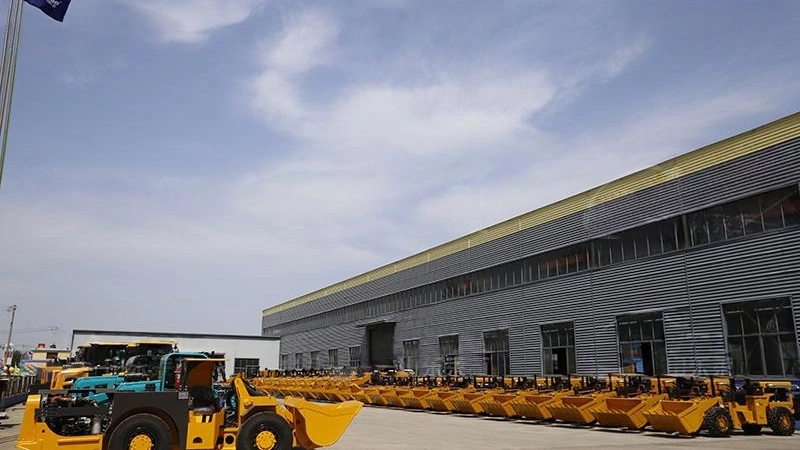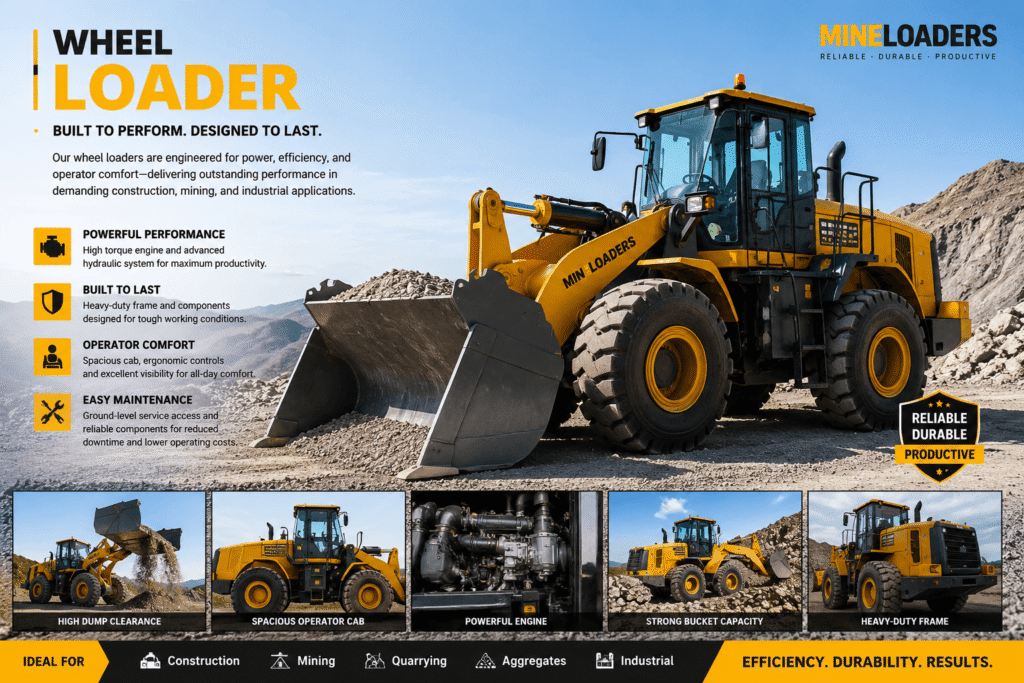
Choosing the right underground LHD manufacturer requires more than comparing machine specifications or purchase prices. For mining companies, contractors and equipment distributors, the suitable loader depends on underground conditions, production requirements, maintenance capabilities and long-term operational support.
An underground LHD (Load-Haul-Dump) loader must match the mine environment where it will operate. Factors such as tunnel dimensions, haul distances, material characteristics, ventilation systems and available service resources all influence whether a machine can deliver stable performance.
Before requesting quotations, buyers should prepare a clear list of technical requirements and supplier evaluation criteria. This helps compare manufacturers more effectively and reduces the risk of selecting equipment that does not fit the actual mining application.
For buyers comparing different mining equipment suppliers, understanding the difference between a manufacturer, supplier and trading company can also help during the sourcing process. You can also review our guide on choosing a reliable mining loader supplier to understand key supplier evaluation factors.
What Should Buyers Ask an Underground LHD Manufacturer First?
The first step is confirming whether the proposed machine matches the mine site conditions.
Before discussing price or delivery schedules, buyers should provide basic operational information, including:
- Underground tunnel width and height
- Maximum ramp gradient
- Turning radius requirements
- Expected bucket capacity
- Material density and loading conditions
- Daily operating hours
- Maintenance resources available onsite
An experienced underground LHD manufacturer should be able to review these conditions and explain whether a specific loader configuration is suitable.
For example, a narrow-vein underground mine may prioritize compact dimensions and maneuverability, while a larger operation may focus more on payload capacity and cycle efficiency.
These differences mean that the “largest” or “most powerful” machine is not always the most suitable choice. Equipment selection should be based on the actual production environment.
Key Factors When Evaluating an Underground LHD Manufacturer
1. Machine Size, Capacity and Underground Fit
Underground mining environments often have limited working space. Loader dimensions directly affect transportation, turning ability and productivity.
When comparing manufacturers, buyers should check:
- Bucket capacity and rated payload
- Overall machine dimensions
- Articulation angle
- Ground clearance
- Turning radius
- Service access space
The manufacturer should provide technical drawings and operating specifications that allow engineers to confirm whether the machine fits existing headings and haul routes.
For mines requiring higher productivity, larger underground loaders may provide advantages in material handling efficiency. However, compact LHD loaders can be more practical in restricted underground environments where space is limited.
Buyers evaluating different models can also compare specifications with our information about underground LHD loader capacity and understand how bucket size affects operating requirements.
2. Powertrain Options and Underground Emissions
Power system selection is an important consideration for underground operations.
Traditional diesel-powered LHD loaders remain widely used because of their flexibility and established maintenance systems. However, buyers need to consider ventilation requirements and emission management.
According to guidance from the National Institute for Occupational Safety and Health (NIOSH), diesel emissions in underground mining environments require appropriate engineering controls and workplace management practices.
When discussing diesel equipment, buyers should ask manufacturers about:
- Engine emission standards
- Exhaust treatment systems
- Ventilation requirements
- Fuel consumption expectations
- Maintenance requirements
Battery-electric LHD options are also becoming an option for some underground projects. However, they require additional consideration, including:
- Charging infrastructure
- Battery management
- Electrical maintenance capability
- Operating time per shift
The right choice depends on mine conditions, infrastructure and operational planning rather than a single technical specification.
3. Ventilation and Workplace Conditions
Ventilation is one of the most important factors when selecting underground mining equipment.
For diesel underground loaders, buyers should provide information about:
- Existing airflow capacity
- Working depth
- Operating hours
- Environmental conditions
Manufacturers can then recommend suitable configurations based on expected operating conditions.
The Mine Safety and Health Administration (MSHA) Powered Haulage Safety Program also highlights the importance of managing risks associated with mobile mining equipment operations.
A supplier should not only provide equipment specifications but also understand how the machine will operate within the mine’s overall production system.
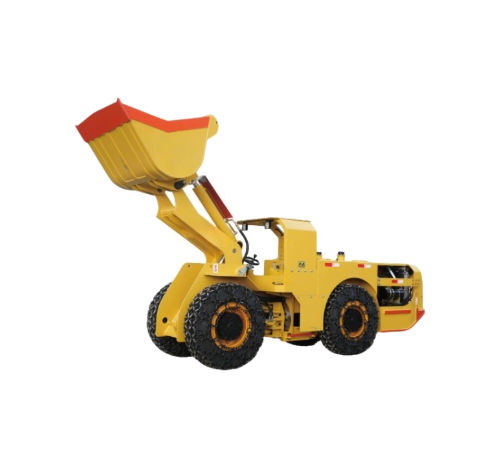
4. Service Support, Spare Parts and After-Sales Capability
Selecting an underground LHD manufacturer is not only an equipment decision but also a long-term operational decision.
A machine that performs well during the first months of operation still requires reliable maintenance support, spare parts availability and technical assistance throughout its service life.
During supplier evaluation, buyers should ask:
- What spare parts are recommended for the first year of operation?
- How quickly can critical components be supplied?
- Is remote technical support available?
- Are maintenance manuals and troubleshooting documents provided?
- Can operators and technicians receive training?
For mining operations located far from the manufacturer, spare parts planning becomes especially important. Buyers should identify high-wear components, maintenance cycles and possible downtime risks before signing a purchase agreement.
A reliable supplier should provide clear documentation, including:
- Operation manuals
- Maintenance schedules
- Parts catalogues
- Technical drawings
- Warranty conditions
These details help mining teams establish realistic maintenance plans after equipment delivery.
5. Operator Safety, Visibility and Control Systems
Operator environment directly affects both productivity and equipment utilization.
When evaluating an underground loader, buyers should consider:
- Operator cabin visibility
- Seat and control adjustment
- Monitoring systems
- Emergency functions
- Operator training requirements
Modern underground loaders may include monitoring systems that provide information about machine status, operating hours and maintenance requirements.
However, technology features should be evaluated based on practical operating needs. A mine should consider whether operators and maintenance teams can effectively use these systems within their existing workflow.
For projects comparing different equipment solutions, reviewing the complete machine configuration rather than individual features helps create a more accurate purchasing decision.
Diesel LHD vs Battery-Electric LHD: Key Comparison Factors
| Factor | Diesel LHD | Battery-Electric LHD |
|---|---|---|
| Emissions | Requires consideration of exhaust emissions and ventilation planning | Lower direct underground exhaust emissions |
| Infrastructure | Uses established fuel supply systems | Requires charging equipment and electrical planning |
| Maintenance | Requires engine-related servicing | Requires battery and electrical system management |
| Operation Range | Suitable for longer operating cycles with refuelling support | Depends on battery capacity and charging strategy |
| Site Requirements | Works with existing diesel infrastructure | Requires evaluation of power availability |
The suitable powertrain depends on mine layout, production requirements, infrastructure conditions and operational planning.
Rather than selecting equipment based only on technology type, buyers should evaluate the complete operating environment.
Preparing an RFQ for an Underground LHD Manufacturer
A detailed RFQ helps manufacturers provide more accurate recommendations.
Before contacting suppliers, prepare information such as:
| Requirement | Information to Provide |
|---|---|
| Underground layout | Tunnel width, height, turning space and route restrictions |
| Working conditions | Material type, loading environment and operating hours |
| Production targets | Expected bucket loads, cycle times and daily requirements |
| Ventilation | Existing airflow capacity and operating limitations |
| Maintenance capability | Workshop facilities, tools and technician availability |
| Delivery requirements | Location, logistics conditions and expected schedule |
Providing detailed project information allows suppliers to recommend suitable machine configurations instead of providing generic quotations.
For buyers planning to import mining equipment from China, it is also important to understand supplier verification, technical communication and logistics preparation. You can refer to our guide on how to import mining equipment from China for additional sourcing considerations.
Total Cost of Ownership Considerations
Initial purchase price is only one part of equipment evaluation.
Mining companies should also consider:
- Maintenance frequency
- Spare parts availability
- Expected operating hours
- Fuel or energy consumption
- Technician requirements
- Equipment downtime risks
A lower initial price does not always represent lower operating costs. Buyers should request operational information from manufacturers and compare equipment based on the complete lifecycle requirements.
For this reason, experienced mining buyers usually evaluate suppliers based on technical capability, support capacity and equipment suitability rather than quotation price alone.
Questions to Ask Before Selecting an Underground LHD Manufacturer
Can an underground LHD manufacturer recommend the right machine without a site visit?
Manufacturers can provide initial recommendations based on project information, but final equipment selection should consider actual mine conditions, engineering requirements and operational limitations.
Providing detailed site data during the RFQ stage improves the accuracy of supplier recommendations.
What information should be included when requesting an underground loader quotation?
A quotation request should include:
- Mining application
- Required payload
- Tunnel dimensions
- Working environment
- Power requirements
- Delivery location
- Service expectations
The more complete the information provided, the easier it is for suppliers to recommend suitable equipment.
How do I compare different underground LHD suppliers?
Compare suppliers based on several factors:
- Equipment specifications
- Manufacturing capability
- Technical support
- Spare parts supply
- Previous application experience
A supplier comparison should focus on whether the equipment matches the project requirements.
Are battery-electric underground loaders suitable for every mine?
Not necessarily. Battery-electric equipment can provide advantages in certain applications, but suitability depends on mine infrastructure, charging capability, operating schedules and maintenance resources.
What documents should I request before purchasing?
Buyers should request:
- Technical specifications
- Equipment drawings
- Maintenance documentation
- Spare parts list
- Warranty information
- Training details
These documents help confirm the machine configuration and prepare for commissioning.
Additional Buyer Checks Before Final Selection
Before making a final decision, mining companies should document:
- Normal and peak operating cycles
- Material characteristics
- Underground working dimensions
- Maintenance resources
- Operator requirements
- Safety procedures
When reviewing quotations, separate confirmed specifications from assumptions that require further validation.
A professional supplier should clearly identify machine capabilities, limitations and recommended operating conditions.
For companies evaluating underground loading equipment, reviewing available models and discussing application requirements with a supplier can help determine the most suitable configuration.
You can explore the available construction and mining equipment range and contact the supplier with your project requirements for further technical discussion.