News

 How Underground LHD Works: Core Mechanics Explained

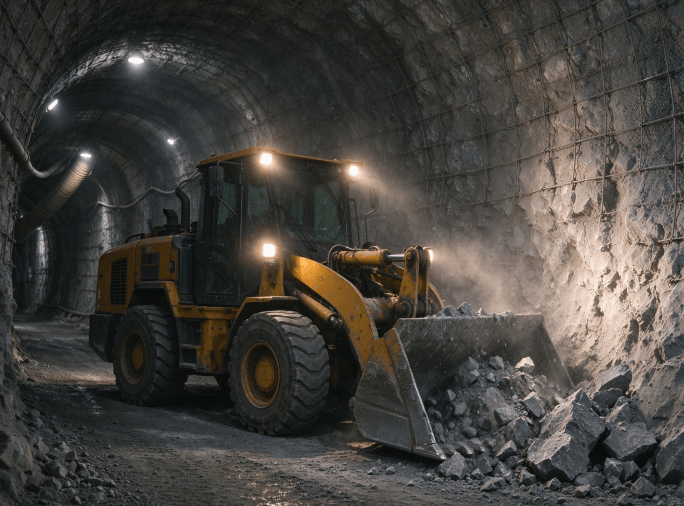
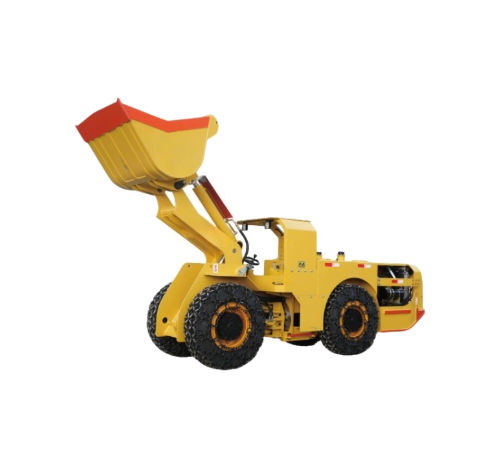
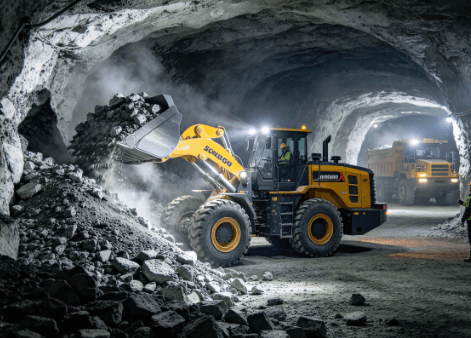
This article provides a comprehensive technical overview of how an underground LHD (Load, Haul, Dump) loader works in subterranean mining. Designed to navigate exceptionally narrow and uneven drifts, LHDs feature an ultra-low profile and a central articulated chassis that enables a remarkably tight turning radius.
The guide breaks down the core operational cycle—mucking, tramming, and dumping—highlighting the heavy-duty hydraulic kinematics required to generate massive breakout force against dense ore. It also compares the mechanics of internal combustion engines equipped with exhaust scrubbers against zero-emission electric powertrains, which drastically reduce mine ventilation loads.
Beyond kinematics, the article explores real-world engineering constraints such as thermal management, load limits, and stringent safety standards like ROPS/FOPS. Finally, it outlines essential preventative maintenance practices, including specialized tire management and hydraulic system care, to ensure maximum equipment longevity in highly abrasive hard rock environments.

 How Underground LHD Works: Core Mechanics Explained Read More »

underground LHD loader capacity

Underground LHD Loader Capacity & Performance Selection Guide

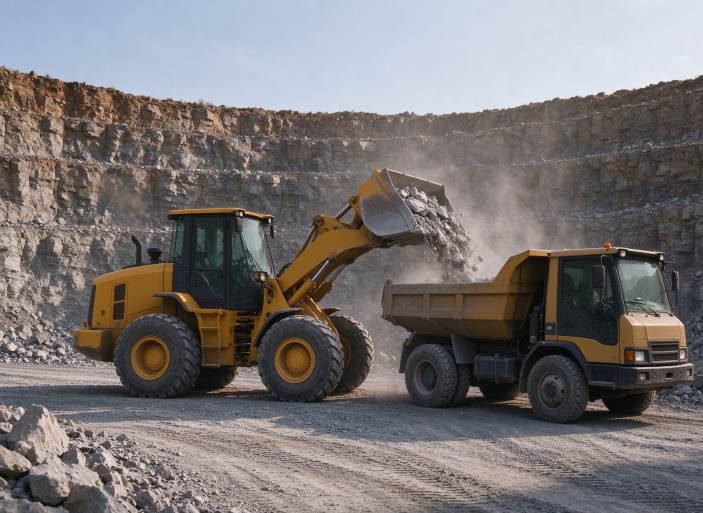
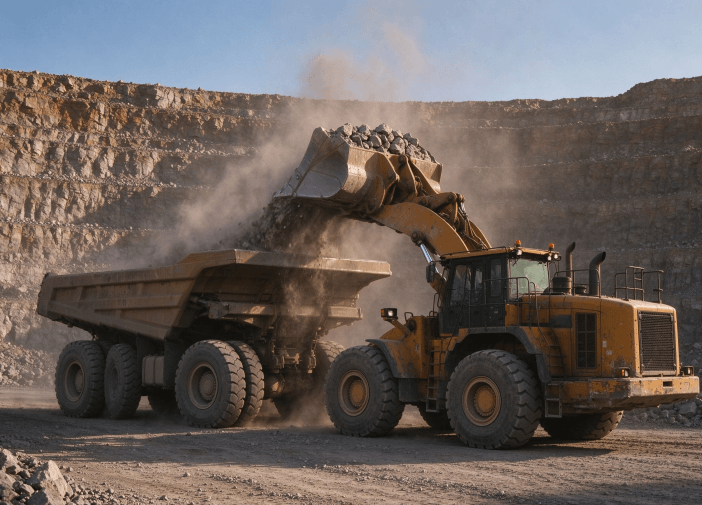
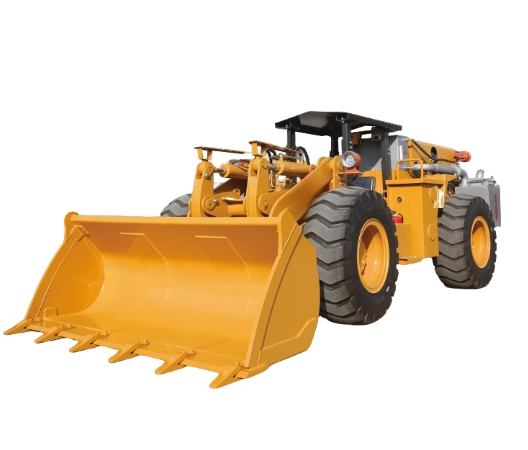
Understanding Underground LHD Loader Capacity and Performance In underground mining, the Load-Haul-Dump (LHD) machine is the heartbeat of production. Choosing the correct underground LHD loader capacity is not merely a matter of picking the largest bucket available; it is a complex engineering decision that balances geological constraints, material density, and cycle-time requirements. An undersized loader

Underground LHD Loader Capacity & Performance Selection Guide Read More »

Scroll to Top