News

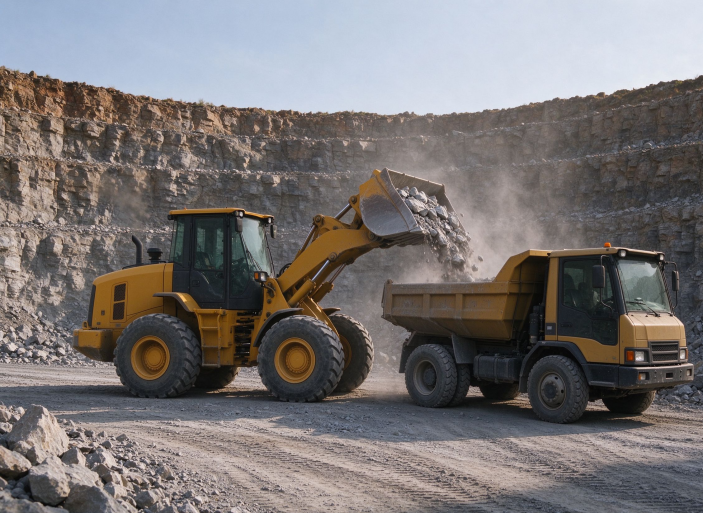
Mining Dump Truck Capacity Guide: How to Choose Payload

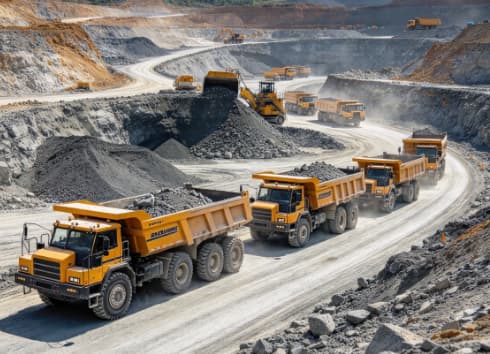
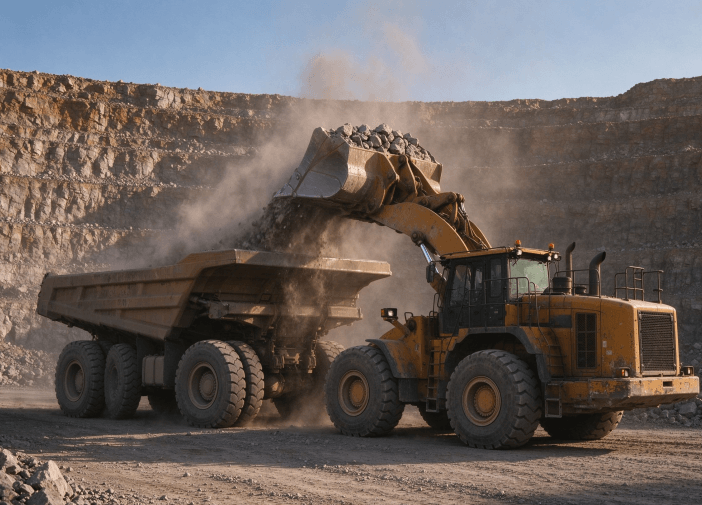
Choosing mining dump truck capacity should begin with the mine’s production target, not with the largest truck available. Payload affects fleet size, road geometry, loader matching, ventilation, and operating cost. For buyers comparing different classes, the Mining Truck product range provides model options, but every capacity figure should be verified from the selected product page. Capacity Is

Mining Dump Truck Capacity Guide: How to Choose Payload Read More »

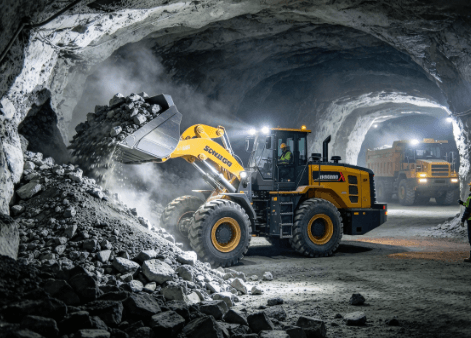
underground mining truck

Underground Mining Truck: Specifications and Selection Guide

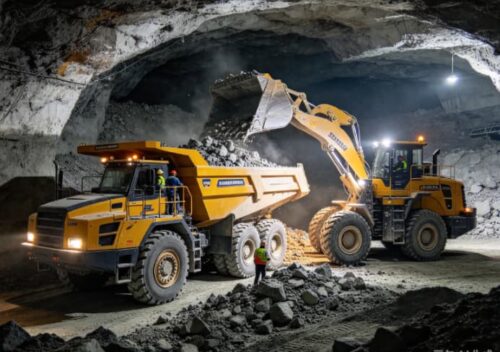
Selecting an underground mining truck requires more than comparing payload capacity. The truck must fit the tunnel, match the loading equipment, handle the mine’s grades, and complete the required haul cycle without creating unnecessary maintenance or ventilation problems. Buyers can start with the Mining Truck product range to identify candidate models, then verify each machine

Underground Mining Truck: Specifications and Selection Guide Read More »

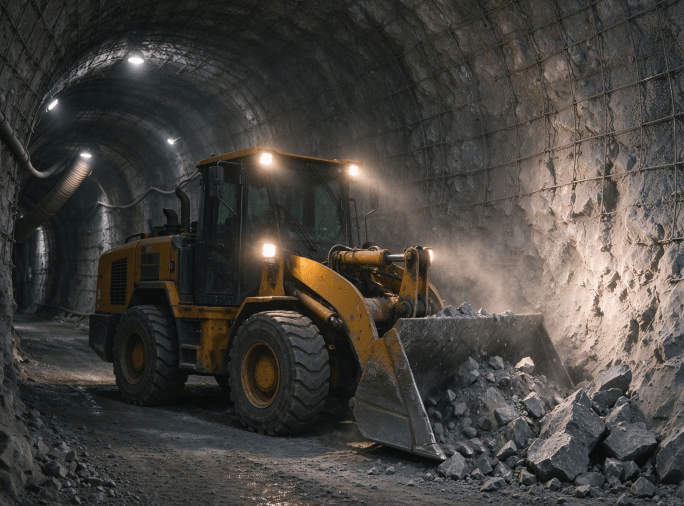
underground LHD specifications

Underground LHD Specifications Buyers Should Compare Before Purchase

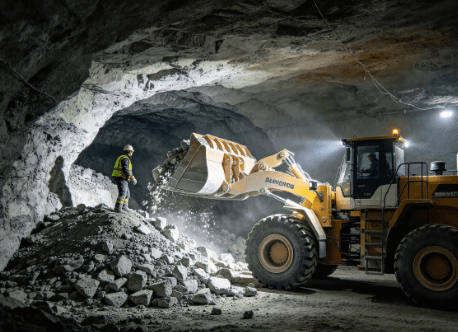
Underground LHD specifications should be read as a connected system, not as isolated numbers. A loader with the right nominal payload can still be a poor fit if its turning envelope, bucket configuration, braking system, or maintenance access does not match the mine. For buyers building a shortlist, start with the Underground LHD product range and

Underground LHD Specifications Buyers Should Compare Before Purchase Read More »

electric underground LHD-1

Electric Underground LHD vs Diesel LHD: Practical Comparison

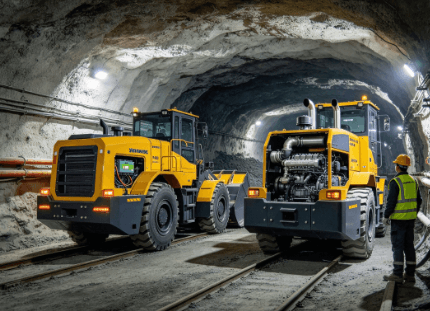
Choosing between an electric underground LHD and a diesel LHD is not simply a question of fuel type. Powertrain choice affects ventilation, mine infrastructure, duty cycle, maintenance requirements, and operating flexibility. For procurement teams, the better option depends on actual mine conditions. Buyers should compare model-specific specifications and site requirements rather than assuming electric or

Electric Underground LHD vs Diesel LHD: Practical Comparison Read More »

10 ton underground LHD

10 ton underground LHD — Key factors for specification, procurement, and site fit

A 10 ton underground LHD is typically considered for mines requiring higher material movement per cycle while working within underground clearance, grade, ventilation, and maintenance limits. However, “10 ton” should be treated as a nominal equipment class. Buyers should confirm the exact rated payload, bucket configuration, machine dimensions, braking system, and powertrain from the selected

10 ton underground LHD — Key factors for specification, procurement, and site fit Read More »

5 ton mining loader-1

5 Ton Mining Loader: Applications, Specifications and Buying Considerations

A 5 ton mining loader is a buyer-stage search term used by procurement teams and engineers evaluating dedicated loaders for short-haul loading, face support, or ancillary tasks in surface and underground operations. Because “5 ton” typically denotes nominal rated load, buyers must confirm rated load, configuration, and compliance details from the chosen model’s official documentation

5 Ton Mining Loader: Applications, Specifications and Buying Considerations Read More »

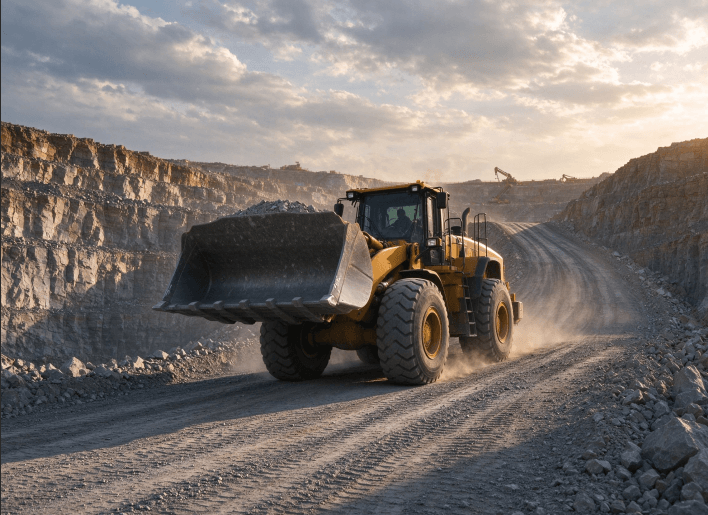
Mining Loader Capacity Guide: How to Choose the Right Bucket and Payload

Introduction — Selecting a mining loader capacity requires balancing site-specific inputs, production targets, and machine configuration. This guide explains the technical relationships between bucket volume, payload, material properties, cycle time, and operating constraints so procurement and engineering teams can produce a defensible shortlist and RFQ requirements. Why capacity is not a single number Mining loader

Mining Loader Capacity Guide: How to Choose the Right Bucket and Payload Read More »

Scroll to Top