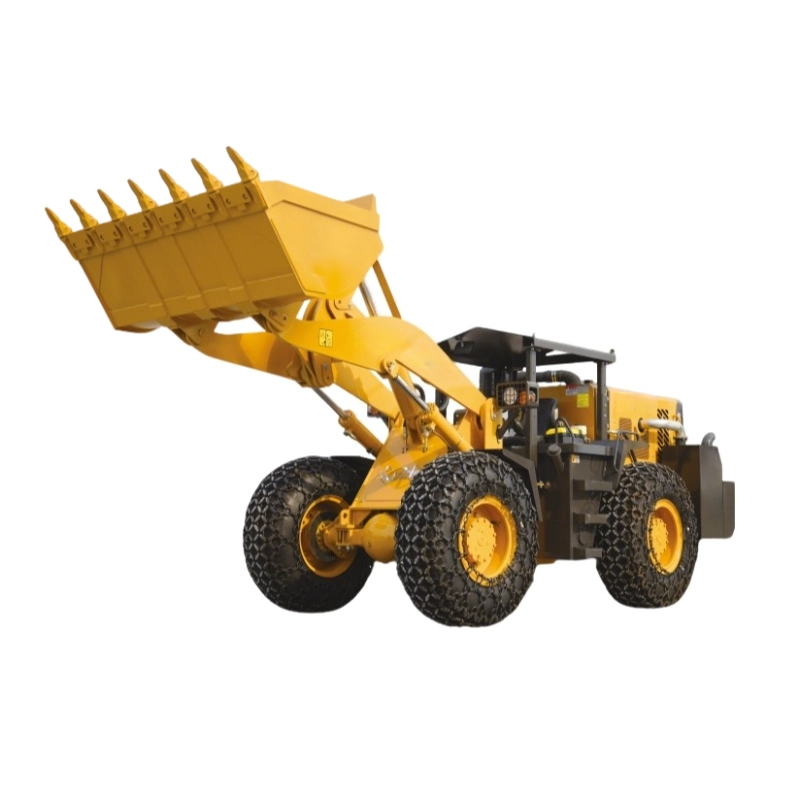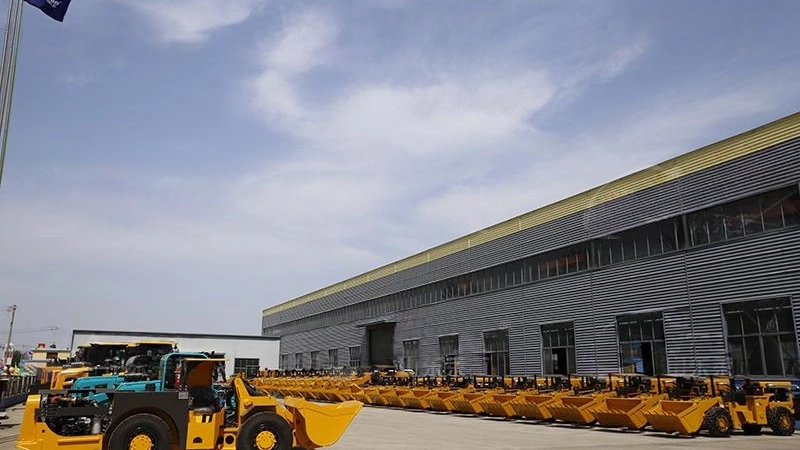
The WJ-1 and WJD-1 are listed as two-tonne underground scrapers with one-cubic-metre buckets. The WJ-2 carries a four-tonne rating with a two-cubic-metre bucket. Among these underground scraper models, the useful choice turns on working space, material movement and the WJD-1’s cable-electric arrangement.
“Scraper” here means a wheeled load-haul-dump machine. It does not mean a surface earthmoving scraper or wire-rope scraping system. Use the full product name when comparing specifications, particularly because a separate WJ-1 pry machine appears in the same equipment family.
What differs between WJ-1, WJ-2 and WJD-1?
The comparison below uses the published WJ-1, WJ-2 and WJD-1 listings. These are named configurations, not universal specifications for every machine carrying a similar model code.
| Published item | WJ-1 | WJ-2 | WJD-1 |
| Rated payload | 2,000 kg | 4,000 kg | 2,000 kg |
| Bucket | 1 m³ | 2 m³ | 1 m³ |
| Machine weight | 7,000 kg | 13,000 kg | 7,000 kg |
| Listed dimensions, mm | 5,880 × 1,300 × 2,000 | 7,309 × 1,810 × 2,038 | 5,880 × 1,300 × 2,000 |
| Power arrangement | Internal combustion | Internal combustion | Electric motor with cable take-up |
| Listed drive | 4WD | 4WD | 4WD |
The WJ-1 and WJD-1 length entries refer to the transport state. Matching catalogue dimensions do not establish identical operating envelopes. Cable equipment, bucket position and access for servicing need separate consideration.
The WJ-2 is only slightly taller in the published table, but substantially wider and longer. A height-only comparison could therefore miss the more restrictive difference. Check crosscuts and loading positions before deciding that the larger model fits.
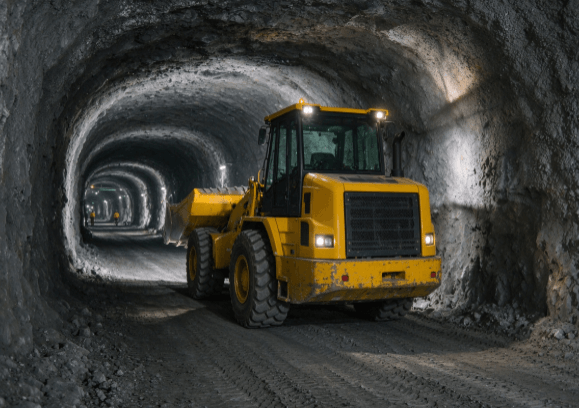
Narrow-drift loading versus higher-payload applications
The WJ-1 and WJD-1 share a listed width of 1,300 mm; the WJ-2 is listed at 1,810 mm. That 510 mm difference can change the practical shortlist. It does not define the clearance allowance required by the mine.
Turning space also differs. The smaller scraper listings give a 4,260 mm outer turning radius, compared with 5,300 mm for the WJ-2. Confirm the measurement reference and complete swept path before applying either figure to a corner.
A larger bucket helps only when material and geometry permit a larger working load. Dense ore may reach rated payload before filling the bucket. Coarse fragmentation can prevent good filling even where the average density appears suitable.
Consider a hypothetical task requiring 24 tonnes to be moved. Full rated loads imply twelve two-tonne trips or six four-tonne trips. Those trip counts say nothing about the time lost maneuvering, waiting or reaching the discharge point.
Review each candidate in the locations where it actually works:
- Loading face or pile, including bucket entry and reverse movement.
- Crosscuts and corners with the machine articulated.
- Discharge position, including receiving equipment and material fall.
- Maintenance area with covers and service points accessible.
- Travel route under the required traffic arrangements.
Where the WJ-2 cannot turn or discharge effectively, its additional payload is unavailable to the operation. Where space is adequate, the comparison moves to actual cycle performance. Model size should follow the limiting task rather than an assumed preference for compactness.
How the WJD-1 power arrangement changes the choice
The WJD-1 listing identifies an electric motor and adjustable cable take-up system. Assess it as a cable-electric configuration. The reviewed description does not establish battery capacity, a charging system or an unrestricted operating radius.
A stable loading-and-discharge route can make cable planning more predictable. Frequent changes between separated work areas introduce relocation and connection questions. These are operating-layout differences, not simply energy-cost differences.
For the internal-combustion options, route mobility avoids the tether but introduces engine and exhaust requirements. NIOSH’s underground diesel guidance explains the relationship between exposure control, ventilation and maintenance. Those requirements must be considered alongside mechanical fit.
Electrical integration requires its own review. The UK’s Electrical safety in mines addresses system planning and prevention of cable damage. A machine fitting the roadway does not by itself establish a workable electrical installation.
The existing electric versus diesel LHD comparison examines the wider powertrain tradeoffs. For these three models, apply those tradeoffs after the loading geometry is understood. That avoids choosing a power source for a machine that cannot perform the intended movement.
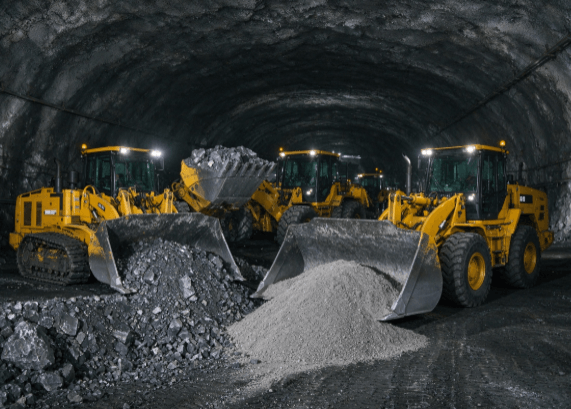
WJ-1 vs WJ-2 cycle matching after access screening
Once unsuitable envelopes are excluded, compare the remaining models under the same material and route assumptions. Use actual bucket mass where available. A larger rated bucket does not establish the same proportional increase in each working load.
Keep the cycle boundaries consistent: loading, loaded travel, discharge and return. Add delays separately so the source of lost time remains visible. Different traffic or pile conditions can otherwise make a model comparison misleading.
The discharge interface can decide the result. A suitable carrying capacity is of little use if the bucket cannot release material into the selected receiver. Use working drawings to check the opening, lip height and approach space together.
Before comparing output claims, establish:
1. A usable working envelope throughout the route.
2. A realistic load based on material and bucket behavior.
3. A workable discharge interface.
4. A power arrangement suited to the planned work area.
5. Comparable cycle and delay assumptions.
Use the underground LHD specification guide for the remaining technical review. Braking, tire suitability and grade performance still need model-specific evidence. A common 4WD label does not make these requirements identical.
For a useful shortlist, state which constraint each model satisfies and which remains unresolved. “Fits the drift but misses the discharge interface” is more informative than “smaller model.” That makes the remaining engineering review focused and practical.
FAQ
Does the “1” in WJ-1 mean a one-tonne payload?
No. The reviewed WJ-1 scraper listing states a 2,000 kg rated load. Check the specification rather than interpreting the model code as capacity.
Are WJ-1 and WJD-1 interchangeable because their dimensions match?
No. Their power arrangements differ, and the listed dimensions do not resolve every operating clearance. Cable routing is an additional WJD-1 requirement.
Is the WJ-2 simply a WJ-1 with a bigger bucket?
No. Its machine weight, dimensions and turning figures also differ. Compare it as a different machine configuration.