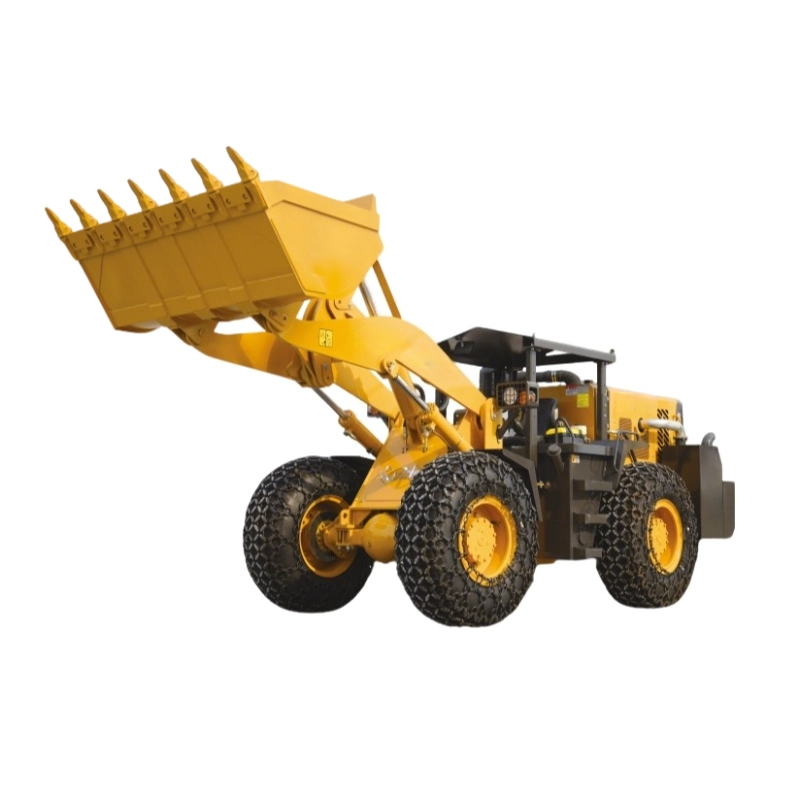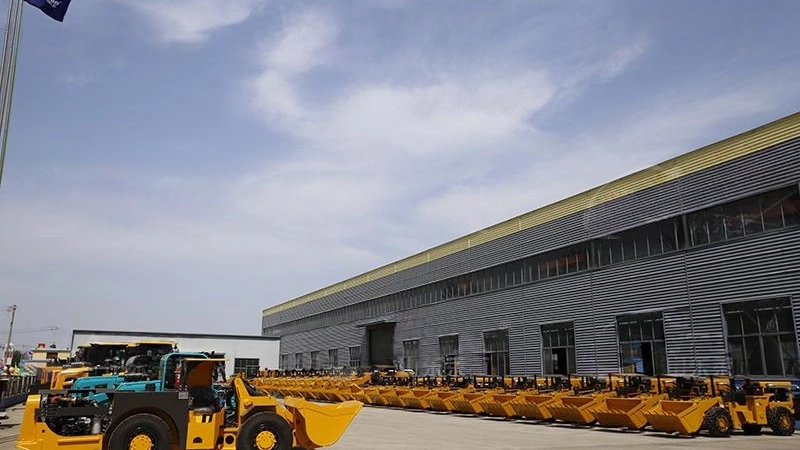
The WJ-2 is a 4 ton underground scraper with a published 2 m³ bucket and a 1,810 mm overall width. Its listed unloading height is 1,785 mm, making the receiving interface an important early check. Confirm that it can both reach the working area and discharge into the intended truck or hopper.
The four-tonne rating describes carrying capacity within the stated configuration. It does not establish output per shift or compatibility with every receiving vehicle. Those depend on the material, route and complete loading cycle.
What are the published WJ-2 specifications?
The WJ-2 product listing supplies the following reference data. Use the figures to screen the application, then tie the final purchase to a drawing and technical schedule.
| Parameter | Listed value | Point requiring application review |
| Rated load | 4,000 kg | Working payload for actual material |
| Bucket volume | 2 m³ | Density and filling behavior |
| Machine weight | 13,000 kg | Transport and ground conditions |
| Overall dimensions | 7,309 × 1,810 × 2,038 mm | Complete access and working envelope |
| Inner / outer turning radius | 2,800 / 5,300 mm | Measurement basis and swept path |
| Maximum unloading height | 1,785 mm | Receiving body or hopper interface |
| Ground clearance | 248 mm | Road profile and local obstacles |
| Tires | 12.00-24 | Duty-specific tire suitability |
The page describes an internal-combustion configuration but does not resolve every engine detail needed for an order. Record the exact engine, cooling and exhaust arrangement being offered. Another WJ-series machine’s engine data should not fill those gaps.
The listed wet-brake system also needs a configuration-specific description. Identify the service, parking and emergency arrangements and the required performance evidence. The system type alone does not establish suitability for a loaded ramp.
The published 25° climbing figure is not a recommendation for continuous loaded travel on that slope. Route assessment needs the actual grade, surface, operating mass and braking duty. Keep those conditions explicit in the application brief.
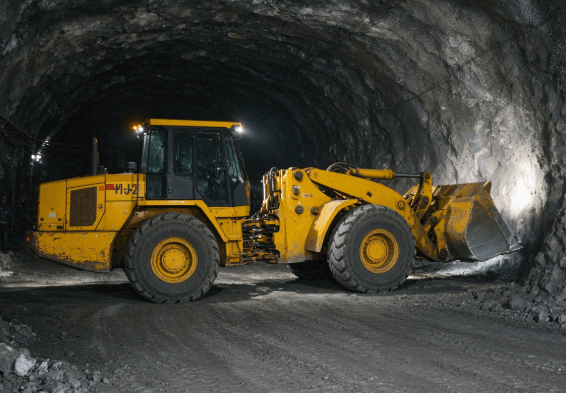
WJ-2 dimensions at crosscuts and discharge points
Check the restrictive working movement before checking a straight tunnel entrance. A bucket corner or rear frame can need more room during articulation than the tires suggest. The relevant drawing should show the complete swept envelope.
The stated inner and outer turning radii use specific measurement references. Confirm those references before overlaying the machine on a mine plan. A radius value alone is insufficient to define wall clearance around an irregular crosscut.
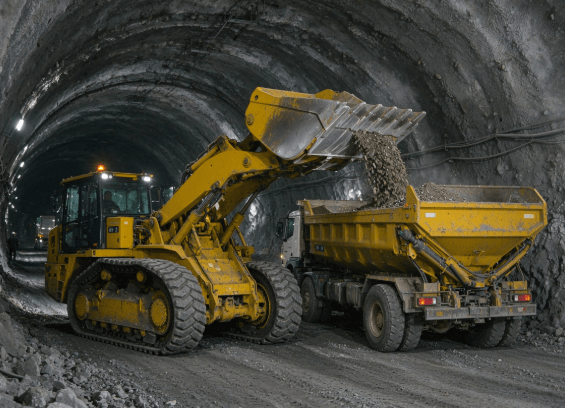
For the discharge point, ask where the 1,785 mm unloading height is measured. Compare bucket lip movement, dumping angle and reach with the receiving opening. A receiver at the same nominal height cannot be assumed to provide useful clearance.
Include the material fall path in the check. The bucket may clear the edge while still releasing material outside the intended area. Receiver position and approach angle therefore belong in the same review.
A site drawing should show:
- Operating width and height with the supplied protective equipment.
- Bucket and rear-frame movement through turns.
- Roof services and floor irregularities along the route.
- Hopper or truck position throughout discharge.
- Service access and the intended recovery arrangement.
The 248 mm listed ground clearance is relevant to road-profile screening. Local ridges, ruts and obstacles still need assessment against the configured machine. One nominal clearance does not describe every point beneath the vehicle.
Four-tonne loading applications and realistic bucket use
The WJ-2 can enter a shortlist where the route accommodates its size and the task needs more payload than smaller scraper classes. The expected gain should come from useful loaded cycles. A larger bucket that fills poorly may deliver less benefit than its nominal volume suggests.
For an illustrative density of 2.0 t/m³, two cubic metres corresponds to four tonnes before filling variation. Denser material can reach rated payload with less volume. Coarse fragments can leave unused spaces despite a suitable average density.
Provide representative bulk density, typical and maximum fragment size, moisture condition and loading method. These inputs help assess bucket suitability without assigning a generic value to “ore.” Establish practical loads using a method appropriate to the site.
For underground diesel operation, involve the ventilation team while defining the configuration. NIOSH’s diesel exposure guide explains why engine maintenance, exposure control and ventilation need coordinated attention. The machine’s physical fit does not resolve those requirements.
The loading arrangement also needs a traffic review. WorkSafe Western Australia’s traffic-management bulletin addresses visibility and vehicle interaction. Apply those topics to the loading and discharge locations under the mine’s applicable requirements.
How to make a WJ-2 quotation reviewable
Build the RFQ around the interfaces that determine acceptance. Supply route dimensions, receiver geometry, material data, grades and shift pattern. State any required documentation and identify the destination and mine application.
The supplier’s response should separate confirmed equipment from proposed options. Bucket, tires, engine, brakes and protective structures need identifiable descriptions. Optional chains should include tire compatibility and clearance information where they are proposed.
Request an acceptance package covering:
1. The named configuration and machine identification.
2. Operating and transport drawings with measurement references.
3. Bucket identity and applicable load information.
4. Engine and drivetrain documentation.
5. Manuals, parts catalogue and initial service requirements.
6. Relevant certificates and an agreed inspection scope.
The product page uses a mine-safety certification description. Obtain the actual certificate, including model scope and issuing body. Its applicability must match the equipment and destination rather than rely on a general catalogue statement.
Before inspection, agree how dimensions, controls and functional requirements will be checked. Loaded testing needs a suitable procedure and competent supervision. Record deviations against the technical schedule so their resolution is clear.
Service arrangements belong in the same order review. Confirm which maintenance documents, starter parts and commissioning assistance are included. Keep warranty scope and delivery commitments specific to the quoted configuration.
If the discharge interface or working envelope remains unsuitable, compare alternatives in the underground LHD range.
FAQ
Can the WJ-2 load any truck accepting four tonnes?
No. Payload compatibility does not establish discharge clearance. Truck-body height, opening, positioning and the bucket’s working geometry also need to match.
Which engine should be specified in the order?
Use the exact engine confirmed for the offered WJ-2. Include its service, cooling and relevant emissions documentation with the configuration schedule.
Does the 2 m³ bucket always carry four tonnes?
No. Actual mass depends on material and filling. Dense material can reach the payload limit before the bucket reaches its nominal volume.