Selecting the correct wheel loader size is a critical technical decision that dictates the operational efficiency, fuel consumption, and safety of a project. In heavy equipment engineering, “size” is not merely a physical dimension but a configuration of operating weight, tipping load, and breakout force.
When a loader is undersized, it faces mechanical strain and increased cycle times; when oversized, it leads to unnecessary capital expenditure and excessive fuel burn. Understanding the nuances between compact, medium, and large classifications allows fleet managers and contractors to optimize their ROI across various applications.
Defining Wheel Loader Size: Key Technical Metrics
Before categorizing loaders, it is essential to understand the engineering metrics used to define their “size.” In the industry, we primarily look at three data points:
- Operating Weight: The total weight of the machine including fluids, a standard bucket, and an average-sized operator. This determines the machine’s stability and ground pressure.
- Bucket Capacity: Measured in cubic yards (
yd3yd3) or cubic meters (m3m3), this indicates the volume of material the loader can move in a single pass. - Net Power (Horsepower): The engine output available to drive the hydraulic systems and drivetrain.
Compact and Mini Wheel Loaders (Under 100 hp)
Compact wheel loaders, often referred to as mini loaders, are the precision instruments of the construction world. These machines typically feature an operating weight under 18,000 lbs and are designed for environments where maneuverability is prioritized over raw bulk-handling power.
Typical Specifications:
- Operating Weight: 4,000 – 18,000 lbs
- Bucket Capacity: 0.5 – 2.5
yd3yd3 - Horsepower: 40 – 90 hp
Primary Applications:
- Landscaping and Nursery Work: Their articulated steering allows them to navigate around finished surfaces without the ground disturbance caused by skid steers.
- Urban Construction: Ideal for utility repairs in narrow alleys or residential streets where a full-sized loader would block traffic.
- Snow Removal: Often equipped with snow pushers or blowers for clearing parking lots and sidewalks.
Engineers often recommend compact models for sites requiring frequent attachment changes, such as pallet forks or grapples, due to their versatile hydraulic flow configurations.
Small to Medium Wheel Loaders (100 – 250 hp)
This category represents the “utility” class and is the most common size found on general construction sites. These machines balance high breakout force with a footprint that is still transportable via standard trailers without requiring specialized heavy-haul permits in many jurisdictions.
Typical Specifications:
- Operating Weight: 18,000 – 45,000 lbs
- Bucket Capacity: 2.5 – 5.0
yd3yd3 - Horsepower: 100 – 250 hp
Primary Applications:
- Material Handling: Moving stockpiles of sand, gravel, or mulch in supply yards.
- General Excavation: Backfilling trenches and loading medium-duty dump trucks (typically 10-wheelers).
- Waste Management: Used in transfer stations for sorting and loading refuse into compactors.
For professional fleet managers, the medium loader is the “sweet spot” for fuel efficiency. Modern units in this range, such as those found in professional loader lineups, utilize load-sensing hydraulics to ensure power is only delivered when the load demands it, reducing parasitic engine loss.
Large Wheel Loaders (250 hp and Above)
Large wheel loaders are engineered for high-production environments where the machine’s primary goal is to minimize the number of passes required to fill a haul truck. These are the engines of the infrastructure and extraction industries.
Typical Specifications:
- Operating Weight: 45,000 – 200,000+ lbs
- Bucket Capacity: 5.0 – 25.0+
yd3yd3 - Horsepower: 250 – 1,000+ hp
Primary Applications:
- Quarrying and Mining: Loading shot rock into articulated haulers or rigid-frame mining trucks.
- Large-Scale Infrastructure: Building highways and dams where massive earthmoving is required.
- Industrial Port Loading: Moving bulk commodities like coal or iron ore from stockpiles to shipping vessels.
In these sizes, the “Hinge Pin Height” becomes a critical spec. A loader must be sized not just by how much it can lift, but by whether it can clear the sideboards of the largest truck on the job site.
Wheel Loader Size Comparison Table
| Loader Class | Operating Weight (lbs) | Bucket Capacity (yd3yd3) | Best For |
| Mini/Compact | 4,000 – 15,000 | 0.5 – 1.5 | Landscaping, Small Farms, Tight Spaces |
| Small | 15,000 – 30,000 | 1.5 – 3.0 | Site Prep, Utility Work, Material Yards |
| Medium | 30,000 – 60,000 | 3.0 – 6.0 | Road Building, Heavy Construction |
| Large | 60,000 – 150,000+ | 6.0 – 25.0 | Mining, Quarrying, Mass Earthmoving |
Technical Considerations for Proper Sizing
When evaluating wheel loader sizes, industry experts look beyond the spec sheet to “Real-World Performance Factors.”
Tipping Load vs. Rated Operating Capacity
The Full Turn Tipping Load is the weight at which the loader’s rear wheels leave the ground while the machine is at a full articulated turn. For safety and stability, ISO standards typically recommend that the actual operating load does not exceed 50% of the tipping load.
Breakout Force
This is the maximum upward force the machine can exert at the bucket’s cutting edge. If you are working with compacted clay or virgin soil, a machine with high breakout force—regardless of its physical size—is mandatory.
Site Constraints
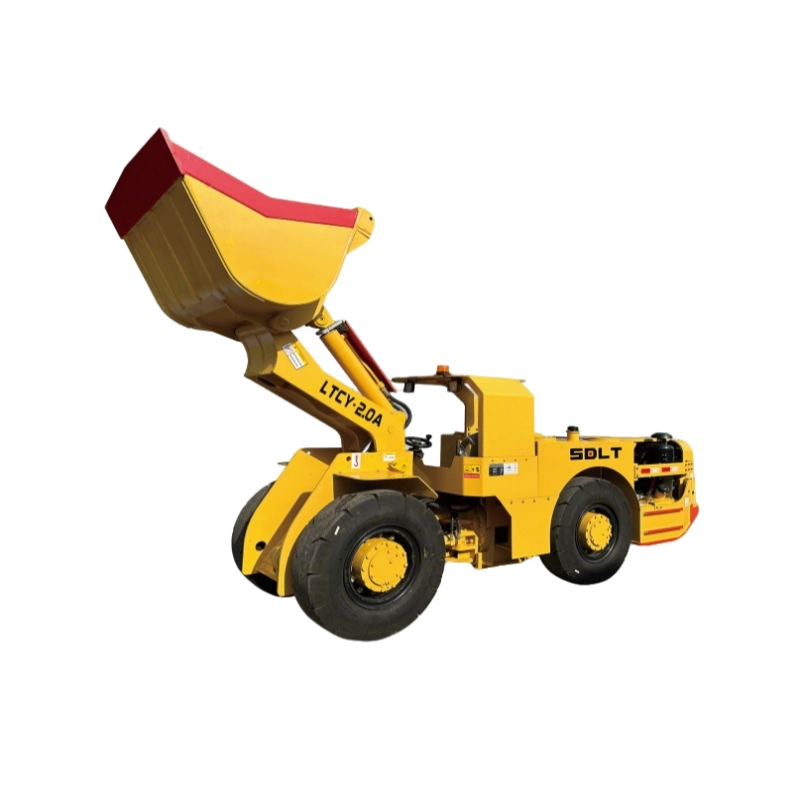
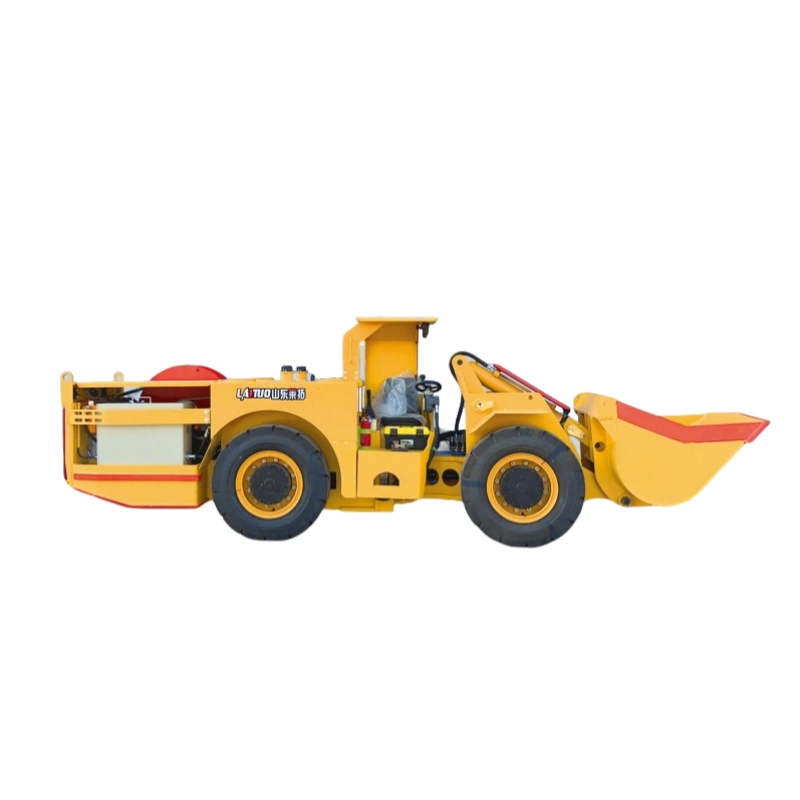
A large loader might be efficient on paper, but if the site has bridge weight limits, narrow access gates, or low-hanging power lines, a smaller machine or a specialized underground loader configuration may be required.
Selecting Your Machine
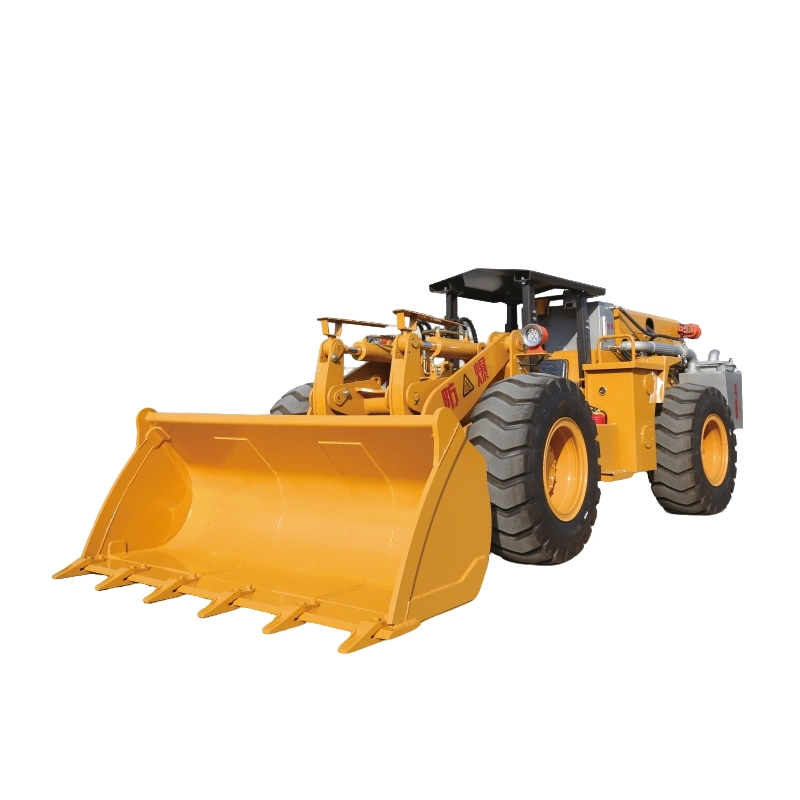
The goal of selecting a wheel loader is to match the machine’s capacity to the site’s most frequent task. For versatile operations, manufacturers now offer a range of specialized wheel loaders that bridge the gap between classes, providing high horsepower in compact frames or extended-reach arms for medium-sized units.
By analyzing the material density and the hauling equipment already in place, you can select a size that ensures maximum uptime and minimum cost per ton moved.
FAQ
What is the most versatile wheel loader size?
The medium wheel loader (3.0 to 5.0 yd3yd3 bucket capacity) is generally considered the most versatile. It is large enough for heavy production but small enough to be transported easily and used in a wide variety of construction and industrial settings.
How do I choose a bucket size based on material weight?
You must calculate the material density. For example, dry sand is lighter than wet gravel. A loader might be able to handle a 5-yard bucket of mulch but only a 3-yard bucket of wet clay. Always size the bucket so the total weight (material + bucket) does not exceed the machine’s Rated Operating Capacity (ROC).
Is horsepower the best way to compare wheel loader sizes?
No. While horsepower is important, Operating Weight and Tipping Load are better indicators of what a machine can actually do. A high-horsepower engine in a lightweight frame will lose traction (spin its tires) before it can utilize all that power for heavy lifting.
What size loader do I need to load a standard dump truck?
To load a standard 10-12 yard dump truck, a small to medium loader with at least a 2.5 yd3yd3 bucket is usually required to ensure the hinge pin height can clear the truck’s sides and the job is completed in 4-5 passes.
Reference Sources
- Association of Equipment Manufacturers (AEM): Standard Classifications for Earthmoving Machinery.
- ISO 7131:2009: Earth-moving machinery — Loaders — Terminology and commercial specifications.
- SAE J818: Rated Operating Capacity for Wheel Loaders.