The versatility of a wheel loader is not defined by its engine displacement or its tipping load alone, but by the interface between the machine and the material. In modern earthmoving, mining, and material handling, the loader acts as a mobile power platform. The right attachment choice directly influences cycle times, fuel efficiency, and the overall Return on Investment (ROI) of the machine.
Understanding the mechanical and hydraulic requirements of various wheel loader attachments is critical for fleet managers and site engineers. Choosing an mismatched tool can lead to structural fatigue or hydraulic overheating. This guide breaks down the essential attachments that define modern job site efficiency.
The Engineering Behind the Interface: Couplers and Hydraulics
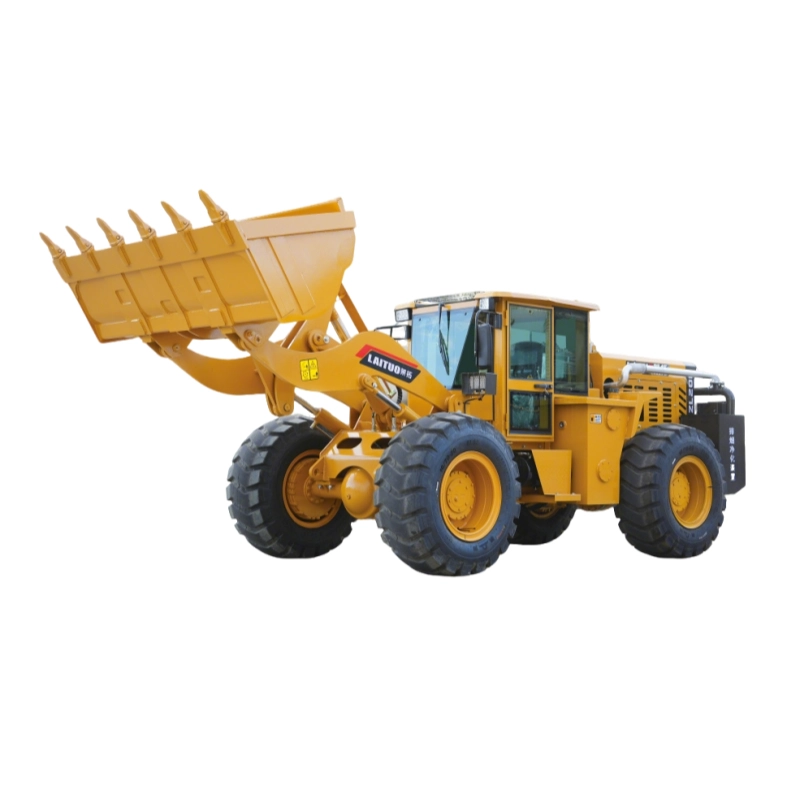
Before exploring specific tools, one must understand how attachments integrate with the loader’s primary systems. Most modern loaders, including those optimized for narrow-vein mining or tight construction sites, utilize a Quick Coupler system.
There are two primary standards: the “ISO” (International Organization for Standardization) interface and various manufacturer-specific wedge-style couplers. A hydraulic quick coupler allows the operator to switch from a bucket to pallet forks in seconds without leaving the cab. However, the efficiency of any attachment is governed by the loader’s auxiliary hydraulic flow (measured in liters or gallons per minute) and pressure (PSI/Bar). High-demand tools like cold planers or heavy-duty blowers require “high-flow” systems, whereas standard buckets rely primarily on the machine’s lift and tilt cylinder force.
Performance Buckets: Beyond General Purpose
The bucket is the most common attachment, yet using a “one-size-fits-all” approach often leads to wasted energy.
- General Purpose (GP) Buckets: Designed for stockpiling and bank loading. These typically feature a straight edge and are optimized for materials with a density of around 1,500 to 1,800 kg/m ³.
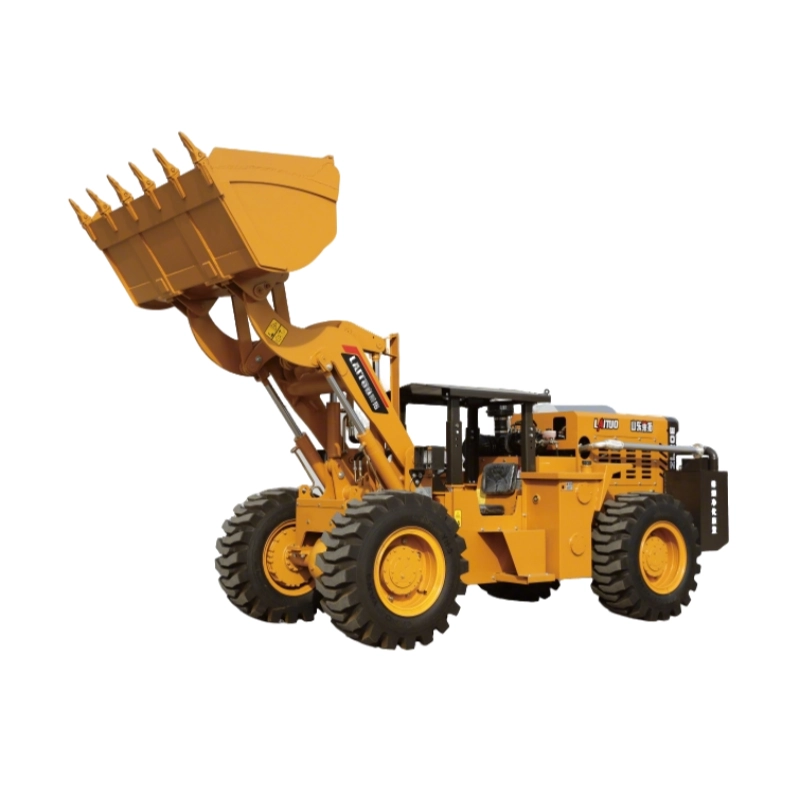
- Rock Buckets: Engineered for high-abrasion environments like quarries or underground mines. These are often equipped with spade-nose edges, reinforced floors, and Weld-on Segments (WOS) to protect the base edge.
- Light Material Buckets: These have a significantly higher volume capacity. They are used for snow, wood chips, or agricultural mulch—materials where the volume is high but the density is low.
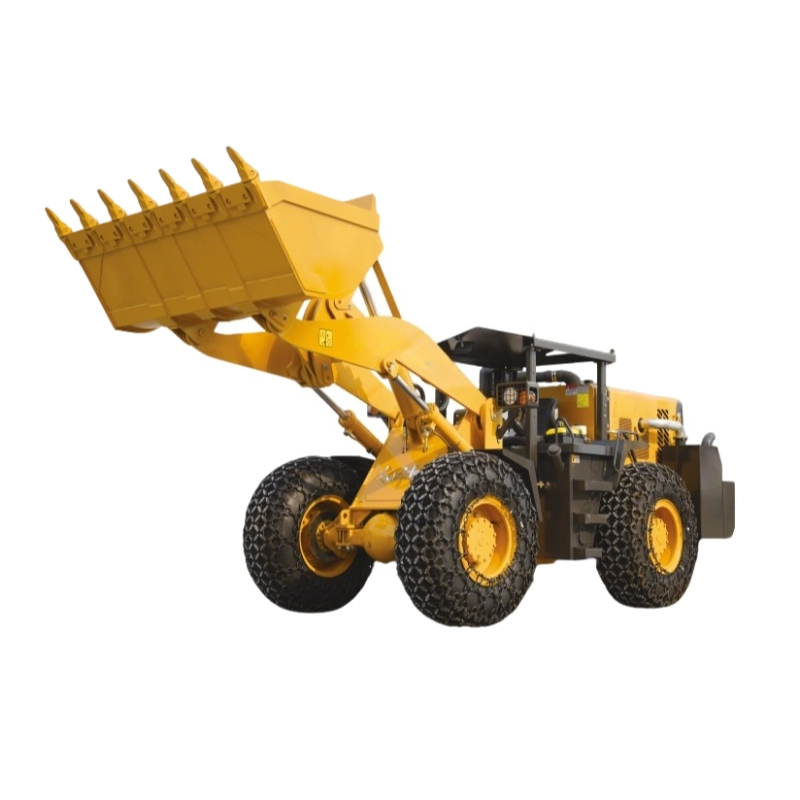
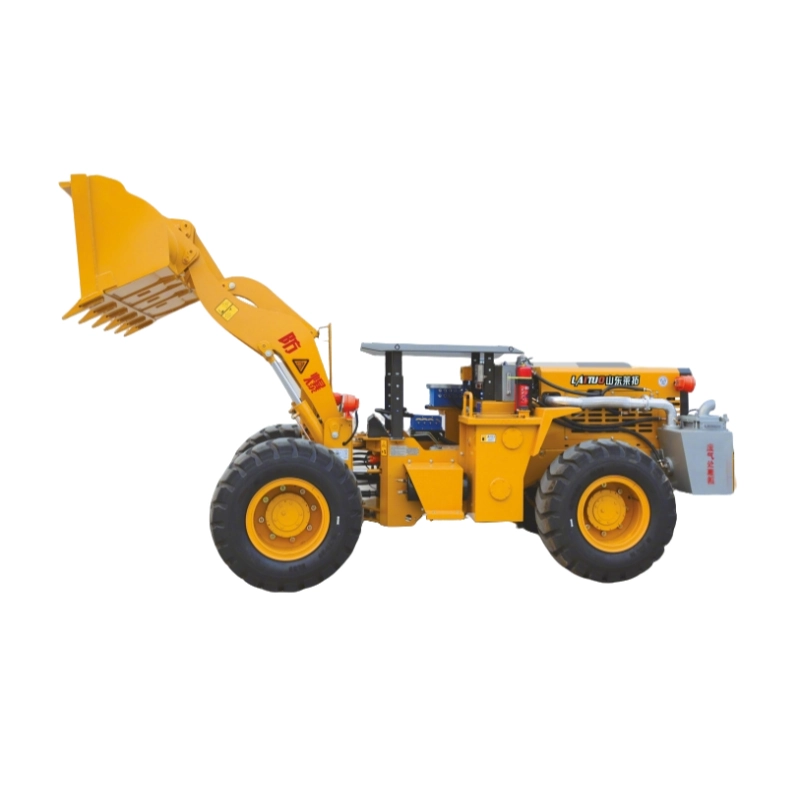
- Side-Dump Buckets: Specifically used in tunneling and narrow-vein mining. As seen in specialized mining wheel loader configurations, side-dump buckets allow the operator to discharge material to the side, eliminating the need for a 90-degree turn in confined spaces.
Pallet Forks and Log Grapples
Transforming a loader into a lift truck is common in industrial yards and forestry.
Pallet Forks are rated by their load center and tine length. When selecting forks, engineers must consider the “Operating Capacity” of the loader, which is typically 50% of the Full Turn Tipping Load (FTTL). Overloading forks doesn’t just risk the attachment; it shifts the center of gravity forward, potentially compromising the loader’s rear-axle stability.
Log Grapples feature top clamps that secure uneven loads. In forestry applications, these attachments require specialized hydraulic guarding to protect hoses from “brush-whip” and debris.
Material Handling Arms and Jibs
Often overlooked, the material handling arm (or crane jib) turns a wheel loader into a mobile crane. These are essential for placing pipe, moving concrete jersey barriers, or positioning heavy site equipment.
Technical Tip: When using a material handling arm, the loader’s lift capacity decreases as the arm extends. Operators must refer to the specific “Load Chart” provided by the attachment manufacturer to prevent tipping.
Specialized Snow and Surface Maintenance Tools
In northern climates, wheel loaders are the primary tool for snow management.
- Snow Pushers: Unlike standard plows, pushers have closed ends that “box in” the snow, preventing windrows (trails of snow) from leaking out the sides.
- Angle Brooms: Used for site cleanup and removing fine debris from asphalt. These rely heavily on the loader’s auxiliary hydraulic motor to maintain high RPMs under load.
Attachment Selection Matrix by Material Density
| Material Type | Recommended Attachment | Key Technical Feature |
| Shot Rock / Granite | Rock Bucket (Spade Nose) | Hardox 450/500 Steel Construction |
| Dry Sand / Gravel | General Purpose Bucket | Bolt-on Cutting Edge (BOCE) |
| Wood Chips / Coal | Light Material Bucket | Increased Side-cutter Height |
| Concrete Pipes | Material Handling Arm | Adjustable Lift Points |
| Palletized Goods | Pallet Forks | Adjustable Tine Width |
Technical Considerations for OEM Integration
When sourcing attachments for specialized equipment, such as the compact or mining-grade loaders found at mineloaders.com, compatibility extends beyond the hitch.
- Breakout Force: A bucket that is too deep will move the center of gravity too far forward, reducing the machine’s breakout force (the curling force of the bucket).
- Tipping Load: Always ensure the combined weight of the attachment and the maximum intended load does not exceed the loader’s rated operating capacity.
- Hydraulic Duty Cycle: For continuous-rotation tools (like brooms), ensure the loader’s cooling system can handle the constant hydraulic demand without oil degradation.
Summary of Best Practices
Professional operators treat attachments as precision tools. To maintain long-term machine health, ensure that:
- Grease points on the attachment (especially pivot pins on grapples) are serviced daily.
- Hydraulic couplers are cleaned before connection to prevent contamination of the main hydraulic pump.
- The loader’s Electronic Control Unit (ECU) is programmed for the specific attachment if it requires a “constant flow” setting.
FAQ
Q: Can I use a skid steer attachment on a small wheel loader?
A: Many compact wheel loaders use a “Universal Skid Steer Hitch.” However, while they may physical fit, you must verify that the wheel loader’s hydraulic pressure does not exceed the attachment’s rated PSI, as wheel loaders often operate at higher pressures than standard skid steers.
Q: What is the benefit of a Bolt-on Cutting Edge (BOCE)?
A: A BOCE protects the permanent base edge of the bucket. It is a “wear part” that can be flipped or replaced easily, significantly extending the life of the bucket carcass and reducing long-term maintenance costs.
Q: How do I know if my loader needs a high-flow hydraulic kit?
A: This depends on the attachment. Standard buckets and forks do not need high flow. Powered tools like cold planers, heavy-duty snow blowers, or large flail mowers typically require the extra GPM/LPM provided by a high-flow system.
Q: Why are spade-nose buckets preferred in mining?
A: The pointed “spade” shape allows for better penetration into tightly packed rock piles. It focuses the machine’s entire breakout force on a smaller surface area, making it easier to fill the bucket in tough conditions.
Reference Sources
- ISO 23727: Earth-moving machinery — Wheel loader coupler standards.
- SAE J732: Standard Specifications for Performance of Loader Buckets.
- Association of Equipment Manufacturers (AEM): Best practices for safe attachment operation.