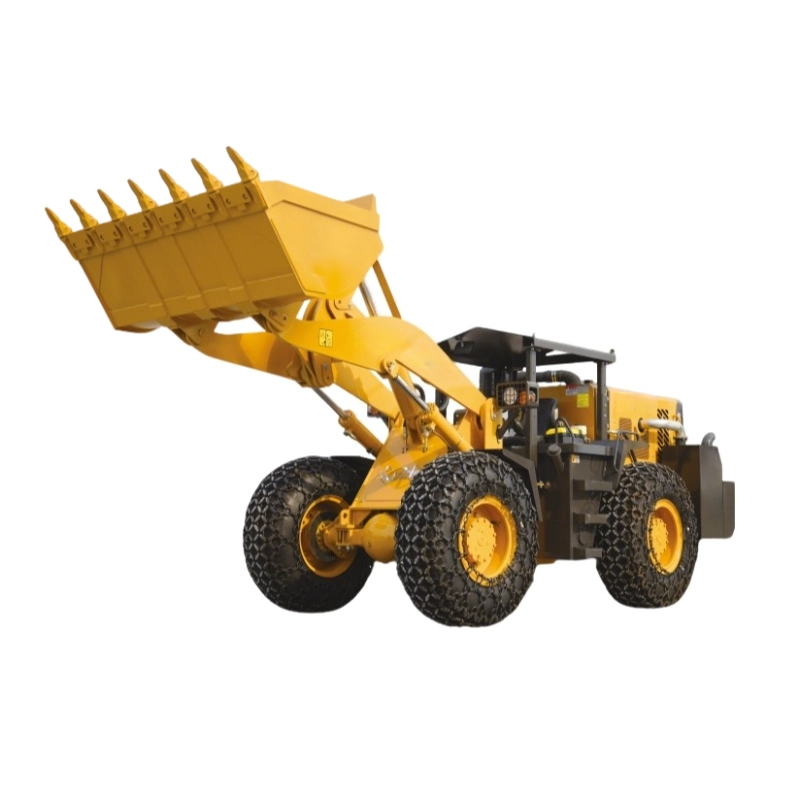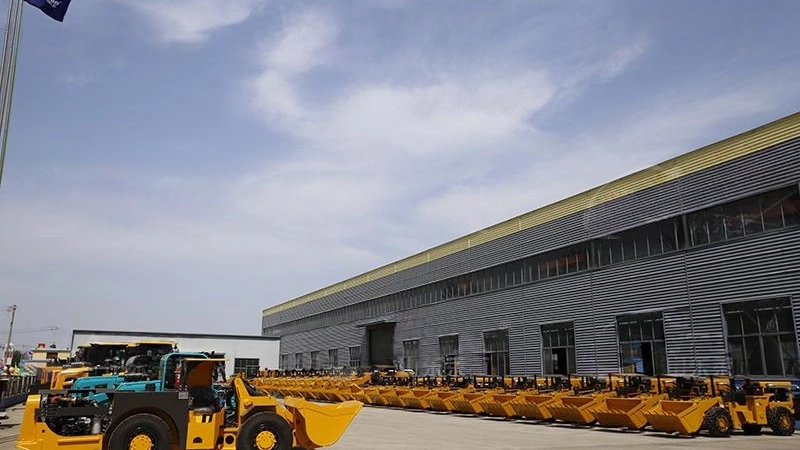
The WJD-1 electric underground scraper uses a motor and adjustable cable take-up system, according to its product description. Its suitability depends on the machine route and cable route working together. A two-tonne payload and compact body do not establish a usable distance from the power supply.
Assess this listing as a cable-electric configuration. The reviewed page does not provide a battery system or charging specification. It also leaves electrical supply and cable details to be confirmed for the offered machine.
How does the WJD-1 cable system shape the work area?
A trailing cable supplies the moving machine, while the take-up arrangement manages cable movement. The cable follows its own path around corners and obstacles. That path can become restrictive before the machine reaches its mechanical operating limit.
The WJD-1 product description mentions adjustable cable tension. It does not publish the complete voltage, motor, conductor or reel schedule. Those details need to come from the exact configuration rather than another electric loader.
| Assessment item | Information needed | Why it affects application fit |
| Supply interface | Voltage, frequency, phase and connection details | Establishes electrical compatibility |
| Motor and starting | Rated data and starting characteristics | Influences supply and protection assessment |
| Cable | Type, length, conductor and construction details | Affects electrical and mechanical suitability |
| Take-up system | Routing, approved tension range and reel instructions | Influences movement and cable condition |
| Protection | Supplier drawings and mine electrical requirements | Defines an engineered installation |
| Work route | Corners, crossings and supply-point location | Determines the usable operating area |
A useful schedule connects supply conditions with the selected cable and reel. Epiroc’s EST2D technical specification provides an example of that documentation structure. Its electrical values are specific to the EST2D and must not be assigned to the WJD-1.
Reel capacity is not an approved operating radius. Routing, reserve, winding conditions and the electrical design affect usable reach. A longer cable may also change the integration requirements rather than simply extend the same installation.
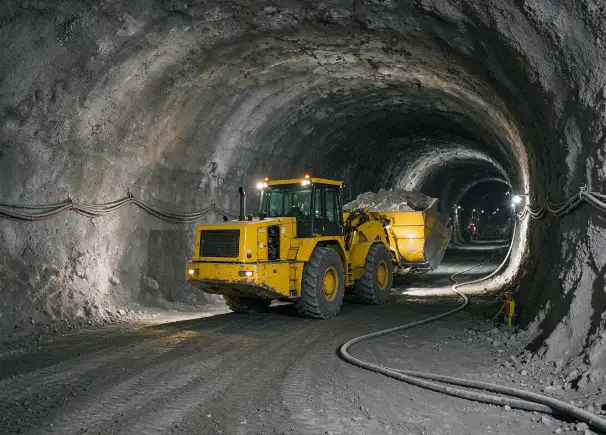
Cable-electric applications in a fixed loading area
Repeated movement between stable loading and discharge points can make the cable arrangement more predictable. Show both points and their expected movement as production advances. A layout that works at commissioning may become restrictive later.
Map corners, crossing traffic, wet areas, debris and potential trapping points. Include locations where the machine stops or reverses. A straight-line measurement between the supply and face misses many of these interactions.
Consider a loading route that crosses a truck lane. Extra cable length does not resolve that crossing. The layout or traffic arrangement needs an engineered solution before the route can be considered workable.
The UK’s Electrical safety in mines discusses system planning and prevention of trailing-cable damage. Use it as technical context within its stated scope. The mine’s applicable requirements and competent electrical review govern the actual installation.
The application review should answer:
- Where will the cable run during each part of the cycle?
- How will it interact with other vehicles and fixed services?
- Where can the machine stop without obstructing cable access?
- How will the supply arrangement change as the working area moves?
- How will maintenance and recovery be accommodated?
Frequent relocation between separated faces can change the comparison with a freely mobile machine. Include relocation and reconnection arrangements in the duty description. Otherwise, the production estimate may omit a recurring interruption.
WJD-1 operating requirements beyond the electrical connection
The listing gives a 1 m³ bucket, 2,000 kg rated load and dimensions of 5,880 × 1,300 × 2,000 mm. The length is identified in the transport state. Check the configured working envelope, including cable components and bucket position, separately.
Bulk density still controls the relationship between bucket filling and payload. Electrification does not change that basic loading constraint. Representative material information belongs beside the route drawing.
Electric operation removes this machine’s diesel exhaust source during use, but it does not remove dust or all heat. Other equipment and production activities still affect ventilation. NIOSH’s diesel guide helps distinguish diesel-related exposure from the mine’s wider ventilation needs.
Cable condition also affects availability. Abrasion, repeated bending, tension and water exposure challenge different parts of the installation. Inspection methods and rejection criteria should match the approved cable and machine documentation.
Western Australia’s trailing and reeling cable guidance describes hazards associated with damaged mobile-equipment cables. It supports treating cable management as part of normal equipment operation. Its jurisdiction-specific requirements should not be presented as universal approval criteria.
Electrical maintenance and isolation need competent personnel and the mine’s approved procedures. A general comparison cannot specify cable size or protective settings. Those choices depend on the installation and equipment documentation.
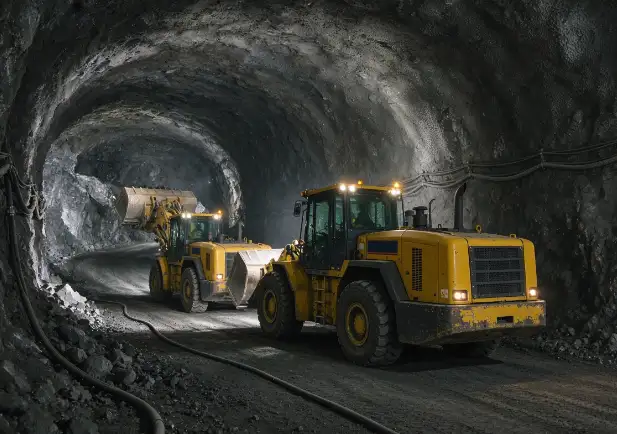
What must be resolved before comparing WJD-1 cycle output?
Start with a complete application definition rather than an assumed operating range. Record the loading and discharge locations, route changes and shift pattern. Then match the machine and electrical arrangement to that task.
Use the review to establish:
1. The exact motor, supply and connection requirements.
2. Cable type, length, construction and approved duty conditions.
3. Reel operation, routing and documented mechanical limits.
4. Protection and inspection requirements for the installation.
5. Traffic interaction and the planned operating boundary.
6. Maintenance access and responsibilities when the working area changes.
Check how the proposed cable behaves throughout loading, turning, travel and discharge. A clear route with the machine stationary is insufficient. The movement sequence must remain workable under the documented arrangement.
Where cable routing interrupts the cycle, include that interruption in the comparison. Nominal bucket capacity cannot compensate for an installation that repeatedly obstructs movement. The useful measure is material moved under the planned operating arrangement.
For wider powertrain tradeoffs, refer to the electric versus diesel underground LHD comparison. Keep the WJD-1 decision tied to its cable layout and documented electrical inputs. These can settle application fit before energy-cost comparisons become meaningful.
FAQ
What voltage does the WJD-1 use?
The reviewed product page does not specify a confirmed voltage. Obtain the electrical schedule for the exact offered configuration before evaluating the supply connection.
Can the machine work anywhere within the cable’s length?
No. Usable reach depends on routing, winding conditions, protection and operating boundaries. Cable length alone does not establish the working area.
Does a cable-electric loader remove ventilation needs?
No. It changes one diesel exhaust source, while dust, heat and other mine activities remain. Ventilation assessment must cover the complete operation.